Champasak’s Hidden Cultural Gems: Your 5-Day Itinerary Away From The Crowds
- Champasak’s Hidden Cultural Gems: Your 5-Day Itinerary Away From The Crowds
- Champasak hidden cultural gems: Day 1: Ancient Echoes and Riverside Charm
- Day 2: The Forgotten City and Local Crafts
- Day 3: Island Serenity and Coffee Culture
- Day 4: Bolaven Plateau’s Hidden Waterfalls and Ethnic Villages
- Day 5: Southernmost Temples and Mekong Views
- Champasak Cultural Gems vs. Popular Sites
- Frequently Asked Questions (FAQ)
Champasak hidden cultural gems: Tired of the usual tourist trails? Southern Laos, particularly the Champasak region, offers a profound cultural richness that often gets overlooked. Beyond the famous Wat Phou, lies a tapestry of ancient sites, vibrant local life, and serene landscapes waiting to be explored. This 5-day itinerary is designed to lead you to Champasak’s hidden cultural gems, ensuring an authentic and uncrowded experience. Prepare to immerse yourself in the heart of Laotian heritage, far from the bustling crowds, and discover the true spirit of this enchanting province.
This journey focuses on genuine cultural encounters, local traditions, and lesser-known historical sites. We’ll guide you through ancient ruins that whisper tales of forgotten kingdoms, introduce you to communities preserving unique crafts, and lead you to tranquil natural spots that offer moments of quiet contemplation. Get ready for an adventure that connects you deeply with the soul of Champasak.
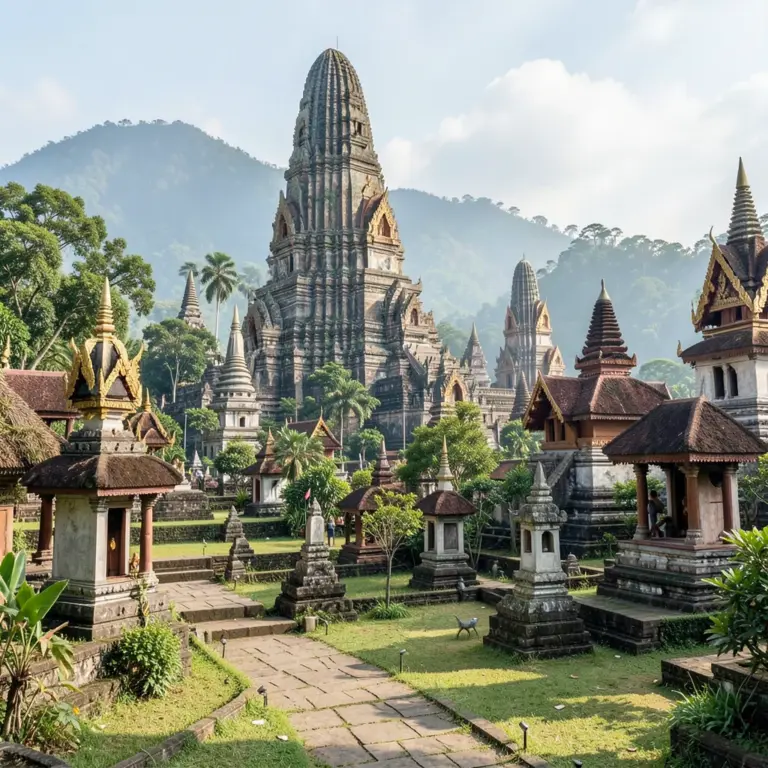
Begin your exploration by venturing to the iconic Wat Phou, a UNESCO World Heritage site. While popular, arriving early in the morning allows for a more serene experience. Explore the pre-Angkorian temple complex, marvel at its Khmer architecture, and hike up to the upper sanctuary for breathtaking views of the surrounding landscape. After soaking in the history, head to Champasak town itself. Wander through its quiet streets, admire the blend of French colonial and traditional Lao architecture, and enjoy a peaceful afternoon by the Mekong River. Consider visiting the local market to witness daily life unfold and perhaps sample some local snacks. For dinner, find a riverside eatery to savor Laotian cuisine as the sun sets, casting a golden glow over the water.
Day 2: The Forgotten City and Local Crafts
Today, we delve deeper into Champasak’s past by visiting the lesser-known Oudomxay Archaeological Site, often referred to as the ‘Forgotten City’. This site predates Wat Phou and offers a glimpse into an even older civilization. The ruins are less preserved but offer a more raw and adventurous exploration. Imagine uncovering history amidst overgrown vegetation. In the afternoon, engage with local artisans. Visit a traditional silk weaving village, such as Ban Saphai, where you can observe the intricate process of creating beautiful textiles and perhaps purchase a unique souvenir directly from the weavers. Learning about their techniques and the cultural significance of the patterns adds a layer of appreciation to your purchase. This hands-on experience connects you directly with the living culture of Champasak.
Day 3: Island Serenity and Coffee Culture
Escape to the tranquil Don Daeng Island, located just a short boat ride from Champasak town. This island offers a slower pace of life and a chance to experience rural Laotian village life. Rent a bicycle and cycle through rice paddies, past local homes, and discover small, unvisited temples. The island is known for its serene atmosphere and friendly locals. In the afternoon, explore the region’s burgeoning coffee culture. While not as famous as the Bolaven Plateau, Champasak province has its own coffee plantations. Visit a local coffee shop or a small plantation if accessible, to learn about the coffee-making process and enjoy a freshly brewed cup. This provides a different perspective on the region’s agricultural heritage.
Day 4: Bolaven Plateau’s Hidden Waterfalls and Ethnic Villages
Embark on a day trip to the southern edge of the Bolaven Plateau, focusing on its less-visited waterfalls and ethnic minority villages. While Tad Fane and Tad Yuang are well-known, seek out gems like Tad Champee or Tad Sae Noi, which offer stunning beauty with fewer crowds. These smaller waterfalls often have natural pools perfect for a refreshing dip. Combine this with a visit to a Katu or Alak village. These ethnic groups have distinct traditions, languages, and ways of life. Engage respectfully, perhaps by visiting a local market or understanding their agricultural practices. Remember to dress modestly and be mindful of local customs. This day is about appreciating the diverse ethnic tapestry and natural beauty of the region.
Day 5: Southernmost Temples and Mekong Views
On your final day, head south towards the Cambodian border to explore more ancient temple ruins. Visit the Pre-Angkorian ruins of Wat Tomo and the nearby Ph Oum Moung temple. These sites are often overlooked but provide significant historical insights and a sense of discovery. The journey itself offers scenic views of the Mekong River and the surrounding countryside. Conclude your trip with a final, leisurely stroll along the Mekong, reflecting on the cultural treasures you’ve uncovered. Consider a sunset boat trip for one last perspective of the Champasak landscape. This itinerary aims to provide a deep dive into the cultural heart of Champasak, away from the typical tourist circuit.
Planning Your Uncrowded Adventure
To make the most of this itinerary, consider the best time to visit. The dry season (November to April) generally offers pleasant weather, though it can be warmer towards April. Hiring a local guide can significantly enhance your understanding of the historical sites and cultural nuances. Accommodation options range from simple guesthouses in Champasak town to more secluded bungalows on islands like Don Daeng. Transportation within the region can be arranged via tuk-tuks, motorbikes, or by hiring a car with a driver for longer excursions to the Bolaven Plateau.
Champasak Cultural Gems vs. Popular Sites
While Wat Phou is a must-see, this itinerary prioritizes sites that offer a more intimate and less crowded experience, allowing for deeper cultural immersion. The focus is on understanding the layers of history beyond the most famous landmarks and connecting with the local communities.
| Feature | Hidden Gems (This Itinerary) | Popular Sites (e.g., Main Wat Phou Area) |
|---|---|---|
| Crowd Levels | Low to Moderate | High, especially during peak season |
| Authenticity | High; focus on local life and lesser-known ruins | Moderate; can feel commercialized |
| Historical Depth | Explores pre-Angkorian and forgotten sites | Focuses on the well-documented Khmer temple complex |
| Pace | Relaxed, immersive | Can be rushed due to visitor volume |
| Discovery Potential | High; opportunities for personal discovery | Lower; well-trodden paths |
Frequently Asked Questions (FAQ)
Q1: What is the best time of year to visit Champasak for cultural exploration?
A1: The dry season, from November to April, is generally ideal. However, shoulder months like November and February can offer pleasant weather with fewer tourists than December and January.
Q2: How do I get around Champasak and its surrounding areas?
A2: In Champasak town, cycling or walking is pleasant. For day trips to Wat Phou, nearby ruins, or the Bolaven Plateau, hiring a tuk-tuk, motorbike, or a car with a driver is recommended. Local boats are used to access islands like Don Daeng.
Q3: Are there opportunities to interact with local communities?
A3: Absolutely. Visiting local markets, craft villages (like Ban Saphai), and rural areas on islands like Don Daeng provides ample opportunities for respectful interaction and understanding local life.
Q4: What should I pack for this cultural itinerary?
A4: Pack light, breathable clothing out of respect for local customs (shoulders and knees covered when visiting temples). Comfortable walking shoes, a hat, sunscreen, insect repellent, and a reusable water bottle are essential. A small notebook to jot down observations can also be useful.
Q5: Is it necessary to hire a guide for the hidden cultural gems?
A5: While not strictly necessary for all sites, a local guide can significantly enrich your experience by providing historical context, cultural insights, and helping you navigate off-the-beaten-path locations. Hiring guides for specific sites like Oudomxay or ethnic villages is highly recommended.
References
UNESCO World Heritage Centre – Temple of Preah Vihear (Note: While this is for Preah Vihear, UNESCO lists Wat Phou as a similar heritage site in Laos).
UNESCO World Heritage Sites in Laos (General information on Lao heritage sites).