Exploring Laos’ Ethnic Diversity: A Complete Guide to the Country’s Hill Tribes
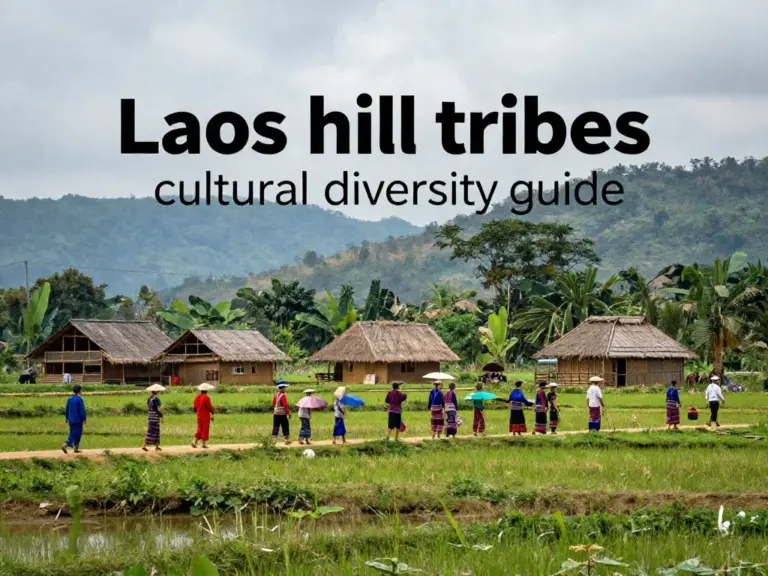
Laos is often described as the ‘hidden gem’ of Southeast Asia, not just for its stunning landscapes but for its profound cultural depth. When travelers begin exploring Laos’ ethnic diversity, they are stepping into a living museum of traditions, languages, and ancient customs. Home to nearly 50 distinct ethnic groups, the country offers a unique window into the lives of diverse hill tribes, each contributing to the vibrant tapestry that defines the Laotian identity.
Cultural Sensitivity Note
When visiting ethnic communities, always practice responsible tourism. Ask for permission before taking photographs, dress modestly, and respect local customs to ensure your visit is beneficial for both you and the host communities.
Understanding the Classification of Laos’ Ethnic Groups
The Laotian government traditionally classifies the country’s ethnic groups into three broad categories based on the altitude at which they traditionally live: the Lao Loum (Lowland Lao), the Lao Theung (Mid-slope Lao), and the Lao Soung (Highland Lao). This classification system, while simplified, provides a helpful framework for understanding how geography has shaped the cultural practices and livelihoods of these communities.
The Lao Loum: The Lowlanders
Making up the majority of the population, the Lao Loum primarily reside in the fertile valleys and along the Mekong River. They are predominantly Buddhist and are known for their intricate weaving, silk production, and vibrant festivals. Their lifestyle is deeply connected to wet-rice cultivation, which has historically influenced their social structure and community organization.
The Lao Theung: The Mid-slope Dwellers
The Lao Theung, often referred to as the ‘mid-slope’ tribes, include groups like the Khmu and Lamet. Historically, these groups were the earliest inhabitants of the region. They typically practice animism and have traditionally relied on swidden (slash-and-burn) agriculture. Their villages are often nestled in the lush, mountainous mid-sections of the country, offering travelers stunning views and authentic, off-the-beaten-path experiences.
The Lao Soung: The Highlanders
The Lao Soung, or ‘highland’ tribes, include the Hmong, Mien, and Akha. Living at the highest altitudes, these groups migrated to Laos from Southern China over the last few centuries. They are famous for their incredibly intricate silver jewelry, colorful embroidery, and distinct clothing styles. Their resilience and ability to thrive in harsh, high-altitude environments are a testament to their deep-rooted cultural heritage.
Top Destinations to Experience Ethnic Traditions
| Region | Key Ethnic Groups | Experience |
|---|---|---|
| Northern Laos (Phongsaly/Luang Namtha) | Akha, Hmong, Tai Dam | Trekking & Homestays |
| Central Laos (Xieng Khouang) | Hmong, Phuan | History & Handicrafts |
| Southern Laos (Champasak/Attapeu) | Laven, Katang | Coffee Culture & Weaving |
For those looking to immerse themselves in Laos’ ethnic diversity, Northern Laos is arguably the most accessible region. Provinces like Luang Namtha and Oudomxay offer community-based tourism initiatives where visitors can stay in local villages, learn about traditional farming practices, and witness firsthand how these hill tribes maintain their ancestral ways of life in a modernizing world.
Whether you are trekking through the misty mountains of Phongsaly or exploring the coffee plantations of the Bolaven Plateau, the diversity of the people you encounter will undoubtedly be the highlight of your trip. From the shamanistic rituals of the Akha to the melodic traditional music of the Khmu, every interaction offers a new perspective on the resilience of human culture.
คำถามที่พบบ่อย (FAQ)
Q: Is it safe to visit remote hill tribe villages in Laos?
A: Yes, it is generally safe. However, it is highly recommended to visit with a registered local guide, especially in remote areas, to navigate language barriers and ensure you are visiting communities that are open to tourism.
Q: What is the best time of year to visit these ethnic communities?
A: The dry season, from November to February, is ideal for trekking as the weather is cooler and trails are more accessible.
Q: Can I buy handicrafts directly from the tribes?
A: Absolutely. Purchasing directly from the artisans is the best way to support the local economy and preserve traditional crafts like weaving and silverwork.