Where to Find Authentic Or Lam: Regional Variations, Best Restaurants, and Street Food Spots
- Where to Find Authentic Or Lam: Regional Variations, Best Restaurants, and Street Food Spots
- Understanding Or Lam: The Cornerstone of Laotian Flavor
- The Quest for Authenticity: Regional Hotspots
- Best Restaurants and Street Food Spots for Or Lam
- Street Food Secrets: Eating Like a Local
- คำถามที่พบบ่อย (FAQ)
- Is Or Lam the same as Laap/Larb?
- Can I find vegetarian Or Lam in Laos?
- What is ‘sakhan’ wood and why is it important?
Welcome to the heart of Laotian gastronomy! For any serious culinary traveler venturing into Laos, mastering the art of finding Where to Find Authentic Or Lam is paramount. Or Lam (or Laap/Larb, depending on the region and preparation style) is arguably the national dish, a vibrant, herb-packed minced meat salad that defines the country’s flavor profile. It’s more than just food; it’s a cultural centerpiece. This guide will lead you through the nuances of this dish, from the subtle differences between Northern and Southern preparations to the exact street stalls serving the most unforgettable versions. Prepare your palate for an authentic Laotian adventure!
Understanding Or Lam: The Cornerstone of Laotian Flavor
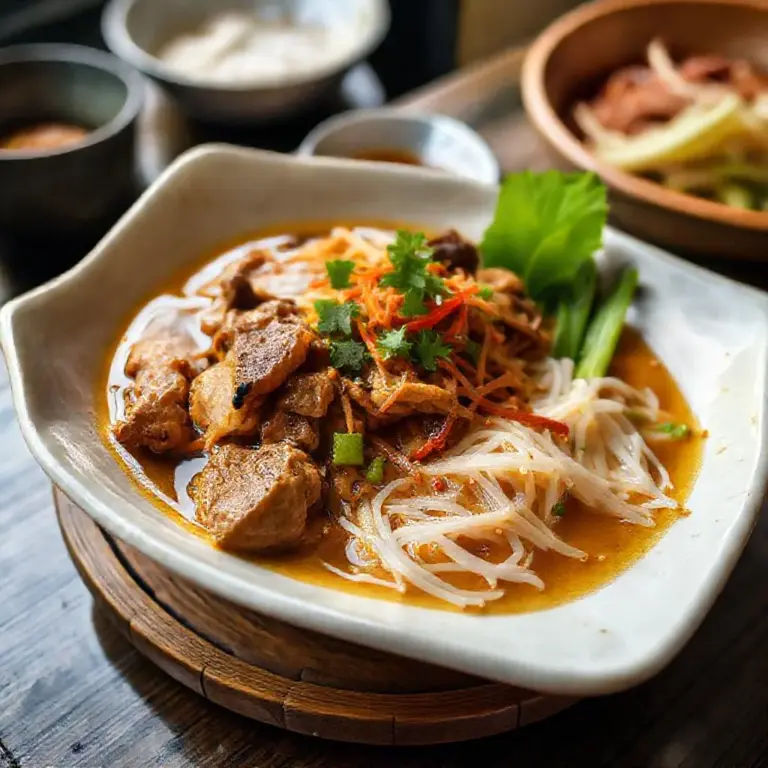
Or Lam, often confused with its more famous cousin, Laap (Larb), is a distinct dish, though both share roots in the celebration of fresh herbs and lime. While Laap is typically a drier, more uniform salad, Or Lam often incorporates more liquid, sometimes resembling a thick stew or a very wet salad, heavily reliant on the unique flavor of sakhan wood (or sometimes dill/celery) for its signature earthy aroma, particularly in the Luang Prabang style. To truly appreciate Where to Find Authentic Or Lam, you must first understand these regional divergences.
The Two Main Culinary Styles
The preparation of Or Lam shifts significantly as you travel the length of Laos:
- Luang Prabang Style (Or Lam Sai): This is perhaps the most famous variant. It is characterized by its heavy use of wild herbs, local chili, and, crucially, the inclusion of small pieces of eggplant and the distinctive flavor derived from the sakhan wood chips simmered in the broth. The texture is wetter and more complex.
- Vientiane/Central Style: While still utilizing similar herbs, the Vientiane version tends to be less focused on the smoky/earthy notes of sakhan wood and might lean more towards the traditional Laap consistency—drier, focusing on toasted rice powder, mint, and lime juice.
The Quest for Authenticity: Regional Hotspots
To answer the core question of Where to Find Authentic Or Lam, we must focus on the traditional epicenters of Laotian cooking, where recipes have been passed down through generations.
1. Luang Prabang: The Herbaceous Heartland
If you seek the definitive, herb-forward, sakhan-infused Or Lam, Luang Prabang is your destination. The cooler climate and proximity to traditional foraging grounds lend unique complexity to the dish here. Look for establishments near the night market or those favored by local families.
2. Vientiane: The Capital’s Culinary Melting Pot
In the capital, you will find a wider variety, often catering to both local tastes and influences from neighboring Thailand. While you can find excellent versions, they are often closer to a rich Laap than the classic Luang Prabang Or Lam. For the best experience, venture away from the main riverside tourist traps and explore the side streets near the morning markets.
3. Savannakhet & Pakse (Southern Laos)
Southern Laos often features bolder, spicier flavors, sometimes incorporating different types of dried chili or local river fish instead of meat. While Or Lam is present, the focus here shifts slightly towards other spicy salads and fermented preparations. Searching for local, family-run khao piak sen (noodle soup) shops often yields surprising, authentic Or Lam specials.
Best Restaurants and Street Food Spots for Or Lam
Finding a specific restaurant can be challenging as the best spots are often unmarked stalls. However, certain establishments have gained local acclaim for maintaining high standards of authenticity. Here are a few notable starting points:
| City | Venue Type | What to Expect |
|---|---|---|
| Luang Prabang | Local Eatery (Near Phousi Market) | Traditional preparation, often pork or water buffalo. |
| Vientiane | Tamnak Lao | A more refined, slightly modernized take, but high quality ingredients. |
| Luang Prabang | Street Stalls off Sisavangvong Road (Evening) | Excellent for cheap, quick, and surprisingly authentic versions. |
| Pakse | Local Morning Market Stalls | Spicier, often featuring local river fish variations. |
We have located a highly-rated spot in Luang Prabang known for its traditional approach to this dish:
To give you a visual sense of the preparation process, watch this demonstration of preparing a classic Laotian dish:
Street Food Secrets: Eating Like a Local
The true test of Where to Find Authentic Or Lam often lies away from established restaurants. Street food vendors, especially those catering primarily to Laotian office workers during lunch rushes, are often the gatekeepers of genuine flavor.
- Timing is Key: Many street vendors only prepare Or Lam in the morning or early afternoon, as it’s a hearty midday meal.
- Look for the Crowd: If a stall is busy with local patrons, especially older ones, you’ve hit the jackpot.
- Accompaniments Matter: Authentic Or Lam is always served with sticky rice (Khao Niao) and often a side of fresh, cooling vegetables to balance the heat and herbs.
Remember, authenticity is about the balance of fresh ingredients: mint, cilantro, lime, chili, and that essential earthy base. Don’t be afraid to ask vendors about their herbs!
คำถามที่พบบ่อย (FAQ)
References
For further culinary exploration of Laotian traditions, consult these resources: