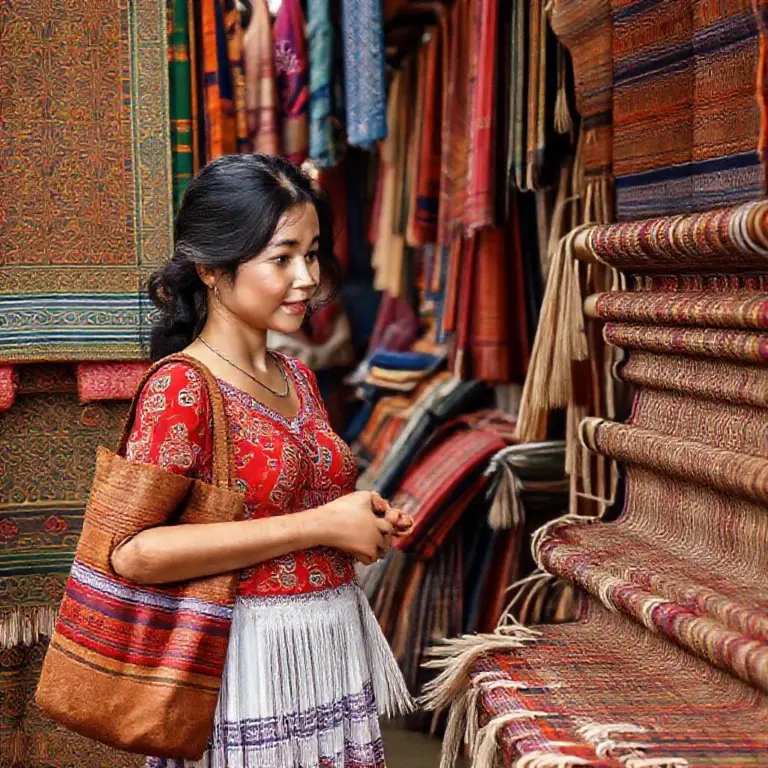
Shopping Smart: How to Choose Authentic Lao Textiles, Patterns, and Weaving Tips
Welcome, travelers! Laos is a treasure trove of artisanal craftsmanship, particularly renowned for its exquisite handwoven textiles. To truly appreciate and secure a genuine piece of Lao heritage, you need more than just an eye for color—you need knowledge. This guide will equip you with the expertise required for How to Choose Authentic Lao Textiles, ensuring your purchases support local artisans and last for generations. Authentic Lao textiles are more than fabric; they are stories woven in silk and cotton.
The Significance of Lao Textiles in Culture
In Lao culture, textiles, known locally as pha sin (skirts/sarongs) or pha biang (shoulder cloths), are central to identity, ritual, and daily life. The skill of weaving is traditionally passed down matrilineally, making every piece a direct link to the weaver’s lineage. Understanding this context elevates your shopping experience from a transaction to an appreciation of art. We will explore three key areas: material authenticity, pattern recognition, and technical quality.
Understanding the Raw Materials: Silk vs. Cotton
The foundation of any high-quality Lao textile is the fiber used. Genuine Lao silk is famous for its luster and durability, often produced from the wild tussah moth (moi) or domesticated silkworms.
- Authentic Silk: Feels smooth, slightly rough (due to natural sericin), and possesses a soft sheen. It wrinkles slightly when crumpled and feels cool to the touch.
- Cotton: Durable and commonly used for everyday wear or foundational weft threads. It feels softer initially but lacks the characteristic ‘body’ of silk.
- The Fake Test: Avoid textiles that feel overly slick, synthetic, or cheap. If the price seems too good to be true for a large silk item, it likely contains synthetic blends or is machine-made.
Identifying Traditional Lao Patterns and Motifs
Lao patterns are deeply symbolic, often reflecting nature, cosmology, or community achievements. Recognizing these motifs is key to discerning authenticity and regional origin.
The Iconic Motifs
- Naga (Mythical Serpent): Found frequently, especially in patterns from Luang Prabang and Vientiane. The Naga symbolizes water, fertility, and protection. Look for intricate, stylized curves.
- Geometric Abstracts: Diamonds, chevrons, and squares are common, often used as borders or filler patterns. The precision indicates the weaver’s skill.
- Human and Animal Figures: While less common in fine silk, cotton pieces may feature stylized depictions of daily life or mythical creatures.
Weaving Techniques: The Hallmarks of Quality
The method used to create the textile is the most reliable indicator of authenticity. True Lao textiles are predominantly handwoven, utilizing complex techniques that machinery cannot replicate perfectly. This section addresses How to Choose Authentic Lao Textiles based on construction.
The Art of Ikat (Mat Mi)
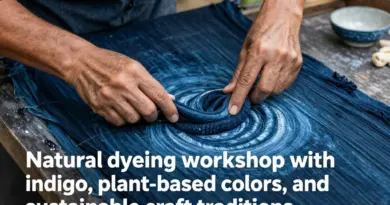
Mat Mi (or Ikat) is the most prized technique. It involves tie-dyeing the warp or weft threads before weaving to create the pattern.
| Feature | Authentic Mat Mi | Machine Imitation |
|---|---|---|
| Edge Definition | Slightly blurred, feathered edges | Perfectly sharp, defined lines |
| Pattern Consistency | Minor, charming irregularities | Identical repetition across the piece |
| Reverse Side | Faded or less distinct pattern | Often as clear as the front |
Weft vs. Warp Techniques
Most traditional Lao fabrics are warp-faced (the warp threads dominate the visible surface). Look closely at the selvage (the finished edge). Handwoven pieces will have a tighter, more irregular selvedge compared to mass-produced goods. The density of the weave—how many threads per inch—is a direct measure of the time and skill invested.
Where to Shop Smartly in Laos
Location matters when seeking quality. While tourist markets offer variety, dedicated cooperatives and specialized shops ensure better provenance and fair pricing. For an immersive experience on weaving techniques, consider visiting the craft centers outside Vientiane or Luang Prabang.
To truly understand the dedication involved, watching the process is invaluable. This video offers a glimpse into the painstaking labor behind these masterpieces.
Authentic, handwoven silk requires hundreds of hours of labor. Be prepared to pay a premium for high-quality Mat Mi pieces. Bargaining is expected in many markets, but remember that excessively low prices indicate poor quality or exploitation of the artisan. A fair price reflects respect for the craft.
คำถามที่พบบ่อย (FAQ)
Here are answers to common questions tourists have when looking for genuine Lao textiles.
References
UNESCO Intangible Cultural Heritage: Lao Textile Weaving
Lao National Museum Textiles Collection
By applying these tips, you are not just buying a souvenir; you are investing in the continuation of a beautiful, ancient craft. Happy and smart shopping!