Inside the Caves: Difficulty Levels, Must-See Formations, Wildlife, and Photography Tips for Each Cave
Laos is a land defined by its rugged limestone karsts and hidden subterranean worlds. For enthusiasts of Laos Cave Tourism, the country offers an unparalleled journey into the Earth’s depths. From river-filled caverns stretching several kilometers to sacred shrines perched above the Mekong, each cave presents a unique ecosystem and a different level of challenge for the modern explorer.
The Majesty of Laos Cave Tourism
The geological history of Laos has created a Swiss-cheese landscape of limestone, resulting in some of the largest and most spectacular cave systems in Southeast Asia. Whether you are a casual tourist or a seasoned spelunker, understanding the specific characteristics of each cave—from its difficulty level to its resident wildlife—is essential for a rewarding experience.
1. Kong Lor Cave (Tham Kong Lo)
Located in the Phu Hin Bun National Park, Kong Lor is a 7.5km long subterranean river cave that is often cited as a wonder of Southeast Asia.
- Difficulty Level: Moderate. You will be in a small wooden longtail boat. There are sections where you may need to walk through shallow water if the river level is low.
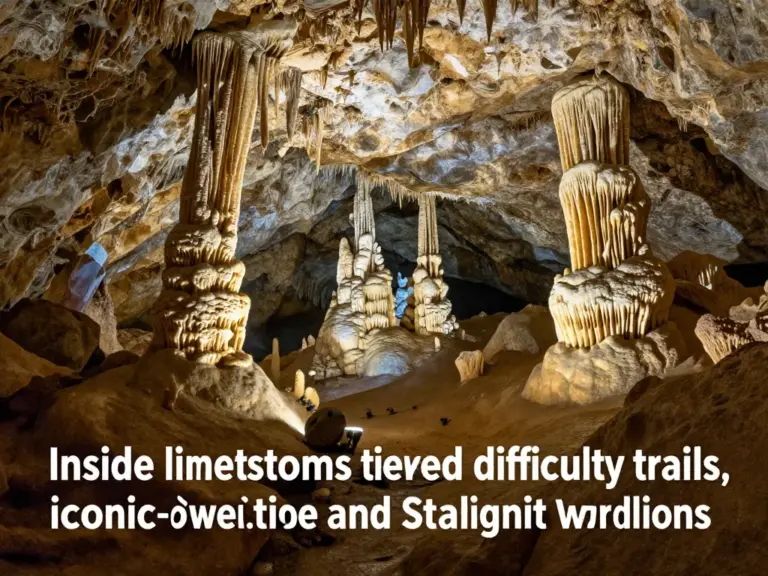
- Must-See Formations: The ‘Emerald Pool’ and the massive stalactite galleries illuminated by colorful spotlights.
- Wildlife: Look out for cave spiders and small bats clinging to the ceiling.
- Photography Tips: Use a long exposure on a tripod during the walking sections. The scale is massive, so include a person in the frame for perspective.
2. Tham Khoun Xe (Xe Bang Fai River Cave)
One of the largest river caves in the world, Tham Khoun Xe offers a truly remote adventure. It is located in the Hin Nam No National Protected Area.
- Difficulty Level: Challenging. Requires an organized expedition, often involving kayaking through massive chambers.
- Must-See Formations: Gourd-shaped flowstones and 120-meter high ceilings that make you feel tiny.
- Wildlife: Giant huntsman spiders and various species of cave-dwelling fish.
- Photography Tips: A wide-angle lens is mandatory here. Since it is incredibly dark, a powerful external flash or ‘light painting’ with a strong torch is necessary.
3. Pak Ou Caves (Tham Ting & Tham Theung)
Overlooking the Mekong River near Luang Prabang, these caves are more spiritual than geological in their primary appeal.
- Difficulty Level: Easy. Well-maintained stairs lead to both the lower and upper caves.
- Must-See Formations: Thousands of Buddha statues of all sizes left by pilgrims over centuries.
- Wildlife: Mostly small insects; the focus here is cultural.
- Photography Tips: The contrast between the dark cave interior and the bright Mekong outside is tricky. Use HDR mode to capture both the Buddhas and the river view.
| Cave Name | Difficulty | Main Attraction | Best Time |
|---|---|---|---|
| Kong Lor | Moderate | 7.5km River | Nov – April |
| Tham Khoun Xe | Hard | Colossal Chambers | Dec – Feb |
| Pak Ou | Easy | Buddha Statues | Year-round |
General Cave Photography Tips
Capturing the beauty of a cave requires patience. 1. Stability: Always use a tripod or a stable surface for long exposures. 2. Manual Focus: Autofocus often fails in low light; switch to manual. 3. Scale: Include your guide or a fellow traveler in the shot to show the magnitude of the stalactites.
คำถามที่พบบ่อย (FAQ)
Q: What is the best time for Laos cave tourism?
A: The dry season (November to April) is best, as river levels are manageable and caves are safer to enter.
Q: Do I need a professional guide?
A: For major caves like Kong Lor or Tham Khoun Xe, a guide is mandatory for safety and navigation.
Q: Is it safe to photograph wildlife in caves?
A: Yes, but avoid using heavy flash directly on bats as it can disorient them. Keep a respectful distance from all creatures.
References
Official Laos Tourism Website
UNESCO Heritage and Geological Sites
- Caving Near Vang Vieng: Complete Guide to Tham Chang, Tham Loup, and Tham Nam for Adventure Seekers
- Why Visit Vang Vieng for Caving? Understanding the Area, Best Seasons, and What to Expect
- Getting to the Caves: Routes, Guided Tours, Permits, and Safety Precautions for Tham Chang, Tham Loup, and Tham Nam