What Makes Laos a Hidden Gem for Rock Climbing Adventures?
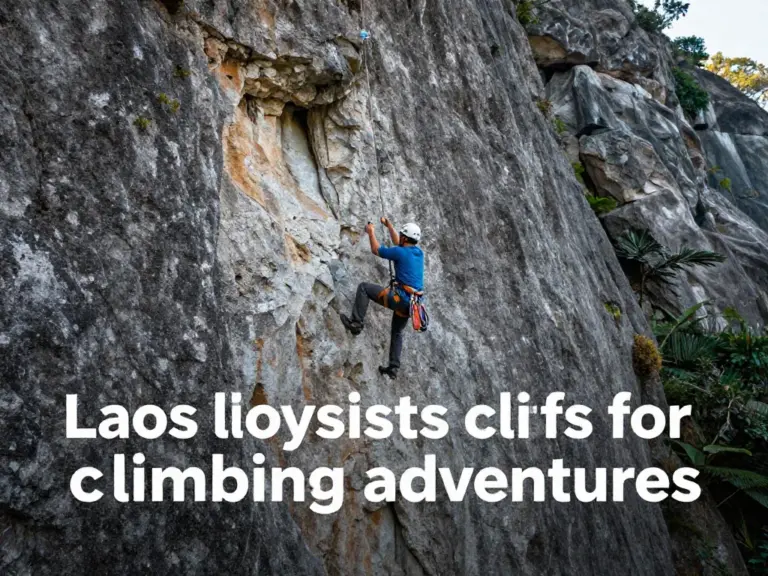
For thrill-seekers and nature lovers alike, finding the perfect vertical playground often involves escaping the crowded tourist trails. If you have been searching for an untouched paradise, you will quickly realize that Laos is a hidden gem for rock climbing adventures. While neighbors like Thailand and Vietnam have long dominated the Southeast Asian climbing scene, Laos offers a quieter, more intimate connection with the rock, defined by dramatic limestone karsts, pristine jungle surroundings, and a burgeoning community of dedicated climbers.
Why Laos Stands Out as a Climbing Destination
What sets Laos apart isn’t just the quality of the limestone, but the sheer tranquility of the experience. Unlike more commercialized hubs, climbing in Laos feels like a true expedition. The country’s geological makeup, characterized by ancient, weathered limestone, creates unique textures and challenging routes that cater to both beginners and seasoned experts. Whether you are scaling a cliff face in the central provinces or bouldering near the river, the lack of crowds ensures that you often have the crag entirely to yourself, allowing for a meditative focus that is rare in modern adventure sports.
The Heart of Climbing: Thakhek
The crown jewel of Lao climbing is undoubtedly the Thakhek region. Located in Khammouane Province, this area is widely regarded as the epicenter of sport climbing in the country. The Green Climbers Home, a legendary basecamp, has been instrumental in developing hundreds of routes. The limestone here is world-class, featuring pockets, tufas, and overhangs that will test your endurance and technique. It is a place where you can spend weeks without repeating a route, surrounded by lush scenery and the friendly local community.
Beyond the Crag: The Lao Experience
Climbing in Laos is about more than just the physical ascent; it is about the cultural immersion. After a long day of pulling on limestone, you are likely to find yourself enjoying a quiet meal in a village setting, watching the sunset over the jagged horizon. The slow pace of life in Laos forces you to disconnect from the digital world and reconnect with the environment. This is not a destination for those seeking high-octane resorts; it is for those who value the authenticity of the journey. Whether you are exploring the cave systems near Vang Vieng or navigating the remote routes of the south, the spirit of adventure is woven into every aspect of the trip.
Practical Considerations for Climbers
| Requirement | Details |
|---|---|
| Best Time to Visit | November to March (Dry Season) |
| Primary Style | Sport Climbing |
| Gear Needed | Standard sport climbing rack, helmet, harness |
คำถามที่พบบ่อย (FAQ)
1. Is Laos suitable for beginner climbers?
Yes, absolutely. Many crags, particularly in Thakhek, offer a wide range of grades, including many beginner-friendly routes that are well-bolted and safe.
2. Do I need to bring my own climbing gear to Laos?
While some basecamps offer gear rental, it is highly recommended to bring your own harness, climbing shoes, and chalk bag for the best fit and comfort. Ropes and quickdraws are often available at popular climbing hostels.
3. What is the best way to get to the climbing areas?
Most climbers fly into Vientiane or Pakse and take local buses or mini-vans to reach the climbing hubs like Thakhek. Renting a motorbike is a popular way to get around locally.