Seasonal Considerations and Optimal Times: Water Levels, Weather, and Wildlife to Expect at Sunset
Laos, the Land of a Million Elephants, offers some of Southeast Asia’s most breathtaking natural spectacles, particularly as the sun dips below the horizon. To truly maximize your experience—whether you are photographing the Mekong River or observing river dolphins—understanding the interplay between water levels, local weather, and nocturnal wildlife emergence is crucial. This guide provides deep insight into the Seasonal Considerations and Optimal Times: Water Levels, Weather, and Wildlife to Expect at Sunset for the discerning Laos tourist.
Understanding Laos’s Distinct Wet and Dry Seasons
Laos operates on a tropical monsoon climate, which dictates the rhythm of its rivers and the visibility of its skies. Planning your sunset viewing around these seasons is the first step to success. The difference between the high-water (wet) season and the low-water (dry) season fundamentally alters the landscape and the sunset viewing experience.
The High Water (Monsoon) Season: June to November
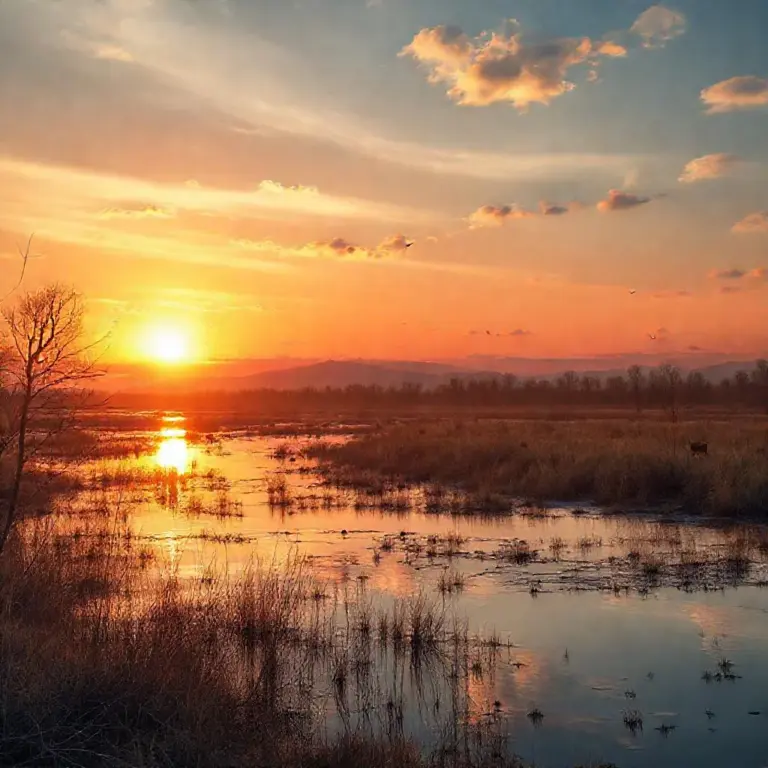
Weather at Sunset: Expect high humidity and frequent, often intense, afternoon downpours. The best sunsets often occur *after* a storm has passed, characterized by dramatic, dark clouds contrasted by brilliant orange and pink light breaking through.
Wildlife Activity: Insect life explodes, leading to higher activity for insectivorous bats and birds feeding just before dusk. Amphibians become vocal.
The Low Water (Dry) Season: December to May
This period offers clearer skies and more predictable weather, making it the peak tourist season. However, water levels drop significantly.
Optimal Timing: The Golden Hour and Beyond in Laos
When discussing Seasonal Considerations and Optimal Times: Water Levels, Weather, and Wildlife to Expect at Sunset, precise timing relative to the celestial clock is non-negotiable. The best viewing window is the ‘Golden Hour’ leading into the ‘Blue Hour.’
The Crucial 30 Minutes Before and After Sunset
In Luang Prabang, for instance, the sun sets behind the mountains flanking the Mekong and Khan rivers. The most vibrant colors are often seen 10-15 minutes *after* the sun physically disappears below the horizon, as the light refracts through the upper atmosphere. This is also when many nocturnal creatures begin their activity.
Specific Wildlife Sightings at Dusk
Certain wildlife encounters are highly dependent on the light transition at sunset. For tourists interested in the rare Irrawaddy dolphins near the northern border areas, sunset is a prime viewing time, especially during the transition from the dry season into early rains (April/May), when fish behavior changes.
- Bat Emergence: As the last light fades, fruit bats leave their roosts in caves or high trees. Look towards high cliffs or dense forests bordering the riverbanks.
- Crocodylian Observation (Caution Advised): While true crocodiles are rare near main tourist hubs, monitor lizards and other reptiles become more active near the water line before settling for the night. Never approach wildlife unsupervised.
- The Mekong’s Silent Shift: Fishing boats return to shore, and the river’s sound profile changes from bustling activity to a calmer, more natural ambiance, enhancing the sunset mood.
Essential Sunset Viewing Embed
For a visual guide on the best sunset spots and atmospheric conditions in Laos:
Geographic Nuances: Luang Prabang vs. Southern Laos Sunsets
The ideal time shifts based on latitude. Sunsets in the mountainous north (like Luang Prabang) are often dramatically framed by peaks, meaning the actual sun disappears earlier, but the afterglow lasts longer. In the flatter south (near the 4000 Islands area), the horizon is wider, offering a longer, more drawn-out visual descent over the water.
Water Level Impact on Photography
Photographers must adjust their expectations based on water levels. Low water in the dry season exposes mud flats, which can look aesthetically unpleasing unless the sunset colors are exceptionally strong. Conversely, high water during the monsoon season drowns out foreground interest but provides stunning, mirror-like reflections of the sky. Always check tide/river charts if possible, though these are less standardized in rural Laos than in coastal areas.
คำถามที่พบบ่อย (FAQ)
When is the absolute best month for clear sunset viewing in Laos?
Generally, February through April offers the most consistently clear skies and reliably warm, dry evenings, striking a balance before the intense heat of late April sets in.
Do water levels affect the visibility of dolphins at sunset?
Yes. Dolphins often feed near areas where the river current changes due to differing depths. While they are present year-round, high water (Monsoon) can disperse fish, sometimes making them harder to spot near fixed viewing points.
Is it safe to be near the Mekong River after dark for sunset viewing?
In established tourist areas like Luang Prabang, it is generally safe, but always stay on marked paths. Be extremely cautious near the water’s edge, especially during the high-water season when currents are strong and banks are slippery.
What is the best time zone difference for sunset timing in Laos?
Laos observes Indochina Time (ICT), which is UTC+7. Sunset times fluctuate by about 30 minutes between the winter solstice (earliest sunset) and the summer solstice (latest sunset).
References
By meticulously planning your schedule around the seasonal shifts in Laos, you ensure that your sunset viewing transcends mere sightseeing, becoming a deeply connected natural experience. Safe travels and enjoy the spectacle!
- Stand-Up Paddleboarding on the Mekong at Sunset: Best Routes, Safety Tips, and Local Guides for an Unforgettable Experience
- Where to Launch and Which Sections of the Mekong Offer the Best Sunset SUP Views (Luang Prabang, Chiang Saen, Don Det)
- Safety, Permits, and Equipment: Local Regulations, Guided vs Self-Guided Trips, and What to Pack for a Sunset SUP