Packing Essentials for Hot-Season Travel in Laos: Clothing, Sun Protection, and Hydration Gear (breathable fabrics, high-SPF, refillable water systems, and insect precautions)
- Packing Essentials for Hot-Season Travel in Laos: Clothing, Sun Protection, and Hydration Gear (breathable fabrics, high-SPF, refillable water systems, and insect precautions)
- Understanding the Laos Climate: Heat, Humidity, and Monsoon Risk
- Clothing Strategy: The Power of Breathable Fabrics
- Sun Protection: High-SPF and Physical Barriers
- Hydration and Water Safety: Refillable Systems
- Health and Safety: Insect Precautions and First Aid
- Final Packing Tips for a Lightweight Trip
- คำถามที่พบบ่อย (FAQ)
Traveling through Laos during the hot season (typically March to May) offers incredible experiences, but the intense heat and humidity demand a strategic approach to packing. To ensure comfort, safety, and cultural respect, mastering your Packing Essentials for Hot-Season Travel in Laos is critical. This comprehensive guide focuses on three pillars: selecting the right clothing (emphasizing breathable fabrics), implementing effective sun protection (specifically high-SPF), and maintaining health with proper hydration gear and critical insect precautions.
Understanding the Laos Climate: Heat, Humidity, and Monsoon Risk
Laos experiences a tropical monsoon climate. The hot season is characterized by scorching temperatures and high humidity, making clothing choices paramount. While the heaviest rains occur during the monsoon (June to October), the transition months (April/May) can bring sudden, heavy downpours. Your gear needs to handle intense sun exposure followed by potential soaking.
Clothing Strategy: The Power of Breathable Fabrics
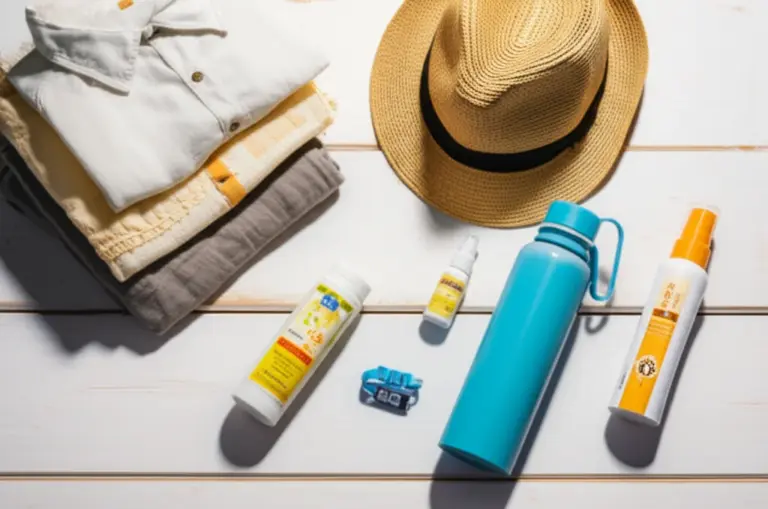
When packing for heat and humidity, prioritize materials that wick moisture away and dry quickly. Avoid heavy cotton, which retains sweat and takes ages to dry. Instead, focus on performance fabrics.
Essential Garments Checklist (Breathable Fabrics)
- Technical Synthetics (Polyester/Nylon Blends): Lightweight, quick-drying, and often feature built-in UV protection. Ideal for hiking and active days.
- Linen and Bamboo: Excellent natural choices for breathability and airflow, perfect for city sightseeing.
- Loose-Fitting Clothing: Air circulation is key. Tight clothing exacerbates chafing and heat retention. Opt for flowy shirts and wide-leg trousers.
- Smart Socks: Bring moisture-wicking wool or synthetic socks, even in the heat, to prevent blisters and fungal infections.
Cultural Sensitivity and Modesty
Laos is a deeply Buddhist country, and respecting local customs is crucial, especially when visiting temples (wats). Always carry items that cover your shoulders and knees. A lightweight sarong or scarf made of breathable fabric serves multiple purposes: modesty coverage, sun shield, and makeshift towel.
Sun Protection: High-SPF and Physical Barriers
The equatorial sun in Laos is exceptionally powerful. Relying solely on low-SPF creams is insufficient. A multi-layered approach combining chemical/mineral protection with physical barriers is necessary.
The Importance of Broad-Spectrum High-SPF Protection
Ensure your sunscreen is at least SPF 50 and labeled “broad-spectrum” to protect against both UVA (aging) and UVB (burning) rays. Apply generously and reapply every two hours, especially after swimming or heavy sweating. Consider bringing your preferred brand, as high-quality, high-SPF options can be expensive or hard to find outside major cities like Vientiane or Luang Prabang.
Non-Sunscreen Sun Protection Essentials
| Item | Purpose |
|---|---|
| Wide-Brimmed Hat | Protects the scalp, ears, and neck. Essential for preventing sunstroke. |
| UV-Rated Sunglasses | Protects eyes from cataracts and long-term sun damage. |
| Lightweight Scarf/Sarong | Used to cover exposed skin during the hottest parts of the day or for temple visits. |
Hydration and Water Safety: Refillable Systems
Dehydration is the biggest threat to traveler health in the Laos hot season. While bottled water is widely available, relying on single-use plastic contradicts sustainable travel principles. Utilizing refillable water systems is both eco-friendly and economically sensible.
Choosing Your Hydration Gear
A quality, insulated, refillable water bottle (at least 1 liter capacity) is non-negotiable. Look for cafes and hotels that participate in refill programs. Furthermore, consider electrolyte tablets or powder mixes to replenish salts lost through heavy sweating.
Water Purification Methods in Laos
Tap water is generally not safe for consumption in Laos. If you plan to travel extensively outside tourist hubs or want maximum sustainability, integrating a personal purification system into your hydration gear is wise:
- Filtered Bottles: Bottles with integrated filters (like LifeStraw or Grayl) allow you to safely drink from non-potable sources.
- UV Sterilizers: Small handheld UV devices (like SteriPEN) kill bacteria and viruses quickly.
- Chemical Treatments: Iodine or chlorine tablets are reliable backups but can affect water taste.
Health and Safety: Insect Precautions and First Aid
Mosquito-borne illnesses, including Dengue fever and Malaria (in certain rural areas), are risks, particularly during the humid, hot season. Effective insect precautions Laos are mandatory.
Mandatory Insect Protection Strategy
- DEET or Picaridin Repellent: Bring a reliable repellent with at least 30% DEET or 20% Picaridin. Apply it over sunscreen.
- Permethrin Treatment: Treat your clothing, socks, and mosquito nets (if carrying one) with Permethrin for long-lasting protection.
- Timing: Mosquitoes are most active at dawn and dusk. Wear long, light-colored sleeves and trousers during these hours.
Final Packing Tips for a Lightweight Trip
The heat means you will sweat and need to wash clothes frequently. Because quick-dry fabrics are used, plan to hand-wash items every few days. This allows you to pack less, reducing weight and complexity. Aim for clothing that can be mixed and matched easily, and remember that shoes should be durable, waterproof, and breathable (e.g., ventilated hiking sandals or mesh sneakers).
By meticulously planning your gear—focusing on breathable fabrics, diligent high-SPF application, robust hydration systems, and strict insect precautions—you can transform the challenging Laos hot season into an unforgettable, comfortable adventure.
คำถามที่พบบ่อย (FAQ)
What are the best fabrics to wear during the hot season in Laos?
The best fabrics are lightweight, highly breathable, and quick-drying. Prioritize technical synthetics (like moisture-wicking polyester or nylon blends) for active use, and natural fibers like linen or bamboo for casual wear. Avoid heavy cotton, which retains moisture and heat.
Is tap water safe to drink in Laos?
No, tap water in Laos is generally not safe for tourists to drink. It is strongly recommended to use bottled water or, ideally, a personal refillable water system equipped with a high-quality filter or UV sterilizer to ensure safe hydration while minimizing plastic waste.
What specific insect precautions should I take in Laos?
Due to the risk of Dengue fever, use an effective insect repellent containing at least 30% DEET or 20% Picaridin. Wear long, light-colored clothing during dawn and dusk when mosquitoes are most active. Additionally, consider treating your clothing with Permethrin for added protection.
Should I pack a rain jacket for the hot season?
While the hot season is generally dry, sudden, heavy downpours can occur, especially closer to the transition into the wet season (May). A lightweight, breathable, packable rain shell or poncho is highly recommended. Focus on water resistance rather than heavy insulation.
References
CDC Travel Health Notices for Laos
World Health Organization Laos Climate Data
- What to Pack for Laos: An Essential Checklist for Every Season
- Why Season, Climate, and Activities Matter for Your Laos Packing List (how weather patterns, festivals, and terrain change what to bring)
- Preparing for the Rainy Season: Waterproofing, Footwear, and Electronics Protection (quick-dry layers, waterproof shoes, dry bags, and moisture control for gadgets)