Uncover the Plain of Jars’ Secret Spots: 10 Off-the-Beaten-Path Wonders
- Uncover the Plain of Jars’ Secret Spots: 10 Off-the-Beaten-Path Wonders
- Plain of Jars secret spots: Beyond the Main Attractions: The Allure of Hidden Jars
- 1. Site IV: The Enigmatic Cluster
- 2. Site V: The Isolated Giant
- 3. Site VI: The Riverbank Find
- 4. Site VII: The Hilltop Panorama
- 5. Site VIII: The Hidden Valley
- 6. Site IX: The Forested Enigma
- 7. Site X: The Quarry Connection
- 8. Site XI: The Small but Significant Cluster
- 9. Site XII: The Rural Hearth
- 10. Site XIII: The Memorial Stone
- Planning Your Expedition to Secret Spots
- Essential Checklist for Exploring
- Common Misunderstandings and Considerations
- Conclusion: The Enduring Mystery
- Frequently Asked Questions (FAQ)
The Plain of Jars in Laos is a UNESCO World Heritage site renowned for its thousands of mysterious stone jars scattered across the landscape. While the main sites are well-known, a wealth of lesser-explored areas and unique formations await those willing to venture further. This guide uncovers 10 off-the-beaten-path wonders and Plain of Jars secret spots, offering a deeper understanding of this enigmatic archaeological landscape for curious travelers.
Plain of Jars secret spots: Beyond the Main Attractions: The Allure of Hidden Jars
While Sites I, II, and III near Phonsavan are the most accessible and frequently visited, they represent just a fraction of the Plain of Jars’ vastness. The true magic often lies in the journey to discover more remote locations. These secret spots not only offer solitude but also present unique perspectives on the ancient civilization that created these megalithic artifacts. Understanding the context of these jars—their purpose, creation, and the people behind them—is key to appreciating their significance.
1. Site IV: The Enigmatic Cluster
Located a bit further afield from the main clusters, Site IV is a fascinating, less-visited area. It features a concentration of jars, some in remarkably good condition, nestled in a serene rural setting. The relative quiet here allows for a more contemplative experience, letting visitors soak in the atmosphere without the crowds. It’s a prime example of a Plain of Jars secret spot that rewards the determined explorer.
2. Site V: The Isolated Giant
Site V is notable for its isolation and the presence of a single, massive jar. This solitary giant stands as a testament to the scale and ambition of the jar creators. Reaching this site often involves a trek through local villages and rice paddies, offering an authentic glimpse into rural Laotian life alongside the archaeological discovery.
3. Site VI: The Riverbank Find
This site is unique due to its proximity to a river. The jars here are scattered along the riverbanks, some partially submerged or weathered by time and water. The landscape is particularly beautiful, and the presence of jars in such a dynamic natural setting adds another layer to their mystery. Local lore often connects such sites to ancient burial rituals or water-related ceremonies.
4. Site VII: The Hilltop Panorama
Perched on a hilltop, Site VII offers not only a collection of jars but also breathtaking panoramic views of the surrounding Xieng Khouang plateau. The effort to climb to this location is rewarded with a sense of vastness, both in the landscape and in the historical implications of the jars placed strategically overlooking the land.
5. Site VIII: The Hidden Valley
Deep within a less-traversed valley lies Site VIII. This location is often described as particularly tranquil and imbued with a palpable sense of history. The journey here might be more challenging, requiring local guidance, but the reward is an intimate encounter with the jars in an undisturbed natural environment.
6. Site IX: The Forested Enigma
Some jar sites are gradually being reclaimed by nature. Site IX, for instance, is partially obscured by forest growth. This adds a unique element, as visitors must navigate through vegetation to find the stone vessels, making the discovery feel more adventurous. It highlights how nature continues to interact with these ancient relics.
7. Site X: The Quarry Connection
While not a traditional jar site, exploring areas believed to be ancient quarries or production sites offers a different perspective. Understanding where the massive stone jars were carved from provides crucial insights into the logistical and engineering challenges faced by the ancient inhabitants. These locations, though often lacking intact jars, are vital to the archaeological narrative.
8. Site XI: The Small but Significant Cluster
Not every site is defined by huge numbers or monumental jars. Site XI is a smaller cluster, perhaps overlooked by many, but its compact arrangement and unique setting make it noteworthy. It demonstrates that significant archaeological finds can occur in unassuming locations.
9. Site XII: The Rural Hearth
Imagine jars found near what might have been ancient dwelling areas or communal spaces. Site XII, often found in more rural and less developed areas, can offer clues about daily life associated with the jar creators. Its peaceful, rural setting makes it a perfect example of a Plain of Jars secret spot that connects history with present-day Laotian life.
10. Site XIII: The Memorial Stone
Beyond the jars themselves, look for associated megalithic features like large stone discs or potential burial markers. Site XIII might represent such a feature, offering a broader context for the funerary or ceremonial practices. These associated artifacts are key to unlocking the full story.
Planning Your Expedition to Secret Spots
Visiting these lesser-known sites requires more preparation than hitting the main attractions. Local knowledge is invaluable, and hiring a local guide is highly recommended. They can navigate the terrain, arrange transport, and provide cultural insights. Be prepared for varying accessibility, from short walks to more strenuous treks.
| Site | Key Feature | Accessibility | Notes |
|---|---|---|---|
| Site IV | Concentrated cluster | Moderate | Quiet, good condition jars |
| Site V | Single giant jar | Challenging trek | Isolated, rural scenery |
| Site VI | Riverbank location | Moderate | Unique natural setting |
| Site VII | Hilltop panorama | Moderate hike | Stunning views |
| Site VIII | Hidden valley | Difficult | Undisturbed, tranquil |
Essential Checklist for Exploring
To make your exploration of the Plain of Jars’ secret spots a success, consider this checklist:
- Hire a local guide for navigation and insights.
- Wear sturdy, comfortable hiking shoes.
- Carry plenty of water and snacks.
- Pack insect repellent and sunscreen.
- Bring a basic first-aid kit.
- Respect local customs and the archaeological sites.
- Inform yourself about the history and theories surrounding the jars.
Common Misunderstandings and Considerations
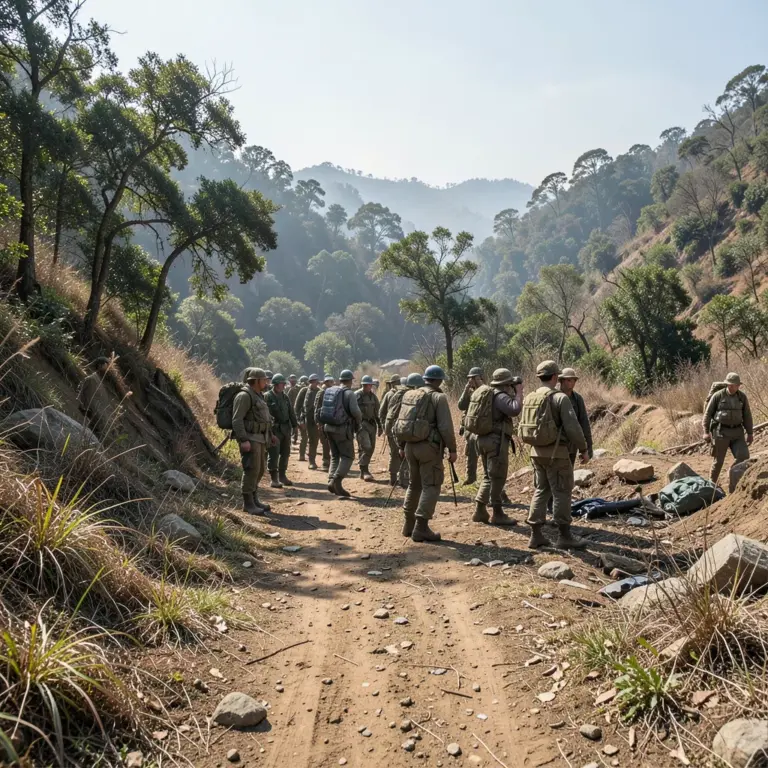
It’s important to approach the Plain of Jars with realistic expectations. While the jars are ancient and mysterious, much of their exact purpose remains debated among archaeologists. Theories range from burial urns to ritualistic containers. Avoid touching or climbing on the jars, as they are fragile and significant historical artifacts. Also, be aware that some areas may still contain unexploded ordnance from past conflicts, making it crucial to stick to marked paths and follow local advice.
Conclusion: The Enduring Mystery
The Plain of Jars’ secret spots offer an unparalleled opportunity to connect with history in a profound and personal way. Venturing off the beaten path reveals not just more jars, but a deeper appreciation for the ingenuity and mystery of ancient Laos. These hidden wonders promise an unforgettable journey for any intrepid traveler seeking to uncover the true secrets of this remarkable UNESCO World Heritage site.
Frequently Asked Questions (FAQ)
What is the main purpose of the Plain of Jars?
The exact purpose of the stone jars remains a subject of archaeological debate, but the most widely accepted theory is that they served as funerary urns or containers for the remains of the deceased during the Iron Age (500 BCE to 500 CE).
Are there many secret spots at the Plain of Jars?
While the most famous sites are well-documented, there are numerous smaller, less-visited, or more remote clusters of jars scattered across the Xieng Khouang plateau, often referred to as secret spots. These require more effort to reach and often local guidance to find.
Is it safe to visit the Plain of Jars?
The main tourist sites are generally safe. However, some areas, particularly those off the beaten path, may still contain unexploded ordnance from past conflicts. It is crucial to stay on marked trails and heed local advice. Hiring a reputable local guide is highly recommended for exploring remote areas.
What should I bring when visiting the Plain of Jars?
Essential items include sturdy walking shoes, plenty of water, snacks, sunscreen, insect repellent, a hat, and a basic first-aid kit. If visiting remote sites, consider bringing a power bank for your phone and a map.
Can I touch the jars?
No, you should not touch or climb on the stone jars. They are ancient artifacts and can be fragile. Touching them can cause damage, and climbing on them is disrespectful and potentially dangerous.
References
UNESCO World Heritage Centre: Megalithic Jar Sites in Xiengkhuang