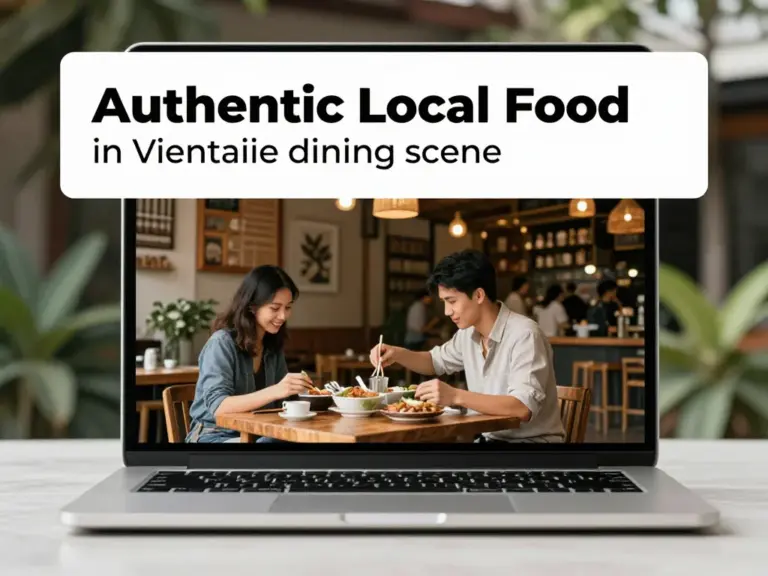
Where to Eat Authentic Local Food in Vientiane
- Where to Eat Authentic Local Food in Vientiane
Finding where to eat authentic local food in Vientiane is a journey into the heart of Lao culture. For the uninitiated, the capital city offers a nuanced landscape of flavors ranging from the sharp tang of lime and chili in traditional salads to the comforting warmth of noodle soups. Unlike the heavily commercialized food scenes in neighboring capitals, Vientiane retains a grounded, approachable culinary identity. Whether you are a solo traveler or exploring with a group, identifying the right spots is essential for a true taste of the Mekong region.
authentic local food in Vientiane: The Philosophy of the Vientiane Food Scene
To understand where to eat authentic local food in Vientiane, one must first appreciate the local approach to dining. It is communal, seasonal, and deeply rooted in the concept of ‘Khao Niew’ (sticky rice). Authentic experiences here are rarely found in high-end, air-conditioned establishments. Instead, the most genuine flavors are discovered in open-air shophouses, morning markets, and evening street stalls where the turnover is high and the ingredients are fresh.
In Vientiane, the cuisine is a fascinating blend of indigenous Lao ingredients—like galangal, lemongrass, and fermented fish sauce (pa daek)—intersecting with French colonial influences and Vietnamese techniques. When searching for authenticity, look for places that specialize in a single dish. A shop that serves only one type of noodle soup or one specific variation of grilled meat is often superior to a restaurant with a sprawling, multi-page menu.
Top Neighborhoods for Local Culinary Discovery
Geography plays a significant role in your search for authenticity. Certain pockets of the city are more focused on local trade than tourism.
The Ban Anou Area
Ban Anou is legendary for its evening food market. While it has modernized over the years, it remains a primary destination for those seeking street-style snacks such as grilled skewers, sticky rice, and spicy papaya salad. This is the place to observe the local evening routine: buying takeaway food to bring home for the family dinner.
Chao Anouvong Park Waterfront
The riverside area, particularly around the park, hosts a variety of stalls as the sun sets. While some areas are tourist-facing, the back rows of stalls often cater to locals exercising or relaxing. Focus on the vendors surrounded by Lao families, as this is a reliable indicator of authentic quality and fair pricing.
Must-Try Dishes for the Discerning Traveler
When you find a spot that serves authentic local food in Vientiane, you should know what to order. The menu might be limited, but the quality of these staples is high:
- Larb: Often considered the national dish, this minced meat salad is seasoned with lime juice, chili, fresh herbs, and toasted rice powder.
- Khao Piak Sen: A thick, chewy tapioca noodle soup, usually served with chicken and a rich, savory broth. It is the quintessential Lao comfort food.
- Tam Mak Hoong: Spicy green papaya salad. Don’t be afraid to ask for ‘less chili’ if you are sensitive to heat, but the authentic version is famously fiery.
- Ping Kai: Lao-style grilled chicken, often marinated in cilantro root, garlic, and pepper, served with sticky rice.
Comparison: Street Food vs. Sit-Down Restaurants
Deciding between a street stall and a restaurant depends on your comfort level and time constraints. Use this table to decide where to focus your efforts.
| Feature | Street Market/Stall | Local Shophouse/Restaurant |
|---|---|---|
| Authenticity | High (Traditional recipes) | Moderate to High |
| Price | Very Affordable | Affordable |
| Hygiene Standards | Variable (Observe turnover) | Generally higher |
| Atmosphere | Lively, noisy, chaotic | Relaxed, family-oriented |
| Language Barrier | High (Use gestures) | Moderate (Often some English) |
Practical Checklist for Your Food Tour
To make the most of your culinary adventure, keep this checklist in mind:
- Cash is King: Small street vendors rarely accept cards or digital payments. Carry small denominations of Lao Kip.
- Follow the Crowds: If a place is packed with locals, the food is almost certainly fresh and delicious.
- Hydration: Stick to bottled water or tea provided at the table. Avoid ice if you have a sensitive stomach.
- Timing: Most authentic breakfast spots open at 6:00 AM and close by 11:00 AM. Dinner spots typically peak between 6:00 PM and 8:30 PM.
- Language: Learn basic phrases like ‘Sabai Dee’ (Hello) and ‘Khop Chai’ (Thank you). It goes a long way with vendors.
Conclusion
Finding where to eat authentic local food in Vientiane does not require complex research or expensive tours. It requires a willingness to step away from the main tourist strips, observe where the locals eat, and embrace the vibrant, spicy, and fresh flavors that define Lao cuisine. By focusing on high-turnover stalls and traditional dishes, you ensure a safe and memorable gastronomic experience in this charming capital.
Frequently Asked Questions (FAQ)
Generally, yes. The key is to look for high turnover. If a stall is busy with locals, the food is being cooked fresh and constantly replenished, which minimizes the risk of foodborne illness.
It can be challenging as many dishes use fish sauce or meat stock. However, you can request ‘Tam Mak Hoong’ without fish sauce (though it changes the flavor) or look for specific tofu-based dishes in noodle shops.
Tipping is not expected or standard in Laos. However, if you receive exceptional service at a sit-down restaurant, leaving a small amount is appreciated but entirely optional.
References
Official Tourism Laos Website
Lonely Planet Vientiane Dining Guide