- Navigating Cities and Towns: Tuk-Tuks, Songthaews, Motorbike Rentals, and Ride-Hailing Apps
Welcome to Laos, a landlocked gem in Southeast Asia, known for its tranquil pace, stunning landscapes, and rich cultural heritage. As you plan your adventure, understanding the local transport options is crucial for a smooth and authentic experience. This comprehensive Laos transportation guide will walk you through the various ways to navigate its charming cities and towns, from traditional tuk-tuks to modern ride-hailing apps, ensuring you make the most of your journey. [7]
The Charm of Tuk-Tuks in Laos
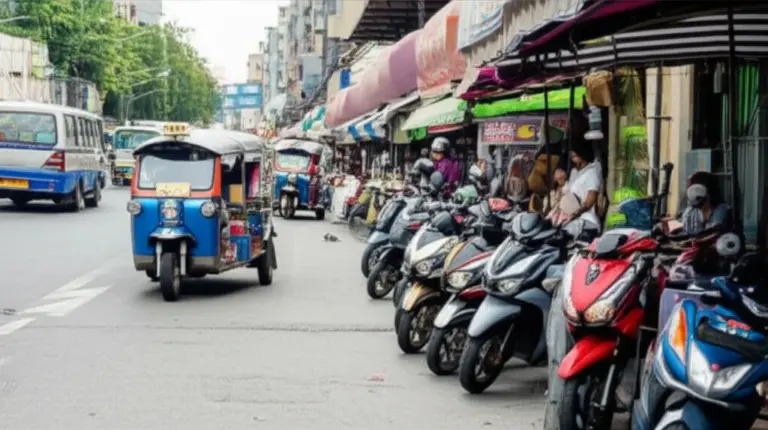
The ubiquitous tuk-tuk is often the first image that comes to mind when thinking about urban transport in Southeast Asia, and Laos is no exception. These motorized rickshaws offer an exhilarating, open-air way to experience the sights and sounds of Lao cities like Vientiane and Luang Prabang. They are readily available and can be found on almost every street corner, particularly in tourist-heavy areas or near markets and hotels.
What is a Tuk-Tuk?
A tuk-tuk is essentially a three-wheeled vehicle, often a motorcycle chassis adapted with a covered passenger cabin at the rear. They vary in size and design, from smaller, nimble versions to larger, more spacious ones capable of carrying several passengers and luggage. While they might seem chaotic at first glance, they are an integral part of the urban landscape and a fun way to get around.
When to Use Tuk-Tuks
Tuk-tuks are ideal for short to medium distances within cities. They are perfect for hopping between temples, navigating local markets, or getting from your hotel to a restaurant. They offer flexibility, allowing you to stop easily for photos or to explore an interesting street. For longer journeys or inter-city travel, other options might be more suitable.
Negotiating Fares
One key aspect of using tuk-tuks is price negotiation. Fares are rarely fixed, and drivers will often quote a higher price to tourists. Always agree on a price before you start your journey. It’s helpful to have a general idea of what a fair price should be for your route, perhaps by asking your hotel or checking a local mapping app for estimated distances. Don’t be afraid to politely haggle, but also remember that a few extra cents for you can make a significant difference to the driver. [2]
Songthaews (literally ‘two rows’) are pick-up trucks with two benches in the back, serving as shared taxis or buses. They are a common sight across Laos and offer a more local and often more economical way to travel, especially for slightly longer distances or between towns and villages.
Understanding Songthaews
Unlike tuk-tuks which are usually hired privately, songthaews operate more like a public transport system. They often follow set routes, picking up and dropping off passengers along the way. While they might appear less formal than buses, they are a reliable mode of transport for many locals and tourists alike. You can often find them congregated at bus stations, markets, or major intersections.
Routes and Destinations
In cities, songthaews might cover specific city loops or connect the city center with outer districts or nearby attractions like waterfalls or caves. For inter-town travel, they are often used for shorter hops between neighboring communities. It’s always best to confirm the destination with the driver before boarding. Sometimes, if you’re the only passenger, you might be able to negotiate a private hire, but this will naturally be more expensive.
Cost-Effectiveness
Songthaews are generally more budget-friendly than tuk-tuks, especially if you’re traveling a set route with other passengers. The fare is usually fixed for common routes, but it’s still good practice to confirm the price before you get in. Be prepared for a potentially crowded ride, as drivers will try to fill all available seats to maximize their earnings.
Motorbike Rentals: Freedom on Two Wheels
For the adventurous traveler, renting a motorbike offers unparalleled freedom to explore at your own pace. This is particularly popular in places like Vang Vieng and Luang Prabang, where scenic routes and hidden gems are just a short ride away. However, it comes with important considerations regarding safety and legality.
Renting a Motorbike in Laos
Motorbike rental shops are common in tourist hubs. Prices vary depending on the bike’s condition, engine size, and rental duration, but they are generally affordable. Always inspect the bike thoroughly for existing damage before renting, and take photos or videos as proof. Ensure the brakes, lights, and tires are in good working order. Most importantly, always wear a helmet, which reputable rental shops should provide.
Safety Considerations and Licensing
Road conditions in Laos can be challenging, especially outside of major cities, with unpaved roads, potholes, and unpredictable traffic. It is crucial to have prior experience riding a motorbike. Furthermore, you legally need an International Driving Permit (IDP) with a motorcycle endorsement to ride in Laos. While some rental places might not ask for it, police checkpoints are common, and riding without a valid license can lead to fines and may void your travel insurance in case of an accident. [2, 10]
Popular Routes for Motorbike Exploration
From Luang Prabang, motorbikes are excellent for visiting the stunning Kuang Si Falls or the Pak Ou Caves. In Vang Vieng, they open up access to numerous blue lagoons and viewpoints. For longer, multi-day adventures, the Thakhek Loop is a famous route that showcases the country’s rugged beauty, though this requires significant riding experience.
Ride-Hailing Apps: Modern Convenience in Laos
For those who prefer the convenience and transparency of modern technology, ride-hailing apps are slowly gaining traction in Laos, particularly in its larger urban centers. While not as widespread as in neighboring countries, they offer a reliable alternative to traditional taxis and negotiations.
Popular Apps and Availability
The most prominent ride-hailing app in Laos is LOCA. It operates primarily in Vientiane and Luang Prabang, offering fixed-price rides by car or tuk-tuk. [7] Unlike many other Southeast Asian countries, popular international apps like Grab are generally not available or widely used in Laos. [2, 10] It’s advisable to download LOCA before your trip and set up an account, though you will need a local SIM card to fully utilize it.
Benefits and Drawbacks
The main benefits of using ride-hailing apps include transparent pricing (no haggling!), convenience of booking from your phone, and often better safety features as your journey is tracked. The primary drawback is their limited coverage outside of the main tourist cities. For regions like Vang Vieng or Nong Khiaw, you’ll still rely on tuk-tuks, songthaews, or motorbike rentals. [7]
Choosing Your Laos Transportation Guide
The best mode of transport in Laos depends on your destination, budget, and desired level of adventure. For short, quick hops within cities, tuk-tuks offer an authentic experience. For a more local and budget-friendly option for slightly longer city routes or nearby villages, songthaews are great. Motorbike rentals provide unparalleled freedom for experienced riders exploring scenic areas. And for modern convenience and fixed pricing in larger cities, ride-hailing apps like LOCA are your go-to.
Tip: Combine Modes!
Don’t hesitate to mix and match your transport. You might take a LOCA ride to a central market, then explore the area by foot, catch a tuk-tuk to a distant temple, and return to your hotel via a songthaew. Flexibility is key to navigating Laos efficiently and enjoyably.
Beyond the specific modes of transport, a few general tips will enhance your travel experience in Laos:
- Carry Small Denominations: This makes paying for transport easier and reduces issues with drivers not having change.
- Learn Basic Lao Phrases: A simple ‘Sabaidee’ (hello) or ‘Khop Jai’ (thank you) can go a long way in building rapport with drivers.
- Use Offline Maps: Download maps of the areas you’ll be visiting on your phone. This helps with navigation and confirming routes.
- Be Prepared for Delays: ‘Lao time’ is a real phenomenon. Public transport schedules can be flexible, so factor in extra time.
- Prioritize Safety: Always choose reputable operators, especially for motorbike rentals. Be aware of your surroundings and trust your instincts.
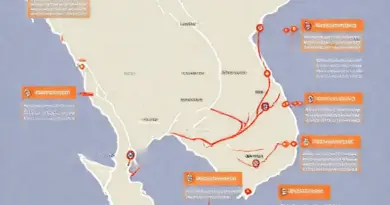
To help you visualize, here’s a map of Vientiane, the capital city, where many of these transportation options are readily available:
With this Laos transportation guide, you’re now equipped to confidently explore the captivating cities and towns of Laos. Whether you prefer the traditional charm of a tuk-tuk, the communal spirit of a songthaew, the freedom of a motorbike, or the modern ease of a ride-hailing app, Laos offers a unique travel experience at every turn. Embrace the journey, and enjoy the beauty of this incredible country!
คำถามที่พบบ่อย (FAQ)
References
- Everything You Need To Know About Laos (Travel Tips & Itinerary) – YouTube [2]
- First-timer’s Travel Guide to Laos – All you need to know to visit Laos | Solo in Laos Ep. 7 – YouTube [7]
- How to Travel Northern Laos (2025) | 2 Week Itinerary – YouTube [10]
- Getting Around Laos: The Complete Traveler’s Guide to Transportation Options and Practical Tips
- Understanding Travel Routes and Long-Distance Transport in Laos: Flights, Buses, Trains, and Private Transfers
- Crossing Borders and Regional Connections: Overland Border Crossings to Thailand, Vietnam, Cambodia and International Bus Services