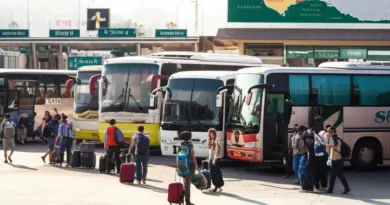
Cultural tips and etiquette: when to use polite particles, nonverbal cues, and respectful behavior to avoid misunderstandings
- Cultural tips and etiquette: when to use polite particles, nonverbal cues, and respectful behavior to avoid misunderstandings
- The Foundation of Lao Politeness: The *Nop* and Wai
- Speaking Respectfully: Polite Particles and Language Tips
- Nonverbal Cues: What Not to Do in Laos
- Respectful Behavior in Sacred Spaces (Temples and Ceremonies)
- Navigating Daily Interactions for Laos Tourism Cultural Etiquette
- Conclusion: The Importance of Respect
- คำถามที่พบบ่อย (FAQ)
Laos, often called the ‘Land of a Million Elephants,’ is renowned for its gentle people, deep-rooted Buddhist traditions, and serene landscapes. For visitors, especially those engaged in Laos tourism cultural etiquette, understanding local customs is not just a gesture of goodwill—it is crucial for a smooth and rewarding experience. This guide provides essential insights into verbal and nonverbal communication, ensuring your interactions are marked by respect and mutual understanding. By mastering these cultural tips, you can avoid common misunderstandings and fully appreciate the tranquility of Lao life.
Key Principle: Jai Yen (Cool Heart)
The core of Lao culture is *Jai Yen* (cool heart or patience). Always approach interactions with calm, friendliness, and humility. Loud, aggressive, or overly emotional behavior is highly frowned upon.
The Foundation of Lao Politeness: The *Nop* and Wai
The traditional Lao greeting, the *Nop* (similar to the Thai *Wai*), is the primary nonverbal cue you must master. It involves placing your palms together in a prayer-like position, raising them toward your face, and bowing slightly. The height of the hands signifies the level of respect being shown.
The Art of the Lao Greeting
- For Peers: Hands held at chest level (chin height). This is standard for greeting friends, hotel staff, or shopkeepers.
- For Elders/Superiors: Hands raised higher, with fingertips reaching the nose. This shows greater deference to age or status.
- For Monks/Buddha Images: Hands are held highest, with fingertips near the forehead, accompanied by a deeper bow. This is the highest sign of respect.
While a handshake may be offered by younger, Westernized Lao men, it is always safest and most polite for tourists to initiate or return a *Nop*. If someone *Nops* you, always return the gesture at an equivalent or slightly lower height, unless they are a child or service worker, in which case a simple nod may suffice.
Speaking Respectfully: Polite Particles and Language Tips
Even if you only speak English, learning a few basic Lao phrases and the correct polite particles can significantly enhance your interactions. The Lao language relies heavily on these particles to convey respect and deference, distinguishing a polite request from a blunt demand.
Using *Kha* and *Doi* (The Lao Polite Particles)
The most important linguistic tool for politeness is the final particle. While often transliterated differently, the concept is simple: append the particle to the end of any sentence, question, or greeting to soften the tone and show respect.
| Particle | Gender Used By | Purpose |
|---|---|---|
| *Kha* (or *Khap*) | Female speakers | General politeness, agreement, confirmation. |
| *Doi* (or *Deu*) | Male speakers | General politeness, agreement, confirmation. |
Example: Instead of just saying ‘Sabaidee’ (Hello), say ‘Sabaidee *Kha*’ (if you are female) or ‘Sabaidee *Doi*’ (if you are male). This small addition makes a huge positive difference in your perceived adherence to Laos tourism cultural etiquette.
Addressing Elders and Monks
When addressing elders, use titles like *Thaaw* (for older men) or *Mae* (for older women). When interacting with monks, remember that they are held in the highest regard. Women should never touch a monk or pass something directly to him. If a transaction is necessary, place the item down for him to pick up, or pass it via a male intermediary.
Nonverbal Cues: What Not to Do in Laos
Nonverbal communication often carries more weight than words. Avoiding these common tourist mistakes is essential for showing genuine respect.
Head, Feet, and Personal Space
In Lao culture, the head is considered the highest, most sacred part of the body, while the feet are the lowest and dirtiest. Consequently:
- Never Touch the Head: Do not touch a Lao person’s head, even a child’s, as this is highly offensive.
- Mind Your Feet: Never point your feet at a person, a sacred object (like a Buddha statue), or a meal. When sitting, tuck your feet beneath you or away from others.
- Entering Homes/Shops: Always remove your shoes before entering a private home, a temple, and often small guesthouses or shops.
Public Displays of Affection (PDA)
Laos is a conservative country. While holding hands between friends or same-sex individuals is common, romantic public displays of affection (kissing, hugging, excessive touching) are considered inappropriate and highly disrespectful. Maintain a discreet distance from your partner in public settings.
Respectful Behavior in Sacred Spaces (Temples and Ceremonies)
Temples (Wats) are central to Lao spiritual life. Observing proper reverence here is non-negotiable for anyone practicing good Laos tourism cultural etiquette.
Temple Dress Code and Conduct
| Do | Don’t |
|---|---|
| Wear clothing that covers shoulders and knees (for both men and women). | Wear shorts, tank tops, or revealing clothing. |
| Remove hats and sunglasses before entering the main prayer hall. | Point your finger (or your feet) at a Buddha image. |
| Sit lower than the monks or Buddha statues. | Turn your back directly on a Buddha image while walking away. |
Understanding the Baci Ceremony (Lao Soul-Tying)
If you are invited to a Baci ceremony (a ritual performed to call back the *kwan*, or 32 souls, to the body), consider it a great honor. When the host ties a white cotton thread around your wrist, this is a blessing. It is polite to wear the threads for at least three days after the ceremony to ensure the blessing takes hold. Do not immediately remove the thread.
In markets and restaurants, maintain the ‘cool heart’ philosophy. Bargaining is common in markets, but do so with a smile and good humor. Never argue loudly or display anger; this causes everyone involved to ‘lose face’ (a concept of social standing and dignity). If you cannot agree on a price, simply smile, *Nop*, and walk away gracefully.
Watch this video for a visual guide on Lao cultural practices:
Dining Etiquette: Lao meals are often communal. Wait to be shown where to sit. It is customary for the oldest person to start eating first. Rice (especially sticky rice) is eaten with the hands, but remember to only use your right hand for eating and passing food, as the left hand is traditionally considered unclean.
Conclusion: The Importance of Respect
Visiting Laos is an opportunity to immerse yourself in a culture defined by kindness and respect. By implementing these cultural tips—from using polite particles like *Kha* and *Doi* to being mindful of nonverbal cues regarding the head and feet—you demonstrate honor for the Lao people and their traditions. Adopting proper Laos tourism cultural etiquette ensures that your presence is welcomed, fostering genuine connections and memories that will last long after you leave.
คำถามที่พบบ่อย (FAQ)
References
- Learning Basic Lao Phrases: A Traveler’s Cheat Sheet for Smooth Trips to Laos
- Why learn Lao? Understanding search intent, common traveler needs, and essential phrases for greetings, directions, and etiquette
- Top practical phrases for travelers: survival Lao for ordering food, asking for prices, transportation, and emergency help (with pronunciation guides)