Why learn Lao? Understanding search intent, common traveler needs, and essential phrases for greetings, directions, and etiquette
- Why learn Lao? Understanding search intent, common traveler needs, and essential phrases for greetings, directions, and etiquette
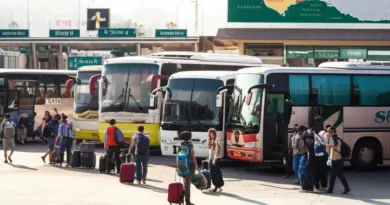
For travelers embarking on a journey through the serene landscapes and ancient temples of Laos, the question often arises: Why learn Lao? While English is spoken in the main tourist centers like Luang Prabang and Vientiane, venturing even slightly off the beaten path requires more than just pointing and smiling. Understanding the search intent behind this question reveals a deeper desire among visitors: not just to see Laos, but to truly experience its rich culture and engage respectfully with its people. Mastering a few essential phrases is the key to unlocking authentic interactions and navigating common traveler needs with grace and confidence.
The Imperative for Laos Tourism: Why Learn Lao?
The primary reason for incorporating Lao language into your travel preparation goes beyond mere convenience; it’s about respect and enriching your experience. Laos remains one of Southeast Asia’s least-developed nations in terms of widespread English literacy, especially outside the major cities. Relying solely on translation apps or gestures can often lead to misunderstandings, particularly in rural areas or when dealing with essential services like local markets or transportation.
Bridging the Cultural Divide
Lao people are known for their gentle nature and hospitality. Attempting to speak Lao, even poorly, demonstrates genuine effort and respect for their culture. This effort is often rewarded with warmth, better service, and sometimes even lower prices. It signals that you are a mindful visitor, not just a passing tourist. This cultural exchange is a core component of sustainable and responsible Laos tourism.
Enhancing the Travel Experience
From ordering the perfect bowl of Khao Piak Sen (rice noodle soup) to negotiating a fair price for a tuk-tuk ride, basic Lao phrases eliminate friction. Furthermore, when visiting temples or participating in local ceremonies, knowing key phrases related to etiquette (like ‘thank you’ and ‘excuse me’) ensures you comply with local customs without causing offense.
Understanding Traveler Needs and Search Intent
Travelers searching for ‘Lao phrases’ or asking ‘Why learn Lao?’ are typically driven by practical needs. They are looking for immediate, actionable knowledge that solves real-world problems during their trip. These needs fall into three main categories: safety, comfort, and authenticity.
Beyond the Tourist Bubble
While hotels and high-end restaurants cater to English speakers, the best food stalls, guesthouses, and remote trekking guides often do not. Being able to communicate simple needs (e.g., dietary restrictions, asking for the bill, confirming directions) significantly reduces travel stress and opens up opportunities to discover hidden gems that rely on local patronage.
Practical Communication Scenarios
The most common scenarios where basic Lao proficiency is invaluable include:
- Giving directions to a tuk-tuk driver or bus attendant.
- Asking for the price and negotiating at local markets.
- Ordering food and specifying preferences (spicy level, no meat, etc.).
- Handling minor emergencies or seeking assistance.
Mastering Essential Lao Phrases (The Survival Kit)
The Lao language uses tones, which can be challenging, but for basic interactions, pronunciation approximations are often sufficient. Focus on these core phrases to maximize your positive interactions.
Greetings and Basic Politeness
| English | Lao Phrase (Phonetic) | Context |
|---|---|---|
| Hello / Goodbye / How are you? | Sabaidee (ສະບາຍດີ) | The universal greeting. |
| Thank you | Khop jai (ຂອບໃຈ) | Use frequently and sincerely. |
| Yes / No | Jao (ເຈົ້າ) / Baw (ບໍ່) | Essential for clarity. |
| Excuse me / Sorry | Khaw thot (ຂໍໂທດ) | For bumping into someone or asking to pass. |
When negotiating a fare or asking for directions, clarity is paramount. Always confirm the price (Laka thao dai?) before getting into a tuk-tuk.
- Where is…?: Yuu sai? (ຢູ່ໃສ?)
- Go straight: Pai seu (ໄປຊື່)
- Turn left/right: Liao sai/khwaa (ລ້ຽວຊ້າຍ/ຂວາ)
- How much?: Laka thao dai? (ລາຄາທໍ່ໃດ?)
Shopping and Bargaining
In local markets, bargaining is expected but should be done with a smile and good humor. Start by asking for the price, and if you wish to negotiate, you can offer a lower price, often starting at 50-70% of the initial quote. Knowing Lao numbers is incredibly helpful here.
Essential Lao Etiquette for Respectful Travel
Language is intertwined with culture. Knowing these etiquette rules, often reinforced by simple Lao phrases, will ensure you leave a positive impression:
-
The ‘Nop’ (Wai)
The traditional greeting (hands pressed together in prayer position) usually accompanies Sabaidee. The height of the hands reflects the level of respect.
-
Head and Feet
The head is considered the highest and most sacred part of the body; never touch a Lao person’s head. The feet are the lowest and dirtiest; never point your feet at a person, Buddha image, or food.
-
Temple Decorum
Always remove your shoes before entering homes and most temples (wats). Dress modestly when visiting religious sites, covering shoulders and knees. This simple act of respect is universally understood, whether you speak Lao or not.
คำถามที่พบบ่อย (FAQ)
References
- Learning Basic Lao Phrases: A Traveler’s Cheat Sheet for Smooth Trips to Laos
- Top practical phrases for travelers: survival Lao for ordering food, asking for prices, transportation, and emergency help (with pronunciation guides)
- Cultural tips and etiquette: when to use polite particles, nonverbal cues, and respectful behavior to avoid misunderstandings