Understanding Travel Routes and Long-Distance Transport in Laos: Flights, Buses, Trains, and Private Transfers
- Understanding Travel Routes and Long-Distance Transport in Laos: Flights, Buses, Trains, and Private Transfers
Laos, often referred to as the ‘Land of a Million Elephants,’ is a country of breathtaking natural beauty, rich cultural heritage, and serene landscapes. For any traveler exploring this Southeast Asian gem, understanding the various Laos travel routes and long-distance transport options is crucial for a smooth and enjoyable journey. Whether you’re navigating its lush mountains, ancient cities, or tranquil rivers, a well-planned itinerary considering the available modes of transport can significantly enhance your experience. This guide provides an in-depth look into getting around Laos, from air travel to the newly established railway, buses, and private transfers.
Flights: The Fastest Way to Traverse Laos
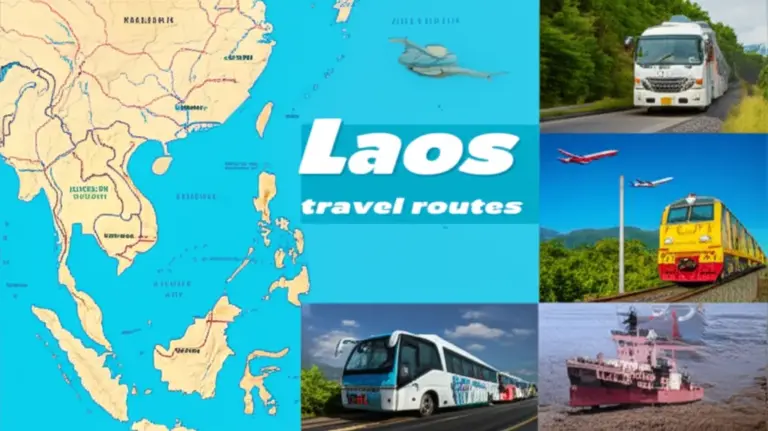
Given Laos’s mountainous terrain and sometimes challenging road conditions, domestic flights offer the quickest way to cover long distances. Lao Airlines is the national carrier, supplemented by Lao Skyway, providing essential connections between major cities and tourist hubs. Key routes typically link the capital Vientiane (Wattay International Airport – VTE) with Luang Prabang (Luang Prabang International Airport – LPQ) and Pakse (Pakse International Airport – PKZ) in the south. These flights drastically cut down travel time, transforming an arduous 10-hour bus journey into a comfortable 1-hour flight. While more expensive than ground transport, the time saved can be invaluable for travelers on a tight schedule. It’s advisable to book domestic flights in advance, especially during peak tourist seasons, as availability can be limited. Always check baggage allowances, as these can be more restrictive on smaller domestic carriers.
Bus Travel: The Backbone of Laos Transportation
For budget-conscious travelers and those seeking a more authentic local experience, buses remain the most popular mode of long-distance transport. The bus network in Laos is extensive, connecting nearly every town and city. You’ll find various types of buses, including local buses, VIP buses, and sleeper buses for overnight journeys.
- Local Buses: These are the cheapest option, often older, and make frequent stops. They offer a glimpse into local life but can be slow and less comfortable.
- VIP Buses: More comfortable, air-conditioned, and make fewer stops. They are a good compromise between cost and comfort for many Laos travel routes.
- Sleeper Buses: Ideal for long overnight journeys, offering bunk beds. While they save on accommodation costs, comfort levels can vary widely.
Major bus routes connect Vientiane with Luang Prabang, Vang Vieng, Pakse, and the 4000 Islands (Si Phan Don). Booking can be done at bus stations, through guesthouses, or travel agencies. Prices are generally affordable, but journeys can be long and sometimes bumpy due to road conditions. It’s wise to carry snacks, water, and motion sickness medication if needed. [2, 7]
Train Travel: A New Era with the Laos-China Railway
The most significant recent development in Laotian transport is the Laos-China Railway, which commenced operations in late 2021. This modern high-speed rail line has revolutionized travel between key destinations, offering a fast, comfortable, and scenic alternative to buses and even some flights. The railway connects Vientiane, Vang Vieng, and Luang Prabang, extending all the way to Boten near the Chinese border. [2, 5]
Why Choose the Train?
The train journey between Vang Vieng and Luang Prabang, for instance, takes less than an hour, a stark contrast to the 4-6 hour bus ride. This makes it an incredibly efficient option for popular Laos travel routes. Tickets can be booked at train stations or through local travel agents, as direct online booking for foreigners can be challenging. Booking in advance is highly recommended, especially during holidays, as tickets can sell out quickly. [2, 5, 8]
Private Transfers and Taxis: Convenience and Flexibility
For those valuing comfort, privacy, and flexibility, private transfers and taxis are an excellent choice. While more expensive, they offer door-to-door service, allow for unscheduled stops, and are ideal for groups or families.
- Taxis: Available in larger cities and at airports. Always negotiate the fare before starting your journey, or ensure the meter is used (though meters are less common for long distances).
- Private Cars/Minivans with Driver: Can be arranged through hotels, guesthouses, or travel agencies. This is particularly useful for journeys to more remote areas or for day trips where public transport is limited.
- Ride-Hailing Apps: While Grab is not widely available, a local app called ‘Loca’ functions similarly in Vientiane and some other major cities, offering a convenient way to book rides. [6] However, drivers may be limited, especially late at night. [6]
Private transfers are often the best option for navigating between towns without the constraints of public transport schedules, allowing you to explore at your own pace.
Laos shares borders with Thailand, Cambodia, Vietnam, China, and Myanmar, offering various entry and exit points. Popular cross-border Laos travel routes include the Thai-Lao Friendship Bridges (connecting to Nong Khai, Mukdahan, and Nakhon Phanom in Thailand) and overland routes to Vietnam and Cambodia. The Laos-China Railway also provides a direct link to China. For cross-border journeys, travelers typically use a combination of buses, minivans, and sometimes trains (for China). Always ensure you have the necessary visa and documentation for both Laos and the neighboring country. [2, 6]
Essential Travel Tips for Laos Transport
- Book in Advance: Especially for flights and train tickets, booking ahead can save you stress and ensure availability.
- Flexibility is Key: While infrastructure is improving, delays can occur, particularly with bus travel during the rainy season. Build some buffer time into your itinerary.
- Stay Connected: A local SIM card (e.g., from Unitel) can be invaluable for navigation and communication. [2]
- Cash is King: While some larger establishments accept cards, cash (Lao Kip, USD, or Thai Baht) is essential for most transport and local purchases. [2]
- Safety First: For motorbike rentals, ensure you have an international driver’s license and travel insurance. [2, 8] Always wear a helmet.
Understanding the nuances of transport in Laos is integral to planning your adventure. From soaring above the landscapes to rumbling through them by bus or gliding swiftly on the new railway, each mode offers a unique perspective on this captivating country. By combining these options, you can craft a travel experience that balances efficiency with immersive cultural engagement, making your journey through Laos truly unforgettable.
คำถามที่พบบ่อย (FAQ)
What is the fastest way to travel long distances in Laos?
The fastest way to travel long distances in Laos is by domestic flights, especially between major cities like Vientiane, Luang Prabang, and Pakse. Alternatively, the new Laos-China Railway offers high-speed connections between Vientiane, Vang Vieng, and Luang Prabang, significantly reducing travel times compared to buses. [2, 5]
Is the new Laos-China Railway safe and reliable for tourists?
Yes, the Laos-China Railway is considered safe and reliable. It’s a modern high-speed rail system offering comfortable and efficient travel between key destinations. However, it’s recommended to book tickets in advance through travel agents or at the station, as direct online booking for foreigners can be challenging and tickets sell out quickly. [5, 8]
How can I book bus tickets in Laos?
Bus tickets in Laos can typically be booked at local bus stations, through your guesthouse or hotel, or via various travel agencies located in tourist areas. Online booking platforms are also emerging, offering convenience for planning your Laos travel routes. [2]
Are private transfers expensive in Laos?
Private transfers are generally more expensive than public transport options like buses or trains. However, they offer convenience, flexibility, and door-to-door service, making them a worthwhile option for groups, families, or those seeking a higher level of comfort and direct travel to specific destinations. Prices should be negotiated in advance. [7]
What should I consider when planning my Laos travel routes?
When planning your Laos travel routes, consider the trade-offs between cost, time, and comfort. Flights are fastest but most expensive. The train is fast and comfortable for specific routes. Buses are budget-friendly but slower. Private transfers offer flexibility. Always factor in potential delays, especially during the rainy season, and book essential transport in advance. [2, 7]
References
- Everything You Need To Know About Laos (Travel Tips & Itinerary) – YouTube
- LAOS SPEED TRAIN everything you NEED to know – YouTube
- Laos Travel Guide 2025 | Everything You Need to Plan the Perfect Trip – YouTube
- How to Take the Public Bus in Vientiane Laos | PUBLIC TRANSPORTATION IN LAOS – YouTube
- How to Travel Northern Laos (2025) | 2 Week Itinerary – YouTube
- This Route Through Laos Shouldn’t Exist… But We Took It Anyway – YouTube
- Getting Around Laos: The Complete Traveler’s Guide to Transportation Options and Practical Tips
- Navigating Cities and Towns: Tuk-Tuks, Songthaews, Motorbike Rentals, and Ride-Hailing Apps
- Crossing Borders and Regional Connections: Overland Border Crossings to Thailand, Vietnam, Cambodia and International Bus Services