Planning Your Trip: Top Kayaking Routes, Caving Spots, What to Pack, and Guided vs. Independent Tours
- Planning Your Trip: Top Kayaking Routes, Caving Spots, What to Pack, and Guided vs. Independent Tours
- Kayaking in Laos: A Paddler’s Paradise
- Discovering Laos’ Underground Wonders: Caving Adventures
- Essential Packing List for Your Laos Adventure
- Guided vs. Independent Tours: Which is Right for You?
- Planning Your Dream Laos Adventure Trip
- คำถามที่พบบ่อย (FAQ)
- Is Laos safe for adventure travel?
- What is the best time of year for kayaking and caving in Laos?
- Do I need prior experience for kayaking or caving tours in Laos?
- Can I rent equipment for independent kayaking or caving?
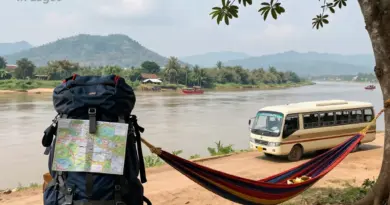
Laos, often called the ‘Land of a Million Elephants,’ is a jewel of Southeast Asia, offering a serene yet thrilling escape for the adventurous traveler. From its majestic karst landscapes to its tranquil rivers and mystical underground worlds, this landlocked nation promises unforgettable experiences. If you’re considering Laos adventure travel planning, this guide will navigate you through the exhilarating possibilities of kayaking, the mysterious depths of its caves, what essential gear to pack, and whether a guided tour or independent exploration suits your style. Get ready to embark on an epic journey through Laos’s natural wonders.
Kayaking in Laos: A Paddler’s Paradise
Kayaking in Laos offers a unique perspective of its stunning riverine landscapes, allowing you to glide past limestone karsts, verdant jungles, and traditional villages. The country’s rivers provide options for all skill levels, from gentle paddles to more exhilarating rapids. It’s an intimate way to connect with nature and observe daily life along the water.
Top Kayaking Routes
- Nam Song River, Vang Vieng: This is arguably the most popular kayaking destination in Laos, known for its picturesque karst scenery and gentle to moderate rapids, making it suitable for beginners. Many tours combine kayaking with caving or tubing, offering a full day of adventure. You’ll paddle past stunning cliffs and lush rice fields, often stopping at riverside bars or caves. [22, 25, 27, 30, 31, 37]
- Nam Ou River, Luang Prabang/Northern Laos: Flowing through dramatic northern landscapes, the Nam Ou is a significant waterway. Kayaking here offers clear waters, opportunities to spot local fish, and can be combined with visits to the sacred Pak Ou Caves. It provides a mix of serene stretches and some exciting rapids. [12, 20, 23, 28, 32]
- Mekong River, 4000 Islands (Si Phan Don): In the far south of Laos, the Mekong broadens into a vast archipelago known as the 4000 Islands. Kayaking tours here can lead to encounters with the rare Irrawaddy dolphins and take you close to the mighty Khone Phapheng Waterfalls, Southeast Asia’s largest. [15, 21, 34]
- Nam Tha River, Luang Namtha: For those seeking a more immersive, multi-day experience, the Nam Tha River in northern Laos flows through the Nam Ha National Protected Area, offering chances to visit remote ethnic minority villages and explore pristine jungle. [33]
Guided Kayaking Tours
Most kayaking excursions in Laos are offered as guided tours, especially in popular areas like Vang Vieng and Luang Prabang. These tours typically include transportation, equipment (kayak, paddle, life vest), a knowledgeable English-speaking guide, and often combine kayaking with other activities like caving, tubing, or visiting local villages. They are an excellent option for safety, convenience, and gaining local insights. [22, 25, 27, 30, 31, 37]
Independent Kayaking
While less common for multi-day trips, independent kayaking can be arranged for shorter excursions, particularly if you’re an experienced paddler. Some guesthouses or rental shops in Vang Vieng or Nong Khiaw might offer kayak rentals. However, for safety and logistical reasons, especially on less-trafficked rivers, a guided tour is generally recommended.
Discovering Laos’ Underground Wonders: Caving Adventures
Laos boasts an extraordinary network of limestone caves, ranging from easily accessible caverns to vast, remote underground rivers. Exploring these geological marvels is a highlight for many visitors, offering a blend of adventure, natural beauty, and sometimes, historical significance.
Must-Visit Caving Spots
- Kong Lor Cave, Khammouane Province: A true geological wonder of Southeast Asia, Kong Lor Cave is a 7.5-kilometer long river cave that you traverse by motorized longtail boat. The Nam Hin Bun River flows through it, revealing massive chambers, impressive stalactites, and a stunning emerald-colored pool. It’s a key attraction for those undertaking the Thakhek Loop. [2, 3, 6, 7, 9, 13, 14, 16, 18, 19, 24, 29]
- Tham Phu Kham Cave and Blue Lagoon, Vang Vieng: Located near the famous Blue Lagoon, this cave offers a chance to explore a sacred Buddha cave before cooling off in the turquoise waters of the lagoon. It’s a popular spot for both adventure and relaxation. [13]
- Pak Ou Caves, Luang Prabang: These sacred caves, located at the confluence of the Mekong and Nam Ou rivers, house thousands of Buddha statues left by pilgrims over centuries. Accessible by boat, they offer a unique cultural and spiritual experience. [2, 13, 26, 28, 37]
- Vieng Xai Caves, Houaphanh Province: For history enthusiasts, these extensive limestone caves served as a hidden city and headquarters for the Pathet Lao during the Secret War. Exploring them offers a poignant glimpse into Laos’s past. [2, 14, 18, 19]
Caving Safety Tips
Always go with a reputable local guide, especially for more challenging caves. Wear appropriate footwear with good grip, and bring a headlamp or flashlight. Be mindful of slippery surfaces and respect any local customs or sacred sites within the caves.
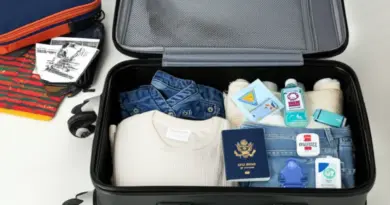
Essential Packing List for Your Laos Adventure
Packing smart is crucial for a comfortable and enjoyable trip to Laos, given its tropical climate and the nature of adventure activities. Here’s a comprehensive list to ensure you’re well-prepared:
| Category | Essential Items | Notes |
|---|---|---|
| Clothing & Footwear |
|
For hot, humid climate and respecting cultural sites. Water shoes are vital for caving and kayaking. [4, 8, 11] |
| Gear & Accessories |
|
To keep electronics dry during water activities and for dark caves. A filter bottle helps reduce plastic waste. [4, 5, 10, 11, 13, 14, 25] |
| Health & Safety |
|
Protect against sun, insects, and minor injuries. [4, 11, 25] |
| Documents & Money |
|
Keep documents secure and accessible. ATMs are available in major towns. [4, 5, 11] |
Guided vs. Independent Tours: Which is Right for You?
Deciding between a guided tour and independent travel depends on your preferences, budget, and comfort level. Both offer distinct advantages for exploring Laos.
Advantages of Guided Tours
- Convenience: All logistics, from transport and accommodation to activities, are handled for you.
- Safety & Security: Experienced local guides provide expertise, navigate challenges, and ensure your well-being.
- Cultural Immersion: Guides offer deep insights into local customs, history, and hidden gems.
- Social Aspect: Great for meeting fellow travelers and making new friends.
Many tour operators in Laos offer a wide range of packages, from short day trips to multi-week adventures. While they can sometimes be more expensive, the peace of mind and comprehensive experience often outweigh the cost. [37, 39, 40, 41]
Benefits of Independent Travel
- Flexibility: You set your own pace, itinerary, and can change plans spontaneously.
- Cost-Effective: Potentially more budget-friendly as you control all expenses.
- Personal Growth: Navigating challenges independently can be incredibly rewarding and build confidence.
- Authenticity: More opportunities for unplanned interactions with locals and discovering off-the-beaten-path locations.
Independent travel requires more research and planning, and can sometimes feel overwhelming or lonely. However, Laos is generally considered safe and budget-friendly for solo travelers, with good infrastructure in tourist areas. [38, 40, 41]
Making Your Choice
Consider a hybrid approach: book guided day trips for specific activities like caving or multi-day treks, but handle your own transport and accommodation between major towns. This allows you to experience the best of both worlds – expert guidance for challenging activities and the freedom to explore at your leisure.
Planning Your Dream Laos Adventure Trip
With its breathtaking landscapes and welcoming culture, Laos offers an unparalleled adventure travel experience. Whether you’re navigating the serene Nam Song River by kayak, exploring the colossal Kong Lor Cave, or simply soaking in the local atmosphere, careful Laos adventure travel planning will ensure a smooth and memorable journey. Embrace the tranquility and excitement that this beautiful country has to offer.
คำถามที่พบบ่อย (FAQ)
References
- Asia King Travel – Top 5 caves you cannot miss when visiting Laos
- Wikipedia – Tham Kong Lo
- ClickUp – Travel Packing Checklist For Laos Weather in Summer
- Coordinotes – A Full Guide to the Kong Lor Cave, Laos
- Backpackers Wanderlust – Kong Lor Cave, Laos: ULTIMATE Guide
- Arcido – Packing List for Laos
- Laos-Adventures.com – What to bring to Laos
- Laos e-visa – Packing Checklist for a Laos Trip
- YouTube – Kayaking trip in North Laos, Nong Khiaw
- Hanoi Voyages – Top 7 must-see caves in Laos for your trip
- Visit Laos – Untouched Nature – Caving
- YouTube – 4000 ISLANDS, LAOS | Adrenaline filled Kayak Tour on the Mekong!
- 360nomad – Kong Lor Cave – Complete Guide
- YouTube – Kayaking and Tubing in VANG VIENG, LAOS
- TravelAuthenticAssia.com – Top 5 Most Attractive Caves in Laos
- YouTube – Kayaking on the NAM OU RIVER in Nong Khiaw
- YouTube – KAYAKING 4000 Islands in Laos
- Traveler’s Universe – Vang Vieng: Nam Song River Kayak Tour
- explore laos – Kayaking the Nam Ou River
- YouTube – The MOST FAMOUS RIVER CAVE in Laos | Kong Lor Cave – Thakhek Loop
- Wonderful Tours – Half day kayaking on Nam Song River
- YouTube – Laos Pak Ou caves
- Discover Laos – Half-Day Kayaking on Nam Song River (10km)
- Manifa Travel – Kayak
- YouTube – Amazing Kong Lor Cave in Laos , Spectacular
- VietLong Travel – Vang Vieng Kayaking Tours on Nam Song River to Villages
- GetYourGuide – Nam Song River, Vientiane Prefecture – Book Tickets & Tours
- Laos-Adventures.com – Rafting & Kayaking, Laos Kayak tour
- Forest Retreat Laos – Kayak Trips Laos
- Southeast Asia Backpacker – Kayaking The 4000 Islands, Laos
- YouTube – Best Kept SECRET of Vang Vieng LAOS | Closer Than You Think
- TourRadar – 10 Best Laos Tours & Trips 2025/2026
- Go Laos Tours – Ultimate Guide for Solo Travel in Laos
- On The Go Tours – The Best Laos Tours 2025/2026
- GoAbroad.com – Comparing Guided, Self-Guided, and Independent Travel
- YouTube – First-timer’s Travel Guide to Laos – All you need to know to visit Laos | Solo in Laos Ep. 7
- Kayaking and Caving in Vang Vieng: The Ultimate Adventurer’s Guide to Planning, Safety, and Local Tips
- Why Vang Vieng Is a Kayaker and Caver’s Paradise — Best Seasons, Access, and What to Expect
- Safety, Conservation, and Local Regulations: River Conditions, Cave Hazards, Permits, and Responsible Adventure Practices