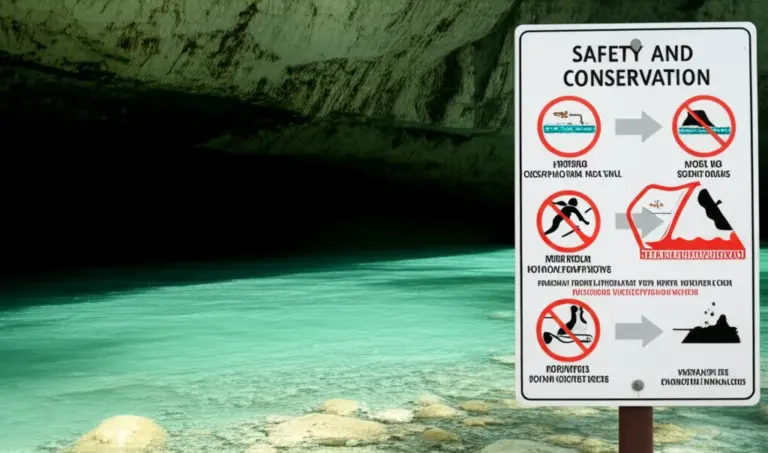
Safety, Conservation, and Local Regulations: River Conditions, Cave Hazards, Permits, and Responsible Adventure Practices
- Safety, Conservation, and Local Regulations: River Conditions, Cave Hazards, Permits, and Responsible Adventure Practices
Laos, the “Land of a Million Elephants,” beckons adventurers with its pristine rivers, mystical caves, and lush landscapes. While the allure of its untouched beauty is undeniable, embarking on an adventure in this captivating country requires a mindful approach. This comprehensive guide focuses on ensuring your journey is not only thrilling but also safe, sustainable, and respectful of local customs and environments. We delve into essential aspects of Safety, Conservation, and Local Regulations: River Conditions, Cave Hazards, Permits, and Responsible Adventure Practices, providing vital information for every traveler seeking an authentic and impactful experience in Laos.
Understanding Laos’ Unique Adventure Landscape
Laos offers a diverse range of adventure activities, from tubing down the Nam Song River in Vang Vieng to exploring the vast underground systems of Kong Lor Cave. Its natural beauty is largely unspoiled, providing incredible opportunities for trekking, kayaking, caving, and more. However, this raw beauty also means that infrastructure and safety standards might differ from what travelers are accustomed to in more developed nations. A responsible adventurer understands that personal preparedness and adherence to local guidelines are paramount. [4, 6]
The Allure of Laos’ Rivers and Caves
The country’s karst topography has created thousands of caves, many of which are still largely unexplored, offering a sense of true discovery. Rivers like the Mekong and its tributaries serve as vital arteries, providing not only transportation but also popular spots for water-based activities. These natural wonders are a huge draw for tourists, promising unforgettable experiences. [3, 5, 7, 8]
Balancing Adventure with Responsibility
The growing popularity of adventure tourism in Laos brings both economic benefits and environmental challenges. Balancing the thrill of adventure with the imperative of preserving Laos’ natural and cultural heritage is crucial. This involves making informed choices, supporting ethical operators, and minimizing your ecological footprint.
Laos’ rivers are dynamic and can pose risks if not treated with respect. Understanding their behavior and taking proper precautions is essential for activities like kayaking, tubing, or swimming. [6]
Seasonal Variations and Water Levels
Laos experiences distinct dry and rainy seasons. The rainy season (May to October) brings heavy rainfall, causing rivers to swell rapidly, currents to strengthen, and water levels to rise significantly. This can make activities like tubing or kayaking more dangerous. The dry season (November to April) generally offers calmer conditions, though water levels can be lower. Always check local conditions and forecasts before planning water activities. [4, 6]
Essential River Safety Practices
Safety First on the Water:
- Always wear a life jacket, even if you are a strong swimmer.
- Avoid swimming or tubing alone. Go with a group or a reputable local operator.
- Be aware of currents, submerged objects, and potential obstacles.
- Do not consume excessive alcohol before or during water activities.
- Follow all instructions from guides and respect local advice. [6, 10]
Local Guides and Equipment
Hiring experienced local guides is highly recommended for river excursions. They possess invaluable knowledge of the river’s conditions, safe routes, and emergency procedures. Ensure that any equipment provided, such as life jackets and kayaks, is in good condition and fits properly. [10]
Mitigating Cave Hazards and Ensuring Safety
Laos’ caves are geological marvels, but exploring them comes with inherent risks. Proper preparation and respect for the environment are key to a safe and enjoyable caving experience. [3, 5, 7, 8]
Common Cave Risks
Preparation for Cave Exploration
Always explore caves with a certified guide, especially for less-developed or challenging systems. Wear appropriate footwear with good grip, and bring multiple reliable light sources (headlamp with spare batteries, flashlight). Helmets are crucial for head protection. Consider bringing insect repellent as caves can be home to various insects. [3, 8]
Respecting the Cave Environment
Caves are fragile ecosystems. Do not touch stalactites or stalagmites, as the oils from your skin can halt their growth. Avoid disturbing bats or other cave dwelling creatures. Never leave trash behind, and stick to marked paths to minimize impact. Many caves also hold spiritual significance for locals, so act respectfully. [8]
Permits and Local Regulations: What You Need to Know
Navigating the legal landscape of a foreign country is a key part of responsible tourism. Laos has specific regulations concerning tourism, especially for certain activities and protected areas. Adhering to these laws helps ensure a smooth trip and supports the local governance and conservation efforts. [4, 9]
Why Permits Matter
Permits are often required for visiting national parks, engaging in specific adventure sports, or accessing certain cultural sites. These fees contribute directly to the maintenance of these areas, conservation programs, and the livelihoods of local communities. Operating without proper permits can lead to fines, legal issues, or even deportation.
Common Permits for Adventure Activities
While specific requirements can vary, common activities that may require permits or be regulated include: trekking in protected areas (like Nam Ha National Protected Area), caving in certain systems, and engaging in organized river tours. Always book through reputable tour operators who will handle the necessary permits on your behalf.
Adhering to Local Laws and Customs
Beyond permits, understanding and respecting local laws and cultural norms is vital. This includes: dressing modestly, especially when visiting temples or rural areas; removing shoes before entering homes or temples; avoiding public displays of affection; and refraining from illegal drug use, which carries severe penalties. Always be polite and patient, as the Lao people are known for their gentle and hospitable nature. [4, 6, 9]
Embracing Responsible Adventure Practices
Responsible adventure extends beyond personal safety to encompass a broader commitment to the environment and local communities. It’s about ensuring your visit leaves a positive legacy.
Environmental Conservation Efforts
Laos’ natural beauty is its greatest asset. Practice “Leave No Trace” principles: pack out everything you pack in, dispose of waste properly, and minimize your impact on vegetation and wildlife. Support eco-tourism initiatives that actively contribute to conservation. Be mindful of water usage and avoid single-use plastics where possible. [12, 13]
Supporting Local Communities
Choose locally owned guesthouses, restaurants, and tour operators. Purchase handicrafts directly from artisans. This ensures that your tourism dollars directly benefit the local economy and people. Engage with communities respectfully, learning about their way of life and traditions. [12, 13]
Cultural Sensitivity
Laos is a predominantly Buddhist country with deep cultural roots. Show respect for religious sites and practices. Ask for permission before taking photos of people, especially children. Learn a few basic Lao phrases; a simple “Sabaidee” (hello) goes a long way. Avoid public displays of anger or excessive loudness. [6, 9, 12]
Practical Tips for a Safe and Responsible Trip
คำถามที่พบบ่อย (FAQ)
Is Laos generally safe for tourists?
Yes, Laos is generally considered safe for tourists. Violent crime is rare, and locals are known for their hospitality. However, petty theft can occur, and it’s essential to be aware of your surroundings and exercise caution, especially with transportation and adventure activities. [4, 9]
What are the best practices for responsible tourism in Laos?
Responsible tourism in Laos involves respecting local culture and customs (dressing modestly, removing shoes in temples), supporting local businesses, minimizing your environmental impact (e.g., reducing plastic use, not littering), and being mindful of wildlife and fragile ecosystems. [6, 12, 13]
Are permits required for all adventure activities in Laos?
Not all, but many adventure activities, especially those in national protected areas or specific cave systems, do require permits. It’s best to book through reputable tour operators who will secure the necessary permissions for you. Always inquire about permits for specific activities.
How do river conditions change throughout the year in Laos?
River conditions vary significantly with the seasons. The rainy season (May to October) brings higher water levels and stronger currents, making some activities more challenging or dangerous. The dry season (November to April) typically has lower, calmer waters. Always check current conditions and heed local advice before engaging in water activities. [4, 6]
What should I do if I encounter unexploded ordnance (UXO)?
If you encounter any suspicious metal objects, especially in rural areas, do not touch them. Mark the location if possible and report it immediately to local authorities or your tour guide. Stick to well-worn paths and avoid venturing into unmarked areas, particularly in provinces known for UXO contamination. [4, 6]
Conclusion
Laos offers an unparalleled adventure experience, rich in natural beauty and cultural depth. By prioritizing Safety, Conservation, and Local Regulations: River Conditions, Cave Hazards, Permits, and Responsible Adventure Practices, travelers can ensure their journey is not only memorable but also contributes positively to the country and its people. Embrace the spirit of responsible exploration, and you’ll discover the true magic of Laos while helping to preserve it for future generations.
References
- Discover Laos: Expert Tips for Staying Safe in Laos
- Asia King Travel: Top 5 caves you cannot miss when visiting Laos
- Indochina Charm Travel: Is Laos Safe to Travel To? A Complete Safety Guide
- TripXL: Laos Caves: Unveiling The Most Beautiful And Mystical Underground Landscapes In Laos
- Offvisa.com: Staying Safe in Laos: Essential Travel Tips
- Visit Laos: Caving
- Hanoi Voyages: Top 7 must-see caves in Laos for your trip
- Asia Viva Travel: Is Laos Safe to Travel? A Complete Guide for Tourists
- Fast Cover Travel Insurance: Laos Travel Guide: Safety Tips & Travel Advice for Laos
- Responsible Travel: Responsible tourism in Laos
- YouTube: Sustainable Places to Visit in Laos