When to Visit and How to Plan Your Trip: Best Seasons, Permits, Guided Tours, and Local Logistics for Birdwatching
- When to Visit and How to Plan Your Trip: Best Seasons, Permits, Guided Tours, and Local Logistics for Birdwatching
Laos, the landlocked gem of Southeast Asia, offers an untapped paradise for avian enthusiasts. Far less developed than its neighbors, its vast National Protected Areas (NPAs) harbor unique and often endangered species, making a trip here a profound experience for serious birders. For those planning a dedicated trip focusing on birdwatching in laos, understanding the local ecology, logistics, and timing is crucial for success. This comprehensive guide details everything you need to know, from securing the right permits to navigating remote protected areas, ensuring your adventure is both rewarding and responsible.
The Best Time for Birdwatching in Laos: Seasons and Species
Laos experiences a tropical monsoon climate, which dictates the best periods for birding. Timing your visit correctly can dramatically increase your chances of spotting rare resident species and migratory visitors.
Dry Season (October to April): Peak Birding
The dry season is universally considered the optimal time for birdwatching in laos. From October to April, the weather is cooler and drier, making travel easier and trails more accessible. Crucially, as water sources shrink, birds congregate around remaining pools and rivers, increasing visibility. This period also coincides with the arrival of winter migrants from the north, boosting species diversity.
The peak months for activity and comfortable weather are generally November through February.
Wet Season (May to September): Nesting and Challenges
While the wet season brings lush greenery and the breeding plumage of resident birds, it presents significant logistical challenges. Heavy rains can render remote roads impassable, and increased foliage makes spotting difficult. However, May and June are key nesting months, offering unique behavioral observations. If you choose this time, focus on easily accessible areas or prepare for rugged conditions and potential delays.
Essential Planning: Permits, Regulations, and Conservation
Laos is highly protective of its natural resources, and most prime birding locations are situated within National Protected Areas (NPAs). Access to these areas is strictly regulated, often requiring permits and the accompaniment of local guides.
- **Entry Permits:** A standard entry fee is required for most NPAs. These fees are usually managed by the local community or provincial government and contribute to conservation efforts.
- **Local Guides:** It is highly recommended, and often mandatory, to hire local guides. They possess crucial knowledge of bird territories, safety protocols, and local culture. Many ecotourism projects are set up to directly benefit the villages surrounding the NPAs.
- **Conservation Focus:** Always adhere to ‘leave no trace’ principles. Avoid disturbing nesting sites and ensure your binoculars and cameras are your only tools.
Choosing Your Birdwatching Destination in Laos
Laos offers diverse habitats, from limestone karsts and evergreen forests to wetlands and dry dipterocarp forests, each hosting a unique avifauna. Three locations stand out for their accessibility and species richness.
Phou Khao Khouay National Protected Area (NPKPA)
Located close to the capital, Vientiane, Phou Khao Khouay is easily accessible and features diverse forest types. Key targets here include the Siamese Fireback, various species of woodpeckers, and the possibility of seeing hornbills. Its proximity to Vientiane makes it perfect for shorter birding excursions.
Xe Pian National Protected Area
Situated in the southern provinces of Champasak and Attapeu, Xe Pian is renowned for its wetlands and dry dipterocarp forests. This area is critical for species like the White-winged Duck, Giant Ibis, and various storks. The infrastructure here is more focused on ecotourism, often involving community-run guesthouses and boat trips along the wetlands.
The Bolaven Plateau and Southern Laos
The cooler, higher altitude forests of the Bolaven Plateau offer a different set of species, including several warblers and flycatchers unique to montane habitats. While the plateau is famous for coffee, its surrounding forests remain vital for bird conservation. This region is best explored as part of a longer southern circuit, linking up with Xe Pian.
Guided Tours vs. Self-Guided Adventures
While independent travel is possible in Laos, organized tours offer significant advantages for specialized activities like birding.
| Feature | Guided Tour | Self-Guided |
|---|---|---|
| **Access & Permits** | Handled entirely by the operator. Essential for remote NPAs. | Requires significant pre-planning and local liaison. |
| **Expertise** | Access to expert ornithologists and local spotters. | Relies solely on personal knowledge and field guides. |
| **Logistics** | Transport, accommodation, and food are pre-arranged. | Requires navigating challenging rural roads and language barriers. |
| **Cost** | Higher upfront cost. | Potentially lower, but risk of wasted time or failed sightings is higher. |
For first-time visitors focusing on high-value targets, a reputable tour operator specializing in **birdwatching in laos** is the most efficient and reliable option. They ensure ethical engagement with wildlife and local communities.
Local Logistics: Accommodation, Transport, and Gear
**Accommodation:** In major cities (Vientiane, Luang Prabang, Pakse), standard hotels are plentiful. Near NPAs, expect eco-lodges or simple, community-run guesthouses (often called *“boun”* or village stays). These basic accommodations are often the most authentic and contribute directly to local economies.
**Transport:** Travel between major hubs is usually by bus or domestic flight. However, reaching remote birding sites almost always requires hiring a 4×4 vehicle or using local *songthaews* (shared trucks). Always secure transport with a reliable driver, especially during the shoulder season when unexpected rain can affect road conditions.
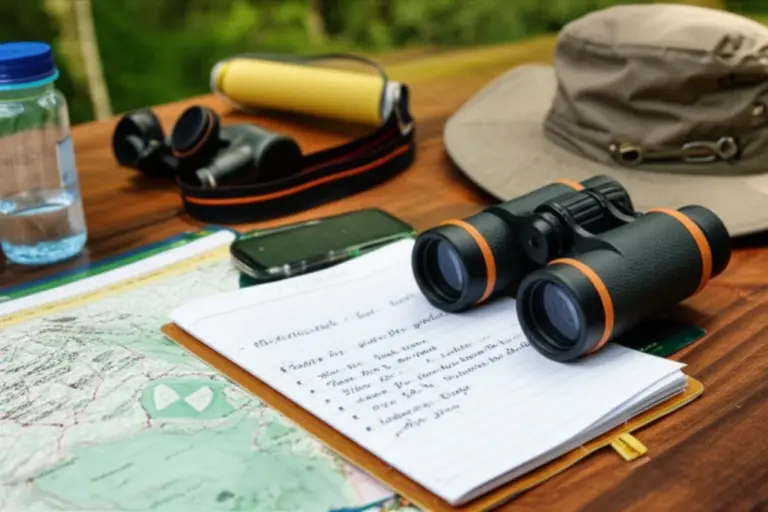
**Essential Gear:** High-quality binoculars (8×42 or 10×42), a reliable scope for wetland birding, lightweight long-sleeved clothing for sun and insect protection, and a comprehensive field guide specific to Southeast Asian birds are indispensable. Don’t forget powerful insect repellent, especially if traveling during the warmer months.
คำถามที่พบบ่อย (FAQ)
References
- BirdLife International: Laos Country Profile and Key Biodiversity Areas
- Laos National Ecotourism Strategy and Action Plan
- Guidelines for Responsible Wildlife Tourism in Southeast Asia
- Bird Watching in Laos: Ultimate Guide to Top Destinations, Best Seasons, and Species to Spot
- Best Regions and Birding Hotspots in Laos: Where to Go for Rare and Endemic Species (Kuang Si, Nam Et-Phou Louey, Phou Hin Poun)
- What Birds You’ll See: Key Species to Spot by Region with Identification Tips and Recommended Viewing Sites