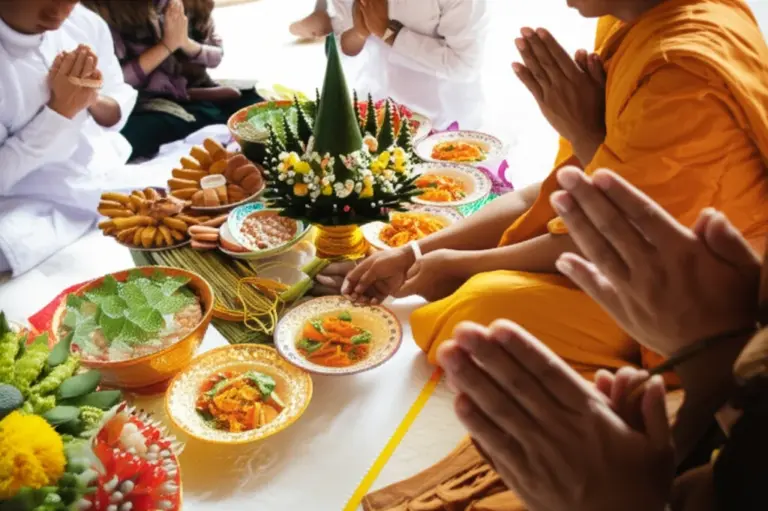
Step-by-step Baci ritual: preparations, tying of khene threads, prayers, and the sequence of blessings
- Step-by-step Baci ritual: preparations, tying of khene threads, prayers, and the sequence of blessings
The Essence of the Baci Ritual
The Baci is held for virtually all significant life events: welcoming guests, weddings, births, housewarmings, recovering from illness, and before embarking on a long journey. The core belief is that during times of stress, illness, or travel, the *kwan* may wander away, leaving the person vulnerable. The ceremony is a communal effort to call the spirits back and secure them in the body using white cotton threads, thus restoring harmony and good fortune. Understanding the **Baci ritual** is key to appreciating the deep spiritual fabric of Lao society.
Step 1: Essential Preparations (The *Pha Khuan*)
The preparation of the *Pha Khuan* (the offering tray) is the first and most critical step. This elaborate centerpiece is typically prepared by elderly women in the community. It symbolizes the meeting point of the souls and the physical world.
Anatomy of the *Pha Khuan*
- **The Structure:** A tall, conical, tiered structure made from banana leaves and flowers (often marigolds, symbolizing cheerfulness, and *dok huck*, symbolizing love) is placed on a silver or brass tray.
- **Khene Threads:** White cotton threads (the *khene threads*) are draped over the conical structure. These threads are the spiritual conduits that will later be tied onto the participants’ wrists.
- **Offerings:** The tray is surrounded by symbolic food offerings: hard-boiled eggs (symbolizing the fetus and fertility), fruits, sweets, sticky rice (*khaotom*), and often a bottle of Lao rice whisky for purification.
| Item | Symbolic Meaning |
|---|---|
| White Cotton Threads | Securing the *kwan* (souls) and connecting the community. |
| Hard-Boiled Eggs | Fertility, new life, and the completeness of the body. |
| Marigold Flowers | Good cheer, brightness, and a welcoming atmosphere. |
Step 2: The Prayers and Chanting (The *Mor Phon*’s Role)
The ceremony begins with all participants sitting respectfully around the *Pha Khuan*. The person(s) being honored sits closest to the offering tray, facing the *Mor Phon*. The *Mor Phon* (or *Maw Pawn*) is the spiritual leader—a respected, knowledgeable elder, often an ex-monk. They are the master of the ceremony who conducts the spiritual invocation.
Invocation and Silence
- **Lighting the Candle:** The *Mor Phon* lights a candle atop the *Pha Khuan* and asks the main recipient to place their hands (palms down) on the edge of the tray.
- **The Chanting:** The *Mor Phon* begins chanting in the religious Pali language, sometimes quoting ancient Lao poetry or proverbs. This is the *pitee hiek kwan*, the ‘calling of the *kwan*.’ The prayers invoke both Buddhist deities and animist spirits to guide the wandering souls back to the body.
- **Communal Connection:** All attendees must remain silent, holding the cotton threads or lightly touching the person in front of them, creating a spiritual circuit to channel the blessings from the *Pha Khuan* through the community.
- **The Call:** At a specific point, the *Mor Phon* or attendees will collectively whisper/chant the phrase: *“Ma der khuan euy”* (Please come, spirits!). Sometimes, rice grains are thrown gently over the heads of the participants, symbolizing good luck and the returning spirits.
Step 3: Tying of the Khene Threads and Sequence of Blessings
The culmination of the **Baci ritual** is the physical act of tying the white cotton threads. This is the moment the called-back souls are secured, and the blessings are physically bound to the recipient.
The Tying Sequence
First, the *Mor Phon* ties the initial threads onto the wrists of the person(s) being honored, murmuring powerful blessings for health, long life, and prosperity. They may also brush the recipient’s hands with the threads, saying, *“Hai Kuard Nnee, Dee Kuard Kao”* (Bad is swept out, good is swept in). After this initial blessing, the ceremony opens up to all participants.
**The Sequence:**
- **Elders First:** The most senior family members and respected elders follow the *Mor Phon*, tying threads and offering personalized, whispered blessings.
- **All Participants:** Guests and other family members join in, tying threads onto the wrists of the honored person and then to each other. It is customary to tie the threads gently, ensuring not to cut off circulation, and to whisper a heartfelt wish or blessing while tying the knot.
- **Offerings:** Sometimes, a small banknote may be rolled up and tied into a thread for the host, or symbolic items from the *Pha Khuan* (like a boiled egg or a glass of Lao-Lao whisky) are placed in the recipient’s hand before the tying.
Experiencing the Baci: A Traveler’s Guide
For tourists, witnessing or participating in a Baci is a highlight of a trip to Laos, particularly in cultural centers like Luang Prabang. If you are invited, dress modestly, sit respectfully, and maintain silence during the *Mor Phon’s* chanting. It is considered disrespectful to refuse a tied thread.
คำถามที่พบบ่อย (FAQ)
The main purpose of the Baci, or Sou Khuan, is to call the 32 *kwan* (souls or spirits) back to the body of a person or persons, securing them with the white cotton threads to restore spiritual harmony, health, good fortune, and prosperity.
The *Pha Khuan* is the elaborate, conical offering tray made of banana leaves, flowers, and cotton threads. It is the sacred centerpiece of the ceremony, acting as the spiritual focal point where the souls are called and the blessings are collected before being distributed to the participants.
It is traditionally recommended to keep the Baci cotton threads on your wrist for a minimum of three full days (72 hours) to maximize the blessings. After this period, it is considered best to let them fall off naturally or to gently untie them, never cutting them with scissors or a knife.
The *Mor Phon* (or *Maw Pawn*) is the master of the Baci ceremony. This is typically a respected, knowledgeable elder or spiritual leader in the community, often an ex-monk, who leads the chanting of prayers and performs the initial tying of the blessing threads.
References
- Lao Heritage Foundation: Baci Ceremony
- Kampá Tour: The Baci Ceremony in Laos
- Laos Guide 999: Baci Ceremony – Lao National Custom of Blessing
- The Baci Ceremony: A Complete Guide to Meaning, Ritual Steps, Cultural Etiquette, and How to Experience a Traditional Lao Blessing
- What is the Baci Ceremony? Origins, spiritual meaning, and its role in Lao culture and life events
- What to bring, wear, and say: cultural etiquette, respectful participation for visitors and hosts