What to Expect at Workshops and Co‑ops: Demonstrations, Hands‑On Classes, and Cultural Etiquette
- What to Expect at Workshops and Co‑ops: Demonstrations, Hands‑On Classes, and Cultural Etiquette
When traveling through the serene landscapes of Laos, one of the most enriching ways to connect with the local spirit is through its vibrant artisan culture. From the mist-covered mountains of the north to the tranquil river islands of the south, traditional crafts remain a cornerstone of Laotian identity. Understanding What to Expect at Workshops and Co‑ops is essential for any traveler looking to go beyond mere sightseeing and engage in meaningful cultural exchange.
The Atmosphere of Laotian Artisan Co-ops
Artisan co-ops in Laos are often community-run spaces where the pace of life slows down. Unlike commercial factories, these centers serve as social hubs where weavers, potters, and carvers gather to work and share stories. When you step into a co-op, expect a warm, humble welcome. The environment is usually open-air, filled with the rhythmic sounds of wooden looms or the earthy scent of drying clay.
What to Expect at Workshops and Co‑ops: Demonstrations
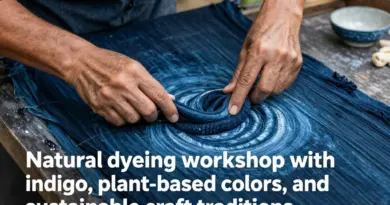
Demonstrations are the most common way visitors interact with local crafts. These are typically passive but highly educational experiences where a master artisan showcases their skill. You might see the intricate process of natural dyeing, where plants like indigo and jackfruit wood are transformed into vibrant pigments, or the delicate art of silk reeling.
- Observation: You are encouraged to watch closely and take photos (always ask first).
- Storytelling: Translators or English-speaking guides often explain the symbolic meanings behind patterns.
- Duration: Demonstrations usually last 15 to 30 minutes.
Hands-On Classes: Getting Your Hands Dirty
For those seeking a deeper dive, hands-on classes offer a tactile connection to Laotian heritage. These sessions can range from a half-day bamboo weaving workshop to a multi-day intensive in traditional silk weaving. You will be paired with a mentor who guides your movements, often through gesture and example rather than just verbal instruction.
| Activity | Skill Level | Typical Outcome |
|---|---|---|
| Bamboo Weaving | Beginner | A small basket or coaster |
| Natural Dyeing | Beginner | A hand-dyed silk scarf |
| Pottery (Ban Chan) | Intermediate | A traditional clay bowl |
| Silver Smithing | Advanced | A custom silver ring |
Cultural Etiquette and Respectful Engagement
Laos is a country deeply rooted in Buddhist traditions and social hierarchies. When visiting a workshop or co-op, observing proper etiquette is paramount to ensure a respectful experience for both you and the artisans.
- Dress Code: Wear modest clothing that covers your shoulders and knees. This is a sign of respect for the artisans and the spiritual significance often tied to their work.
- The ‘Nopp’: Use the traditional Laotian greeting (palms together at chest height) when meeting elders or master artisans.
- Touching Heads and Feet: Never touch an artisan’s head, as it is considered the most sacred part of the body. Conversely, keep your feet tucked away and never point them at people or sacred objects.
- Patience is Key: In Laos, the concept of ‘Sabaidee’ (well-being/happiness) extends to work. Do not rush the process or show frustration if a technique is difficult to master.
Supporting the Community: Shopping and Tipping
Most co-ops have a small gallery or shop where finished products are sold. Purchasing directly from these shops ensures that the majority of the profit goes back to the artisans. While bargaining is common in street markets, it is generally discouraged in formal artisan co-ops where prices are fixed to reflect fair wages for the labor-intensive work involved.
คำถามที่พบบ่อย (FAQ)
References
- Silk Weaving Villages Near Luang Prabang: Where to Visit, What to Learn, and How to Support Local Weavers
- Best Silk Weaving Villages to Visit Near Luang Prabang: Maps, Travel Times, and Recommended Tours
- Traditional Techniques and Materials: From Mulberry Silk Farming to Ikat and Lao Motifs Explained