What is Lao cuisine? Origins, key ingredients, and regional influences that define Luang Prabang’s flavors
- What is Lao cuisine? Origins, key ingredients, and regional influences that define Luang Prabang’s flavors
For travelers seeking an authentic taste of Southeast Asia, understanding Lao cuisine is essential. Often overshadowed by its neighbors, the food of Laos offers a distinct, complex, and utterly unique gastronomic experience. It is a cuisine rooted deeply in the land, defined by freshness, fermentation, and a communal spirit. While the entire country offers incredible flavors, the ancient royal capital of Luang Prabang holds a special place, where regional influences converge to create a refined and subtle culinary identity.
The Soul of Lao Cuisine: History and Core Principles
The origins of Lao cuisine are tied to the history of the Lan Xang Kingdom and the geography of the Mekong River basin. Unlike the soupy or heavily sauced dishes prevalent elsewhere, Lao food is characterized by its reliance on fresh, raw ingredients, grilled meats, and intensely flavored dipping sauces (Jeow). The flavor profile leans heavily toward sour, bitter, and salty, with chili heat used judiciously rather than overwhelmingly.
Sticky Rice: The Foundation of Every Meal (Khao Niao)
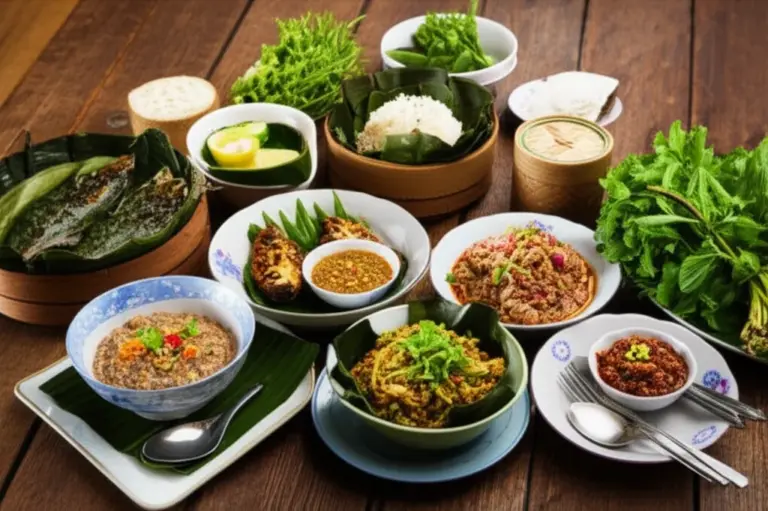
The definitive characteristic of Lao gastronomy is Khao Niao, or sticky rice. This glutinous staple is not merely a side dish; it is the cultural heart of the meal. Traditionally steamed in a bamboo basket (*huad*) and served in a woven basket (*tip khao*), sticky rice is eaten by hand, rolled into small balls, and used to scoop up accompanying dishes. This communal method of eating fosters connection and defines the texture and rhythm of the Lao dining experience. The cultivation and consumption of sticky rice link the Lao people to the agricultural cycles and river systems that sustain the nation.
The Essential Flavor Pillars: Padek and Herbs
While neighboring cuisines rely on fish sauce (*nam pla*), Lao food uses Padek (fermented fish paste) as its primary source of deep, earthy umami. Padek is thicker, stronger, and boasts a more complex, almost pungent flavor profile. This ingredient is central to many traditional dishes, including the famous Lao papaya salad, Tam Mak Hoong, which uses padek for a powerful depth of flavor, distinct from its sweeter Thai cousin.
Fresh herbs are equally crucial. Lao dishes are vibrant with the flavors of mint, coriander, dill, lemon grass, galangal, and particularly basil, used not just as garnishes but as main ingredients that provide freshness and balance to the salty and sour elements.
Defining Luang Prabang’s Flavors: Regional Influences
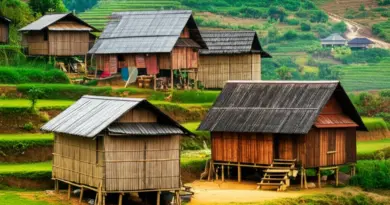
Luang Prabang, situated at the confluence of the Mekong and Nam Khan rivers, benefits from unique regional influences. Historically, as the seat of the Royal Court, its cuisine developed a slightly more refined and varied character than the rural, more rustic dishes found in the south. The climate and river access contribute to an abundance of freshwater fish and unique wild vegetables.
Mekong River Bounty and Royal Heritage
The proximity to the Mekong means fresh river fish is a daily staple. The Luang Prabang style emphasizes steaming and grilling to preserve the natural flavor of the protein, often wrapping the food in banana leaves. Furthermore, the French colonial legacy left subtle but lasting marks, visible in the prevalence of excellent baguettes and French-influenced pastries found in the morning markets, creating a fascinating culinary fusion.
Signature Dishes of Luang Prabang
To truly appreciate Luang Prabang’s flavors, one must sample its signature dishes:
- Mok Pa (Steamed Fish): Freshwater fish marinated with lemongrass, basil, kaffir lime leaves, chili, and padek, then wrapped tightly in banana leaves and steamed. This technique locks in moisture and infuses the fish with intense herbal aroma.
- Sai Oua (Lao Sausage): A highly aromatic pork sausage stuffed with a rich mixture of lemongrass, galangal, kaffir lime leaves, cilantro, and chili. It is typically grilled until crispy and deeply flavorful.
- Or Lam: A unique, comforting stew featuring eggplant, wood ear mushrooms, yard-long beans, and often buffalo meat, thickened with sticky rice flour and flavored distinctively with *sakhan* (a type of wood bark that provides a unique spicy-woody flavor).
Key Ingredients and Techniques
| Ingredient Category | Key Examples | Culinary Role |
|---|---|---|
| The Staple | Khao Niao (Sticky Rice) | Base of every meal, eaten by hand. |
| Umami & Salt | Padek (Fermented Fish Paste) | Essential seasoning, providing deep, earthy flavor. |
| Aromatics | Lemongrass, Galangal, Kaffir Lime | Used extensively in pastes, marinades, and steaming packets. |
| The Green | Dill, Mint, Cilantro, Watercress | Consumed in large quantities, often raw, balancing richness. |
Freshness, Fermentation, and Fire
Lao cooking relies on three primary pillars. Freshness is paramount, evident in the daily market culture where ingredients are sourced hours before consumption. Fermentation, through padek and sour bamboo shoots, provides the complexity and preservation necessary in a tropical climate. Finally, Fire (grilling and steaming) is the preferred cooking method, ensuring that meats and fish remain tender while absorbing the intense flavors of the herb marinades.
Experiencing Luang Prabang’s Gastronomy
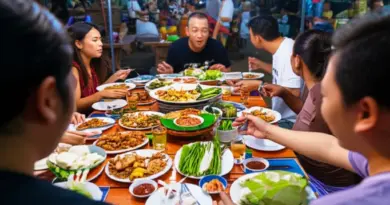
For tourists visiting Luang Prabang, the best way to immerse yourself in the food culture is not through high-end restaurants, but through the vibrant street food scene and local markets. The night market offers a stunning array of grilled items, salads, and snacks, while morning markets showcase the fresh bounty from the surrounding mountains and rivers. Participating in a cooking class focused on Northern Lao techniques can provide invaluable insight into the delicate balance of flavors that define this extraordinary region.
Watch this video to see the vibrant food culture of Luang Prabang in action:
The geographical location of Luang Prabang, nestled between mountains and the mighty Mekong, ensures that its cuisine remains distinct—less chili, more herbs, and a deep appreciation for the humble sticky rice ball. It is a cuisine that speaks softly but carries a powerful, unforgettable flavor.
คำถามที่พบบ่อย (FAQ)
References
- Lao National Tourism Administration Official Website
- Mekong River Commission Data on Fish and Agriculture
- Serious Eats: Understanding Padek and Sticky Rice