Preparing for Your Stay — What to Pack, Cultural Etiquette, Health & Safety, and Language Tips for Visitors
- Preparing for Your Stay — What to Pack, Cultural Etiquette, Health & Safety, and Language Tips for Visitors
- Essential Packing List for Your Laos Adventure
- Navigating Lao Culture: Etiquette & Customs
- Health & Safety: Staying Well in Laos
- Basic Lao Language Tips for Travelers
- Conclusion
- คำถามที่พบบ่อย (FAQ)
- What is the best time of year to visit Laos?
- Do I need a visa to enter Laos?
- Is it safe for solo female travelers in Laos?
- What is the local currency and should I carry cash?
Embarking on a journey to Laos is an exciting prospect, promising ancient temples, lush landscapes, and a captivating culture. To ensure your trip is as smooth and enriching as possible, thorough preparation is key. This comprehensive guide, crafted especially for those interested in Laos Tourism, will walk you through everything you need to know before you go – from what to pack to understanding local customs, staying healthy and safe, and even picking up a few essential Lao phrases. By familiarizing yourself with these crucial details, you can travel with confidence and fully immerse yourself in the Land of a Million Elephants.
Essential Packing List for Your Laos Adventure
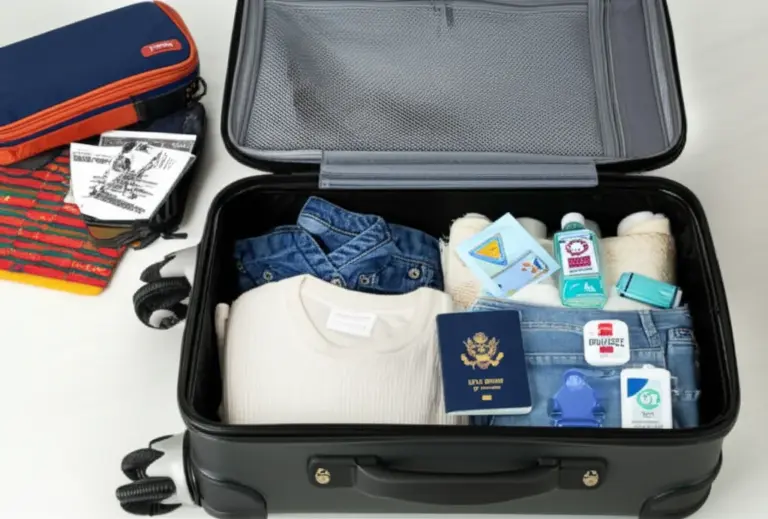
Packing smart is the first step towards a stress-free trip. Laos has a tropical climate, meaning it’s generally hot and humid, with a distinct wet season from May to October. Your packing choices should reflect these conditions and the activities you plan to undertake, from exploring ancient temples to trekking through jungles.
Clothing & Footwear
- Lightweight, breathable clothing: Think cotton or linen. Long sleeves and trousers are advisable for sun protection and mosquito bite prevention, especially in the evenings.
- Comfortable walking shoes: For exploring towns and temples.
- Sandals or flip-flops: Easy to slip on and off when visiting temples or homes.
- Rain jacket or umbrella: Essential during the wet season, but also useful for sun protection.
- Swimwear: For river dips or guesthouses with pools.
- Sarong or light shawl: For covering shoulders and knees when visiting temples.
Health & Hygiene Essentials
- Basic first-aid kit: Include band-aids, antiseptic wipes, pain relievers, anti-diarrhea medication, and any personal prescriptions.
- Insect repellent: High DEET content is recommended to prevent mosquito-borne diseases.
- Sunscreen & hat: The sun can be intense.
- Hand sanitizer: For when soap and water aren’t available.
Documents & Money
- Passport & Visa: Ensure your passport has at least 6 months validity and check visa requirements for your nationality.
- Travel insurance documents: Crucial for emergencies.
- Local currency (Lao Kip) & USD: USD is widely accepted for larger purchases, but Kip is needed for daily expenses. Carry small denominations.
- Photocopies of important documents: Keep them separate from originals, or store digital copies on a cloud service.
Electronics & Miscellaneous
- Power bank & universal adapter: Laos uses Type A, B, C, E, and F sockets (230V, 50Hz).
- Camera: To capture the stunning scenery.
- Headlamp or flashlight: Useful for power outages or early morning/late night excursions.
- Small backpack or daypack: For daily excursions.
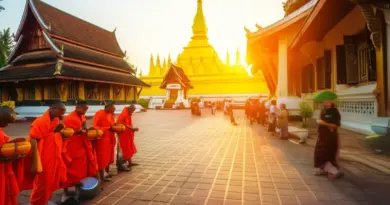
Laos is a country deeply rooted in Buddhist traditions and a strong sense of community. Showing respect for local customs will not only enhance your experience but also demonstrate your appreciation for their way of life. Understanding these nuances is a key part of responsible Laos Tourism.
Respecting Religious Sites
- Dress modestly: Shoulders and knees should be covered. Remove hats.
- Remove shoes: Before entering a temple or a private home.
- Do not touch monks: Especially if you are a woman. Avoid pointing your feet at people or Buddha images.
- Ask permission for photos: Especially of people.
Social Interactions & Greetings
The ‘Nop’ or ‘Wai’ (a prayer-like gesture with hands pressed together) is the traditional Lao greeting. A slight bow often accompanies it. Return the gesture, particularly when greeting elders or those in positions of respect.
- Head is sacred, feet are low: Never touch someone’s head. Avoid pointing with your feet.
- Keep your voice down: Loud conversations are generally frowned upon.
- Smile often: A smile is a universal sign of goodwill.
Dining Etiquette
Lao meals are often communal. You’ll typically find sticky rice served in a small basket, which is eaten by hand. It’s polite to wait for elders to start eating before you do.
- Use your right hand: When eating sticky rice or passing food. The left hand is considered unclean.
- Share dishes: It’s common to order several dishes and share them among the group.
Health & Safety: Staying Well in Laos
While Laos is generally a safe country for tourists, taking precautions regarding health and personal safety is always wise. Being informed about potential risks and how to mitigate them will allow you to enjoy your Laos Tourism experience without undue worry.
Vaccinations & Medications
- Consult your doctor: Before your trip, discuss recommended vaccinations (e.g., Hepatitis A & B, Typhoid, Tetanus, Rabies, Japanese Encephalitis) and any necessary preventative medications (e.g., anti-malarials).
- Carry personal medications: Ensure you have enough for your entire trip, along with prescriptions or a doctor’s note.
Food & Water Safety
- Drink bottled water: Or use a water filter/purifier. Avoid tap water, even for brushing teeth.
- Be wary of ice: Unless you’re sure it’s made from purified water.
- Eat cooked food: Ensure food is hot and freshly prepared. Peel fruits and vegetables yourself.
General Safety Precautions
- Secure valuables: Use hotel safes. Be mindful of pickpockets in crowded areas.
- Be cautious with rentals: If renting a scooter, ensure you have appropriate insurance and experience. Roads can be challenging.
- Avoid walking alone at night: Especially in dimly lit areas.
- Unexploded Ordnance (UXO): In some rural areas, particularly in the east, UXO from past conflicts remains a danger. Stick to well-trodden paths and heed warning signs.
Basic Lao Language Tips for Travelers
While English is spoken in major tourist areas, making an effort to learn a few basic Lao phrases will be greatly appreciated by locals and can significantly enhance your interactions. It’s a fantastic way to show respect for the culture and truly engage with the spirit of Laos Tourism.
Essential Phrases
Non-Verbal Communication
Beyond words, body language is crucial. Always pass items with your right hand. Avoid public displays of affection. Remember the ‘Nop’ for greetings and showing respect.
Conclusion
Preparing for your stay in Laos involves more than just booking flights and accommodation; it’s about embracing the journey with an open mind and a respectful attitude. By packing wisely, understanding and honoring the local culture, prioritizing your health and safety, and even attempting a few basic phrases, you set the stage for an incredibly rewarding and authentic travel experience. Laos offers a unique blend of natural beauty, spiritual tranquility, and warm hospitality that awaits those who are prepared to explore its wonders. Enjoy your adventure in this enchanting corner of Southeast Asia, making the most of every moment of your Laos Tourism journey!
คำถามที่พบบ่อย (FAQ)
References
- Lonely Planet: Laos Health & Safety
- UK Foreign Travel Advice: Laos Local Laws and Customs
- Laos Travel Guide | Must-Do’s, Tips & Tricks (A Backpacker’s Life)