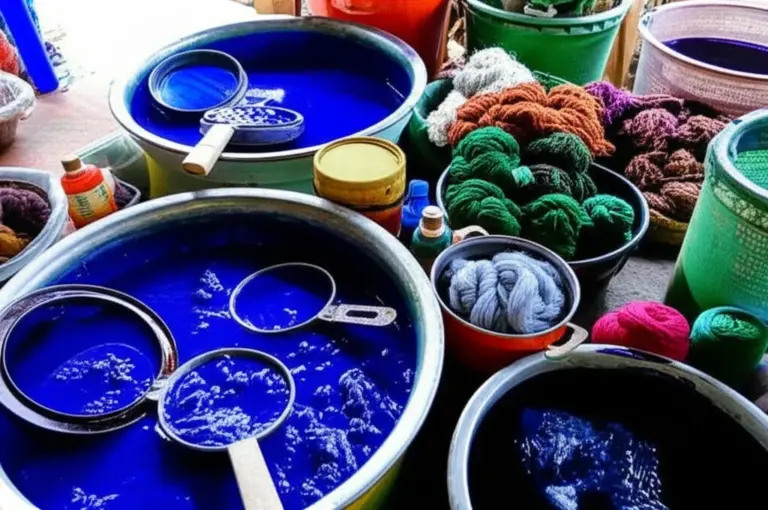
Natural Dyeing Practices and Sustainable Fiber Arts Around Luang Prabang
- Natural Dyeing Practices and Sustainable Fiber Arts Around Luang Prabang
The ancient art of natural dyeing has been passed down through generations in Laos, particularly in the communities surrounding Luang Prabang. This intricate process transforms raw fibers into breathtaking textiles using only elements sourced from nature. It’s a practice that not only yields beautiful results but also aligns perfectly with the principles of sustainable living and responsible tourism. For those interested in the rich tapestry of Laotian culture and its dedication to preserving the environment, delving into these fiber arts is an unparalleled opportunity.
The Ancient Art of Natural Dyeing Practices in Luang Prabang
Natural dyeing is more than just a craft; it’s a living tradition that embodies the spiritual and cultural values of the Lao people. For centuries, local artisans, particularly women, have harvested plants, roots, leaves, and bark from the lush forests and fertile lands around Luang Prabang to create a spectrum of colors. This practice is deeply intertwined with the daily lives of ethnic groups such as the Hmong, Khmu, and Lao Loum, who use these naturally dyed threads to weave their traditional clothing, ceremonial textiles, and household items. The process is slow, meticulous, and deeply respectful of nature’s bounty, making it an inherently sustainable art form.
A Palette from Nature: Common Plant Dyes
The biodiversity of Laos provides an astonishing array of natural dye sources. Each plant offers its unique hue, transforming plain fibers into works of art. Here are some of the most commonly used plant dyes:
- Indigo (Indigofera tinctoria): Perhaps the most iconic, indigo yields a range of blues, from sky to deep navy. It’s central to many traditional textile designs.
- Turmeric (Curcuma longa): Known for its vibrant yellow and orange tones, turmeric is easily accessible and widely used.
- Lac (Laccifer lacca): This resin from insects (often found on host trees) produces beautiful reds, pinks, and purples.
- Sappanwood (Caesalpinia sappan): The heartwood of this tree is used to create rich reds and oranges.
- Annatto (Bixa orellana): The seeds of the annatto tree provide bright yellow and orange dyes.
- Jackfruit Wood (Artocarpus heterophyllus): Used to produce earthy browns and yellows.
The Magic of Indigo: A Deep Dive
Indigo dyeing is a particularly fascinating process. Unlike many other plant dyes that are boiled, indigo requires a fermentation vat. The leaves of the indigo plant are harvested, fermented, and then processed into a paste or powder. This pigment is then used to create a dye bath. What’s truly magical is that the fabric, when first removed from the indigo vat, appears green. It’s only upon exposure to air that the oxidation process occurs, transforming the fabric into its characteristic deep blue. This transformation is often seen as a metaphor for life and change, adding a spiritual dimension to the craft.
Understanding Mordants: Fixing Nature’s Colors
While natural dyes provide the color, mordants are the unsung heroes that make these colors last. A mordant is a substance used to fix the dye to the fiber, ensuring colorfastness and often influencing the final shade. Without mordants, many natural dyes would simply wash out of the fabric over time. Traditional Lao dyeing practices prioritize natural and eco-friendly mordants, further enhancing their sustainability credentials.
Natural Mordants and Their Role
Common natural mordants used in Luang Prabang include:
- Alum (Potassium aluminum sulfate): A widely used and relatively safe mordant that helps brighten colors.
- Iron (Ferrous sulfate): Often used to darken or ‘sadden’ colors, giving them a more muted tone. It can also create greens with yellow dyes.
- Tannin-rich plants: Many barks and leaves contain tannins, which act as natural mordants, especially when combined with other mordants.
- Lime (Calcium hydroxide): Used in some processes, particularly with indigo, to adjust pH.
The careful selection and application of mordants are crucial for achieving the desired color and ensuring the longevity of the dyed textiles, all while maintaining an eco-friendly approach that avoids harsh chemicals.
Embracing Sustainable Fiber Arts: Workshops and Experiences
For tourists visiting Luang Prabang, the opportunity to engage directly with these sustainable fiber arts is a highlight. Numerous eco-friendly workshops offer hands-on experiences that allow participants to learn the techniques of natural dyeing and traditional weaving. These workshops provide a unique cultural exchange, connecting visitors with local artisans and their age-old practices.
- Cultural Immersion: Gain a deeper understanding of Lao traditions and the significance of textiles.
- Support Local Artisans: Your participation directly contributes to the livelihoods of local communities and helps preserve traditional crafts.
- Hands-on Learning: Experience the joy of creating something beautiful with your own hands, from preparing dyes to dyeing fabric.
- Sustainable Tourism: Engage in an activity that promotes environmental responsibility and supports ethical practices.
Where to Experience Natural Dyeing in Luang Prabang
Several reputable centers and villages near Luang Prabang offer excellent opportunities to explore natural dyeing and weaving:
| Location | Focus | Experience |
|---|---|---|
| Ock Pop Tok | Textile Arts, Natural Dyes, Weaving | Workshops, artisan village tours, shop |
| Living Land Farm | Rice farming, Weaving, Natural Dyes | Farm experience, dyeing workshops |
| Local Villages | Authentic community experiences | Arranged tours, direct interaction with artisans |
These venues not only offer workshops but also provide insights into the entire production chain, from cultivating dye plants to the intricate weaving of textiles. It’s an educational and inspiring journey for any visitor.
Preserving Tradition and Promoting Sustainability
The continued practice of natural dyeing and sustainable fiber arts in Luang Prabang is vital for both cultural preservation and environmental protection. By utilizing local resources and traditional methods, artisans minimize their ecological footprint, avoiding the pollution and waste associated with synthetic dyes and mass production. Tourism plays a crucial role in sustaining these practices, providing economic incentives for artisans to continue their craft and pass it on to future generations.
Moreover, these arts contribute to the unique identity of Luang Prabang as a destination that values its heritage and promotes responsible travel. Visitors leave not just with beautiful souvenirs, but with a deeper appreciation for the intricate connection between nature, art, and culture.
In conclusion, exploring **Natural Dyeing Practices Luang Prabang** and its sustainable fiber arts offers a profound and enriching experience. It’s an invitation to step back in time, connect with nature, and support the vibrant artistic traditions that make this region so special. Embrace the colors of Laos, dyed naturally and with love.
คำถามที่พบบ่อย (FAQ)
- Handicraft Villages Around Luang Prabang: A Traveler’s Guide to Weaving, Natural Dyeing, and Traditional Silverwork
- Where to Find the Best Handicraft Villages Near Luang Prabang and How to Plan Your Visit (transport, opening times, guided vs self-guided tours)
- Traditional Weaving in Luang Prabang Villages: Techniques, Materials, and Meaning Behind Patterns (silk, cotton, ikat, Lao motifs)