Where to Stay and What to Expect: Accommodation, Local Food, Safety, and Cultural Etiquette in Northern Laos
- Where to Stay and What to Expect: Accommodation, Local Food, Safety, and Cultural Etiquette in Northern Laos
Northern Laos, a land of mist-shrouded mountains, slow-flowing rivers, and ancient Buddhist culture, offers a profound travel experience far removed from the hustle of modern life. For travelers seeking authentic immersion, understanding the nuances of Northern Laos accommodation and travel tips is crucial. This guide provides an expert overview of where to sleep, what culinary treasures await, critical safety considerations, and the cultural etiquette necessary to navigate this beautiful, yet traditional, region with respect and confidence.
Finding Your Base: Accommodation Options in Northern Laos
Accommodation in Northern Laos ranges dramatically, often reflecting the specific vibe of the town. While the infrastructure is developing rapidly, especially in major hubs, flexibility is key. We explore the best options for every traveler profile.
Luxury & Boutique Stays (Luang Prabang)
Luang Prabang, a UNESCO World Heritage site, is the epicenter for high-end stays. Many former colonial villas have been beautifully converted into boutique hotels offering exceptional service and ambiance. Expect French colonial architecture, lush courtyards, and infinity pools overlooking the Mekong or Nam Khan rivers. These establishments often provide top-tier dining and organized tours, perfect for those prioritizing comfort and historical charm.
Budget-Friendly Hostels and Guesthouses (Vang Vieng & Nong Khiaw)
For backpackers and budget-conscious explorers, Vang Vieng and the more remote Nong Khiaw offer fantastic value. Guesthouses (often family-run) provide clean, simple rooms, usually with attached bathrooms and air conditioning as an upgrade. Hostels in Vang Vieng cater heavily to the adventure crowd, offering social atmospheres and easy access to rock climbing and kayaking tours. Booking a few days in advance during peak season (November to February) is advisable, though walk-ins are often possible outside of major holidays.
A Taste of the North: Essential Local Food Experiences
Lao cuisine is distinct from its Thai and Vietnamese neighbors, relying heavily on fresh herbs, fermented fish sauce (padaek), and, of course, sticky rice (Khao Niao). Mastering where and what to eat is central to experiencing Northern Laos accommodation and travel tips.
Must-Try Dishes Beyond Sticky Rice
While sticky rice is the staple carbohydrate, the accompanying dishes define the meal. Ensure you try:
- Laap (Larb): The unofficial national dish—a minced meat salad seasoned with lime juice, chili, mint, and toasted ground rice.
- Or Lam: A hearty, spicy stew originating from Luang Prabang, featuring local vegetables and often smoky flavors.
- Khao Jee Pâté: The Lao take on the French baguette sandwich, perfect for a quick lunch.
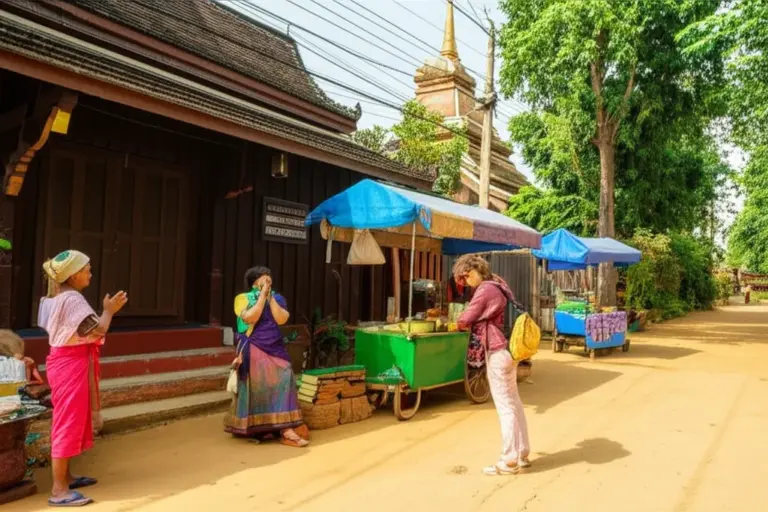
Local morning markets are vibrant cultural hubs. For street food safety, apply the standard Southeast Asian rule: eat where the locals eat, especially if the stall is busy and the food is cooked fresh in front of you. Avoid pre-cut fruits sitting out for long periods, and always opt for bottled or boiled water. If you have a sensitive stomach, stick to establishments that clearly cater to tourists for the first few days while your system adjusts to the local bacteria.
Safety First: Essential Travel Advice for Northern Laos
Laos is renowned as one of the safest countries in Southeast Asia regarding violent crime against tourists. However, preparedness for common travel issues is vital for a smooth trip.
Health & Medical Considerations
Hospitals outside of Vientiane and Luang Prabang are basic. Ensure you have comprehensive travel insurance that covers medical evacuation. Bring a basic first-aid kit with diarrhea medication, bandages, and antiseptic wipes. Malaria risk is generally low in the main tourist areas but increases significantly when trekking deep into remote provinces like Phongsali. Consult your doctor regarding necessary vaccinations (Hepatitis A/B, Typhoid) before departure.
Transportation Risks and Mitigation
The biggest safety risk in Laos relates to road travel. Roads, especially those connecting Vang Vieng to the north, can be poorly maintained, winding, and often poorly lit. Minivans are fast but often overcrowded. For long distances, the government-run sleeper buses can be an experience, but slow, comfortable VIP buses are a safer alternative. Always wear a helmet if traveling by scooter, and never drive at night.
Respecting the Land: Cultural Etiquette and Customs
Lao culture is deeply rooted in Theravada Buddhism, emphasizing politeness, humility, and patience (often called ‘jai yen yen’ – cool heart). Observing local customs is paramount to positive interactions, especially when discussing Northern Laos accommodation and travel tips with guesthouse owners.
Temple Protocol (Wat) Etiquette
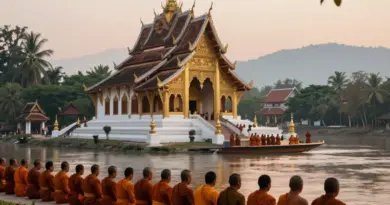
Temples (Wats) are sacred spaces. Dress modestly: cover your shoulders and knees—no shorts or tank tops are permitted inside temple buildings. Remove your shoes before entering any worship hall. Never point your feet at a Buddha image or a monk, as feet are considered the lowest and dirtiest part of the body. When speaking to a monk, use respectful titles.
Interactions with Locals and Gift-Giving
The traditional Lao greeting involves placing hands together in a prayer-like gesture (the Nop). The higher the hands are placed, the more respect is shown. Avoid touching anyone on the head, as it is considered the most sacred part of the body. When taking photos, always ask permission first, especially of monks or elderly villagers.
| Etiquette Point | Action Required |
|---|---|
| Entering Homes | Always remove shoes. |
| Receiving Items | Use both hands or your right hand only. |
| Public Displays of Affection | Keep PDA minimal or non-existent. |
Video Guide: Experiencing the Beauty of Northern Laos
To truly capture the essence of the misty mountains and tranquil rivers that define this region, watch this short visual guide summarizing the best experiences Northern Laos has to offer.
By embracing the slow pace, respecting the deep spiritual traditions, and preparing adequately for logistics, your journey through Northern Laos will undoubtedly be one of the most rewarding travel experiences in Southeast Asia. The combination of accessible adventure and profound cultural depth makes this region a must-visit for any serious traveler.
คำถามที่พบบ่อย (FAQ)
A: No. It is strongly recommended that travelers stick to bottled, filtered, or boiled water throughout Northern Laos. While purification methods are improving, bottled water remains the safest option for drinking and brushing teeth.
A: The high-speed train, introduced recently, is now the fastest and most comfortable option, taking approximately two hours. Previously, the slow, winding minivan journey took 5-7 hours.
A: Tipping is not mandatory or deeply ingrained in Lao culture, but it is increasingly appreciated, especially in tourist-facing hotels and restaurants. Rounding up the bill or leaving a small amount for excellent service is a kind gesture.
A: The local currency is the Lao Kip (LAK), but Thai Baht (THB) and US Dollars (USD) are widely accepted in tourist areas. Cash is essential, especially outside Luang Prabang, as ATMs can be scarce or unreliable in smaller towns like Nong Khiaw.
References
For further reading on Lao cultural norms and official travel advisories, consult these reliable sources:
- Offbeat Northern Laos: Phongsaly and Nam Ou Valley in One Week — Complete Itinerary, Practical Tips, and Cultural Insights
- Why Choose Phongsaly and the Nam Ou Valley? What Makes This Offbeat Route Worth a One-Week Trip
- How to Plan Your One-Week Itinerary: Day-by-Day Route, Transport Options, and Timing for Phongsaly & Nam Ou Valley