Top Experiences and Local Insights for Each Stop: What to See, Eat, and Do Without Rushing
- Top Experiences and Local Insights for Each Stop: What to See, Eat, and Do Without Rushing
- Luang Prabang: The Spiritual Soul of Laos Tourism
- Vang Vieng: From Party Hub to Adventure Capital
- Vientiane: The World’s Most Relaxed Capital
- How to Travel Without Rushing
- คำถามที่พบบ่อย (FAQ)
- What is the best time to visit Laos?
- Is Laos safe for solo travelers?
- What should I wear when visiting temples?
- Can I use US Dollars in Laos?
Welcome to the heart of Southeast Asia. Laos Tourism is often defined by its slow pace, spiritual depth, and untouched natural beauty. Unlike its more bustling neighbors, Laos invites travelers to breathe, observe, and engage with the environment. This guide explores the essential stops—Luang Prabang, Vang Vieng, and Vientiane—providing local insights so you can experience the best of each location without the stress of a hurried itinerary.
Luang Prabang: The Spiritual Soul of Laos Tourism
Luang Prabang is a UNESCO World Heritage site that perfectly encapsulates the charm of Laos. The fusion of traditional Lao architecture and European colonial influences creates a unique atmosphere. To truly enjoy this city, one must embrace the ‘slow life’ philosophy. Start your morning early with the Alms Giving Ceremony (Tak Bat), but observe with respect from a distance to maintain the sanctity of the tradition.
What to See and Do in Luang Prabang
- Mount Phousi: Climb the 300+ steps for a panoramic view of the city and the Mekong River at sunset.
- Wat Xieng Thong: Admire the ‘Tree of Life’ mosaic at one of the most elegant temples in the country.
- Traditional Arts and Ethnology Centre (TAEC): Learn about the diverse ethnic groups that make up the fabric of Laos.
What to Eat
Don’t leave without trying Or Lam, a spicy Lao stew made with dried buffalo meat, chilies, and local herbs. For a snack, grab some Khao Jee (Lao baguette) from a street vendor. The night market also offers an array of grilled river fish and sticky rice that are essential to the local palate.
Vang Vieng: From Party Hub to Adventure Capital
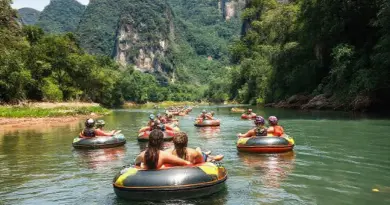
Once known primarily for its wild party scene, Vang Vieng has transformed into a premier destination for eco-tourism and adventure. Nestled along the Nam Song River and surrounded by striking limestone karsts, it offers some of the most dramatic landscapes in Laos. The key here is to balance high-energy activities with moments of quiet reflection by the water.
Top Experiences
- Kayaking and Tubing: Gently float down the Nam Song River. It’s the best way to see the karst formations without rushing.
- Blue Lagoons: While Lagoon 1 is the most famous, Lagoon 3 offers a much quieter environment for a refreshing swim.
- Hot Air Ballooning: For a breathtaking view of the valley at sunrise, this is an experience worth the early wake-up call.
Vientiane: The World’s Most Relaxed Capital
Vientiane may be the capital, but it feels more like a collection of villages. It is the perfect place to end your trip, allowing you to wind down before heading home. The city is flat and easy to navigate, making it ideal for walking or cycling between cafes and monuments.
Cultural Highlights
- Pha That Luang: The gold-covered large Buddhist stupa is the national symbol of Laos.
- Patuxai Victory Monument: Often called the ‘Arc de Triomphe’ of Vientiane, it offers great views of the city’s main avenue.
- COPE Visitor Centre: An essential stop to understand the history of the Secret War and the ongoing efforts to clear unexploded ordnance in Laos.
Dining and Nightlife
The Mekong Riverfront comes alive at night. Visit the night market for souvenirs, then sit at one of the many riverside bars to enjoy a cold Beerlao as the sun sets over Thailand across the river. For dinner, seek out Laap, a minced meat salad that is considered the national dish of Laos.
How to Travel Without Rushing
The secret to enjoying Laos Tourism is to limit your destinations. Instead of trying to see the whole country in ten days, pick three locations and spend at least three nights in each. Use the high-speed train (LCR) to move between major cities quickly, but once you arrive, switch to ‘Lao time’—where things happen when they happen, and the journey is just as important as the destination.
คำถามที่พบบ่อย (FAQ)
References
- Two Weeks in Laos: The Ultimate Slow-Travel Itinerary from Vientiane to the 4000 Islands
- Planning Your Route and Pace: How to Map a Relaxed 14-Day Laos Journey (Vientiane, Vang Vieng, Luang Prabang, Pakse, Don Det)
- Practical Transport, Accommodation, and Budget Tips for Slow Travel in Laos (Ferries, Local Buses, Guesthouses, Safety)