Understanding Laos’ Electrical System: Voltage, Frequency, and Common Socket Types
- Understanding Laos’ Electrical System: Voltage, Frequency, and Common Socket Types
Welcome to the Land of a Million Elephants! Laos offers a captivating blend of ancient temples, stunning karst landscapes, and vibrant local culture. However, for the modern traveler, one crucial piece of preparation often gets overlooked: the local electrical system. Before you land in Vientiane or Luang Prabang, **Understanding Laos’ Electrical System: Voltage, Frequency, and Common Socket Types** is essential to keep your cameras charged, laptops running, and peace of mind intact. This comprehensive guide, written from an expert travel preparedness perspective, will ensure you are fully equipped for your Laotian adventure.
The Basics: Voltage and Frequency in Laos
Electrical standards can vary dramatically across Southeast Asia. Fortunately, Laos has largely standardized its supply, aligning with many of its neighbors. This standardization simplifies things considerably for international visitors.
Laos Voltage Standard: 220 Volts
Laos operates on a nominal voltage of **220V (Volts)**. This is consistent across the country, powering everything from guesthouses in the south to remote lodges in the north. This is excellent news for travelers coming from regions that also use 220V-240V, such as Europe, Australia, and most of Asia.
Frequency Consistency: 50 Hertz (Hz)
The frequency used in Laos is **50 Hertz (Hz)**. This is the standard for most of the world, excluding North America, which typically uses 60Hz. While this difference rarely affects basic charging devices (like phones or laptops), it can impact the performance of certain sensitive electronics, such as electric clocks or specialized motors, which might run slightly slower than intended.
Laos Plug Types: Which Sockets Will You Find?
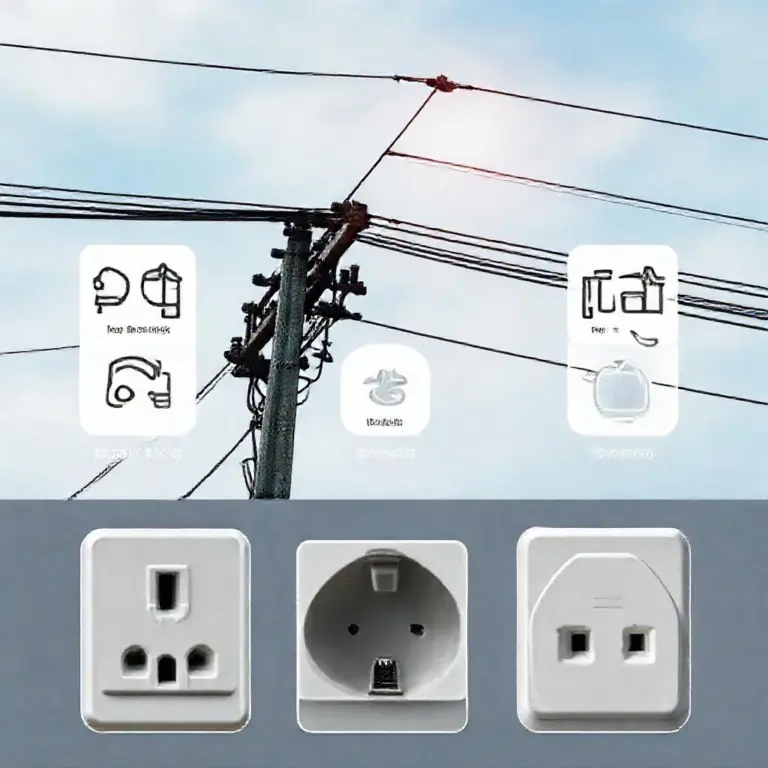
Identifying the correct plug shape is arguably more important than the voltage, as it dictates whether you can physically connect your device. Laos utilizes a mix of plug standards, making adaptability key. When **Understanding Laos’ Electrical System: Voltage, Frequency, and Common Socket Types**, expect to encounter three main types.
Type C & Type E/F (Europlugs)
These are the most common plugs you will find, particularly in modern hotels, cafes, and newer infrastructure in Vientiane and Luang Prabang. The Type C plug (two round pins) is universally accepted. Type E/F sockets (Schuko) are also prevalent and accept Type C plugs perfectly.
Type A (North American Style)
Interestingly, due to historical or regional trade influences, you can still find Type A sockets (two flat parallel pins, common in the US and Japan) in older establishments or rural guesthouses. If you have a Type A plug, you might be able to use it in sockets designed for Type A or sometimes in multi-standard sockets, but reliance on this is risky.
Type G (The UK Standard)
Less common but certainly present, particularly in areas with significant international development or where equipment was sourced from neighboring countries, is the Type G plug (three rectangular pins, the British standard). While not dominant, encountering Type G means your standard European adapter won’t work without an additional piece.
Traveler’s Toolkit: Adapters and Converters
To ensure a smooth electrical experience, preparation is key. Here is a breakdown of what you need based on where you are traveling from.
The Essential Universal Adapter
The best investment for any multi-country traveler is a high-quality universal travel adapter that covers Type C, A, and G. Since Laos uses 220V, you primarily need the plug adapter, not the voltage converter, for most modern electronics. Look for adapters that explicitly state compatibility with Southeast Asian sockets.
When You Need a Voltage Converter
If you are bringing high-wattage items from North America (like powerful hair dryers, curling irons, or older shavers) that are rated only for 110V/120V, you must purchase a step-down voltage converter. Please note that many modern travel-sized personal care appliances are dual-voltage (check the label!), rendering a heavy converter unnecessary.
Power Reliability and Infrastructure in Laos
While major cities like Vientiane and Savannakhet benefit from relatively stable power grids, infrastructure outside these hubs can be less predictable. Power outages, though less frequent than in the past, can still occur, especially during the rainy season or in remote areas bordering the Mekong River.
Managing Outages
When the power goes out, most hotels and larger restaurants will switch to backup generators quickly. However, smaller homestays or budget accommodations might rely on battery backups or nothing at all. Always ensure your essential devices (like your phone for navigation or booking) are fully charged before heading out for the day. Consider packing a portable power bank as a reliable backup.
Water and Electricity in Rural Areas
If you are trekking or staying in remote villages (e.g., near the Plain of Jars or in the northern mountains), electricity might be supplied intermittently, sometimes only via small, local generators in the evenings. In these highly rural settings, relying on battery power for extended periods is the safest assumption.
To better visualize the typical setup you might encounter, here is a short video on travel preparation for Laos:
Practical Tips for Tourists in Laos
Navigating the electrical landscape in Laos is straightforward once you know the key metrics. Here are final actionable steps to ensure your electronics thrive during your trip.
- Check Device Labels: Before packing, inspect the small print on your chargers. If it says INPUT: 100-240V, 50/60Hz, you only need a physical plug adapter for Laos.
- Pack Multi-Port Chargers: Modern USB chargers are compact and efficient. A single adapter plugged into the wall can charge multiple devices via USB ports, reducing the need for bulky converters.
- Assume Multi-Standard Sockets: When staying in mid-range to high-end hotels, you will likely see sockets that accept multiple plug types (often labeled with diagrams). Always verify the connection before plugging in sensitive gear.
- Respect Local Wiring: While generally safe, older buildings might have outdated wiring. Avoid plugging high-power devices into questionable wall sockets, especially if you notice flickering lights or hear buzzing sounds.
คำถามที่พบบ่อย (FAQ)
References
By keeping this information handy, you ensure that your connection to the modern world remains uninterrupted while you immerse yourself in the beautiful, traditional charm of Laos. Safe travels!