Overview of Border Crossing Options and Entry Requirements from Thailand, Vietnam, Cambodia and China into Laos
- Overview of Border Crossing Options and Entry Requirements from Thailand, Vietnam, Cambodia and China into Laos
Traveling overland into the Lao People’s Democratic Republic (Laos) offers intrepid tourists an authentic glimpse into the diverse cultures of Southeast Asia. Understanding the Border Crossing Options and Entry Requirements from Thailand, Vietnam, Cambodia and China into Laos is crucial for a smooth journey. This comprehensive guide details the primary land crossings and the necessary documentation for entry.
Laos, often called the ‘Land of a Million Elephants,’ is landlocked, making its land borders vital entry points for backpackers and seasoned travelers alike. While air travel is convenient, crossing by land provides a richer sense of transition between these fascinating neighboring nations. Expertise in the local procedures at these checkpoints will save you time and potential frustration.
Thailand to Laos: The Most Popular Overland Route
The border with Thailand is arguably the busiest and best-serviced route into Laos, primarily due to the Mekong River acting as a natural divider. Travelers usually cross near Vientiane or further north towards Luang Prabang.
Key Crossing Points from Thailand
- Nong Khai (Thailand) / Thanaleng (Laos): This is the most famous crossing. The Thai side is Nong Khai, and you cross the Mekong via the Thailand-Laos Friendship Bridge. A short bus/taxi ride takes you to the Vientiane side (Thanaleng/Dong Dok Khoun). This crossing is highly efficient for those heading to Vientiane.
- Chiang Khong (Thailand) / Huay Xai (Laos): Essential for travelers heading to Northern Laos, particularly the Gibbon Experience or the slow boat down the Mekong to Luang Prabang. This crossing is straightforward, involving a short walk or shuttle bus after crossing the Friendship Bridge 2.
Entry Requirements (Thailand to Laos)
For most nationalities, Visa on Arrival (VOA) is available at major land crossings like Nong Khai/Thanaleng and Huay Xai. Ensure you have:
- A passport valid for at least six months beyond your intended stay.
- One passport-sized photo (though sometimes you can pay a small fee without one).
- Sufficient USD cash for the visa fee (fees vary by nationality, typically $30 – $45 USD).
Vietnam to Laos: Mountainous and Scenic Journeys
Crossing from Vietnam into Laos often involves navigating high mountain passes, offering spectacular, albeit sometimes long, bus journeys. This route is popular for those exploring Central Vietnam (like Hue or Da Nang) and heading towards the Plain of Jars in Laos.
Major Border Crossings from Vietnam
- Lao Bao (Laos) / Densavan (Vietnam): Located in the central region, this is the primary gateway connecting Hue/Da Nang to Savannakhet in Southern Laos. This crossing is well-organized and handles significant commercial traffic.
- Cau Treo (Vietnam) / Nam Phao (Laos): Serves travelers moving between Hanoi/Vinh and Vientiane. This route is known for its beautiful, winding roads through the Annamite Range.
Visa and Documentation (Vietnam to Laos)
VOA is generally available at these checkpoints. The procedure mirrors the Thai border, requiring passport validation and the appropriate fee paid in USD. Be aware that bus companies often handle the paperwork for a small commission, which can expedite the process if you are traveling as a passenger.
Cambodia to Laos: The Southern Corridor
The Cambodian border crossing is less frequently used by general tourists compared to the Thai route but is essential for those traveling the full ‘Indochina loop.’ This route generally leads into the southern provinces of Laos, such as Champasak.
The Main Cambodian Gateway
- Veun Kham (Laos) / Dong Kralor (Cambodia): This crossing is situated near the 4,000 Islands region (Si Phan Don) in Laos and the town of Stung Treng in Cambodia. It involves crossing the Mekong River via a short ferry service after completing immigration procedures on both sides.
Entry Requirements: VOA is available here. Ensure your Cambodian exit stamp is clearly visible. Due to the more remote nature of this crossing, having all required documents, including passport photos, is highly recommended.
China to Laos: The Northern Frontier and Infrastructure Projects
The border with China is rapidly developing, largely influenced by the China-Laos Railway project. While historically more challenging, modern infrastructure is making this route more accessible, though it remains the most regulated.
The Primary Chinese Crossing
- Mohan (China) / Boten (Laos): This is the main official land border, directly linked by the new high-speed railway connecting Kunming to Vientiane. This crossing is highly modern and efficient if you are traveling via the railway or road network from Yunnan province.
Visa Considerations for Chinese Travelers
Entry requirements for Chinese citizens often differ significantly from ASEAN and Western passport holders. While VOA is available for some nationalities at Boten, Chinese citizens may require a pre-arranged visa or specific documentation related to investment or official travel. Tourists should confirm current visa policies well in advance, as these can change based on bilateral agreements.
General Entry Requirements for Laos Tourism
Regardless of which country you arrive from, adherence to these general standards ensures a smooth process when securing your Border Crossing Options and Entry Requirements from Thailand, Vietnam, Cambodia and China into Laos are met:
- Passport Validity: Minimum 6 months remaining validity.
- Visa Fees: Must be paid in clean, new USD cash. Local currency is rarely accepted at land borders for visa processing.
- Duration of Stay: Most VOA grants 30 days. Extensions are possible in Vientiane.
- Customs Declarations: Be prepared to declare large sums of currency or restricted items.
For travelers arriving via the new railway from China, immigration procedures are typically streamlined directly at the Vientiane station, operating similarly to an international airport arrival.
While official fees are fixed, border crossings can sometimes involve requests for unofficial ‘processing charges.’ Maintain a respectful but firm demeanor. If you suspect overcharging, politely ask to see the official fee schedule posted at the immigration window. Utilizing established bus companies or the railway often minimizes exposure to minor scams.
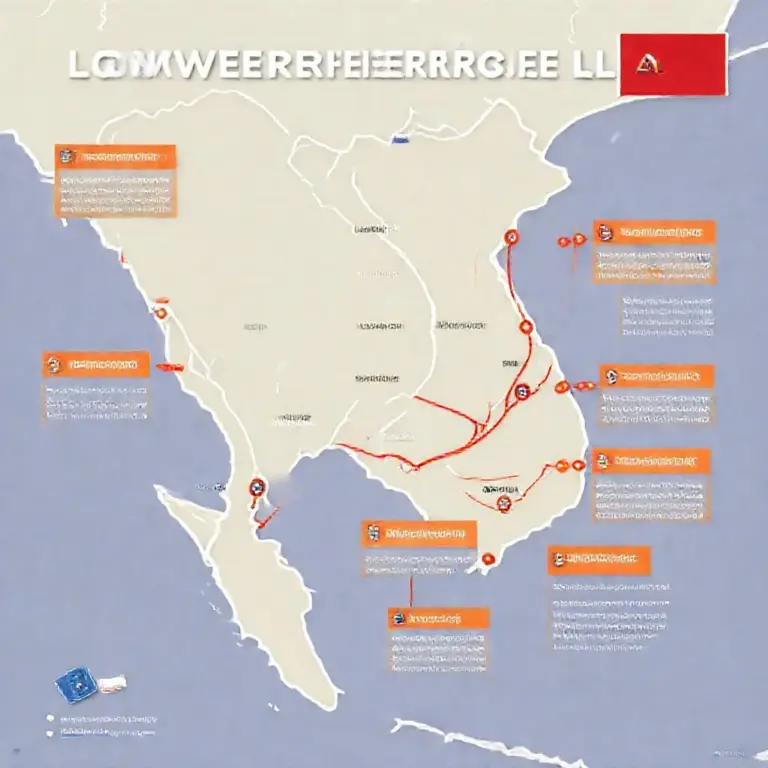
Map View of Major Crossings
Conclusion: Preparedness is Key
Successfully navigating the Border Crossing Options and Entry Requirements from Thailand, Vietnam, Cambodia and China into Laos hinges on preparation. Whether you are taking the famous bridge from Nong Khai, winding through the mountains from Vietnam, or utilizing the modern railway from China, having your passport, photos, and USD ready will ensure your entry into the serene beauty of Laos is as seamless as possible. Enjoy your journey!
คำถามที่พบบ่อย (FAQ)
Can I get a Visa on Arrival at all land borders entering Laos?
Generally, yes, for most major tourist crossings (like Huay Xai, Thanaleng, Lao Bao). However, smaller, remote crossings may not offer VOA services, so confirming the specific location beforehand is essential for Laos tourism.
What is the required currency for Visa on Arrival fees in Laos?
The required currency for Visa on Arrival (VOA) fees at all land borders is United States Dollars (USD). Fees must be paid in crisp, new banknotes.
Do I need a visa if I am traveling overland from Thailand to Laos?
Most Western and many Asian passport holders qualify for Visa on Arrival (VOA) when crossing from Thailand into Laos at official checkpoints, provided they meet the standard entry requirements.
Is the China-Laos Railway an official border crossing point?
Yes, the Vientiane terminus of the China-Laos Railway serves as an official immigration checkpoint, offering a fast and modern alternative to traditional road crossings at Boten/Mohan.
References
- Crossing into Laos: Complete Border Guide for Travelers from Thailand, Vietnam, Cambodia and China
- Step-by-step Guide for Major Land Border Points (Vientiane, Nong Khai, Boten, Savannakhet) including Hours, Transport, and Visa on Arrival Procedures
- Customs, Immigration Rules, and Required Documents (Passports, Visas, Permits, COVID/Vaccination/Health Declarations, Vehicle Papers)