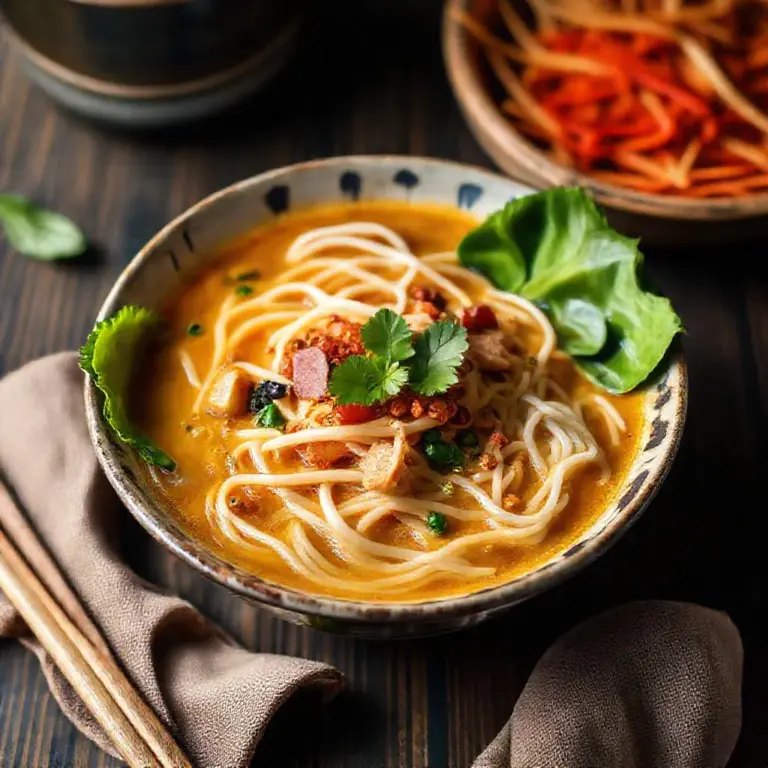
Khao Soi Guide: Origins, Key Ingredients, How to Identify the Most Authentic Bowls
- Khao Soi Guide: Origins, Key Ingredients, How to Identify the Most Authentic Bowls
Welcome to the heart of Laotian culinary exploration! For travelers venturing into the serene landscapes of Laos, understanding the local gastronomy is as vital as visiting the temples. Among the most cherished and debated dishes is Khao Soi. This Khao Soi Guide is designed to illuminate its rich history, deconstruct its complex flavor profile, and equip you with the expertise to find the truly authentic bowls, particularly for those exploring Laos tourism.
While often confused with its famous Northern Thai cousin, Laotian Khao Soi carries distinct regional nuances that speak volumes about the country’s cultural tapestry. Our journey begins by tracing this iconic noodle soup back to its roots, ensuring you appreciate every spoonful as an act of culinary archaeology.
The Fascinating Origins of Khao Soi: A Cross-Border Culinary Story
The history of Khao Soi is a story of migration, trade routes, and cultural exchange, primarily linking the Shan people (an ethnic group residing in parts of Myanmar, Thailand, and Laos) with the broader region. The name itself, Khao Soi (ເຂົ້າ Soi), literally translates to ‘cut rice’ in Lao, referring to the traditional method of making noodles by hand-cutting sheets of dough.
Distinguishing the Laotian Version
It is crucial for visitors focused on Laos tourism to recognize that Laotian Khao Soi is generally lighter, less sweet, and relies heavily on fresh herbs and a less intense curry paste compared to the rich, coconut-milk-heavy version popular in Chiang Mai. In Laos, especially in Luang Prabang, the broth often leans towards a clear, herbaceous stock, sometimes thickened lightly with ground peanuts or dried soybeans rather than heavy coconut cream.
Key Ingredients: Deconstructing the Authentic Bowl
To truly appreciate this dish, one must understand its core components. An authentic bowl of Khao Soi is a symphony of textures and layered flavors. Mastering this Khao Soi Guide means recognizing these essential building blocks.
1. The Noodles (Khao Soi)
The noodles are the soul of the dish. In Laos, you will typically find two types:
- Fresh, Flat Noodles: These are the soft, boiled noodles submerged in the broth.
- Crispy Topping: A small nest of deep-fried, brittle noodles placed on top for texture contrast—a hallmark of the dish.
2. The Broth: Herbal Infusion Over Creaminess
This is where the Laotian version diverges most significantly. The base is typically made from simmering pork bones or chicken, seasoned with aromatic spices like star anise, cinnamon, and lemongrass. Crucially, the Laotian broth often incorporates ground peanuts, dried soybeans, or sometimes even fermented soybeans (tao jiao) to provide body, resulting in a savory, slightly nutty profile rather than heavy coconut richness.
3. The Protein and Garnish
The protein is usually slow-cooked pork or chicken that falls apart easily. Essential fresh accompaniments include mint, coriander, bean sprouts, lime wedges, and, most importantly, pickled mustard greens (pak gat dong), which cut through the richness.
The authentic Laotian Khao Soi flavor profile prioritizes umami and herbaceous notes. If your bowl tastes overwhelmingly sweet or thick like a Thai red curry, you might be eating a localized adaptation, which is still delicious, but not strictly traditional Laotian style.
How to Identify the Most Authentic Bowls in Laos
Finding the best Khao Soi, particularly in tourist hubs like Luang Prabang, requires looking beyond the brightly lit, modern restaurants. True culinary gems are often found where locals frequent. This section of the Khao Soi Guide offers actionable tips for the discerning traveler.
Look for Local Indicators
The most authentic spots are usually humble, often roadside stalls or small family-run eateries. Look for:
- Simplicity on the Menu: If the menu is vast and covers every Thai/Lao dish imaginable, the Khao Soi might be mass-produced. The best places focus on one or two specialties.
- The Broth Color: Authentic Laotian broth should be pale yellow to light brown, not deep orange or red.
- Fresh Herb Station: A wide array of fresh, vibrant greens, chili oil, and lime wedges signals respect for customization.
The Luang Prabang Experience
Luang Prabang is the epicenter for this dish in Laos. While many cafes offer a Westernized version, seek out markets like the Morning Market area early in the day. Vendors here often serve the dish before running out, a strong indicator of popularity and freshness.
To give you a starting point for your culinary quest, here is a general location suggestion for experiencing this dish:
Recommended Location Example (For Contextual Placement):
To further immerse yourself in the preparation process and understand the nuances of Laotian noodle making, take a moment to watch this video demonstrating the craft:
Beyond the Bowl: Pairing and Etiquette
In Laos, eating is a communal and interactive affair. When enjoying Khao Soi, remember a few etiquette points. Always start by tasting the broth before adding any additions. Use chopsticks for the noodles and a spoon for the broth. Do not be afraid to squeeze the lime generously over the top!
คำถามที่พบบ่อย (FAQ)
The main difference lies in the broth base. Thai Khao Soi (Northern Thai style) is characterized by a rich, creamy, coconut-milk-based curry. Laotian Khao Soi is generally much lighter, often relying on ground peanuts or soybeans for body, resulting in a more savory and herbaceous flavor profile without heavy cream.
While Khao Soi is incredibly popular and a staple, particularly in Northern Laos (like Luang Prabang), the national dish is often considered to be Laap (or Larb). Khao Soi remains a crucial and celebrated regional specialty.
The term ‘Khao Soi’ (ເຂົ້າ Soi) literally translates to ‘cut rice,’ referencing the traditional, manual method used to prepare the flat, wide rice noodles.
References
- Understanding the nuances of Laotian Khao Soi texture and preparation.
- General overview of Khao Soi variations in Southeast Asia.
By following this Khao Soi Guide, you transition from a simple tourist to a knowledgeable culinary explorer ready to savor the true taste of Laos!
- Lao Culinary Classics: Where to Taste Or Lam, Khao Soi, and Khao Piak in Laos and Beyond
- Where to Find Authentic Or Lam: Regional Variations, Best Restaurants, and Street Food Spots
- Khao Piak (Rice Noodle Soup) Explained: Traditional Recipes, Seasonal Occasions, and Home-Style vs. Restaurant Versions