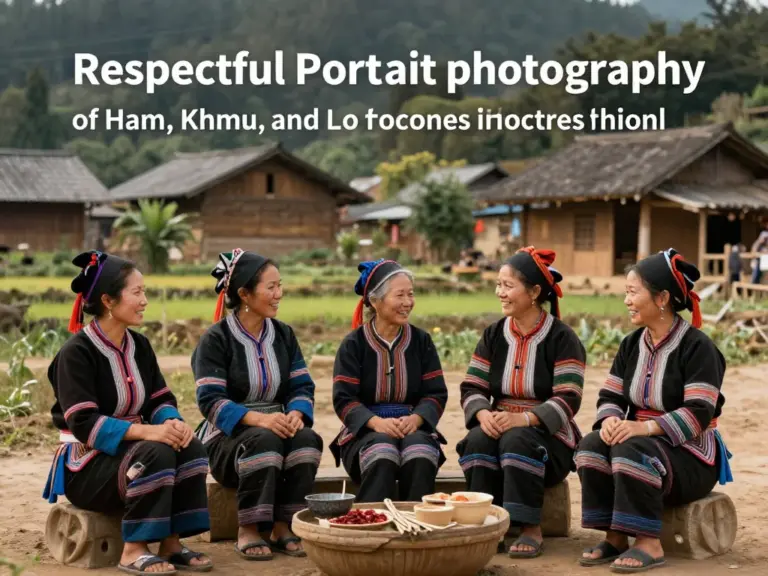
Authentic Village Portraits and Cultural Etiquette: Photographing Hmong, Khmu, and Lao Communities Respectfully
- Authentic Village Portraits and Cultural Etiquette: Photographing Hmong, Khmu, and Lao Communities Respectfully
Laos is a land of incredible diversity, home to over 50 ethnic groups each with distinct languages, traditions, and aesthetics. For photographers, the misty highlands and river valleys offer a treasure trove of visual stories. However, the beauty of photographing Hmong, Khmu, and Lao communities respectfully lies not just in the technical execution of a shot, but in the ethical approach and the connection made with the subject. In this guide, we explore how to capture the soul of Laos while honoring the dignity of its people.
Understanding the Cultural Fabric of Laos
Before pressing the shutter, it is vital to understand who you are photographing. The Lao Loum (lowland Lao) are the majority, often found in cities and along the Mekong. The Khmu, one of the indigenous groups, are known for their deep connection to the forest and intricate basketry. The Hmong, residing primarily in high-altitude regions, are famous for their vibrant textiles and silver jewelry. Each group has specific spiritual beliefs, often involving animism or ancestor worship, which can influence their comfort levels with being photographed.
The Golden Rule: Consent and Communication
The most critical aspect of photographing Hmong, Khmu, and Lao communities respectfully is obtaining consent. Walking into a village and snapping photos without permission is intrusive and disrespectful. Always ask first. Even if you don’t speak the local dialect, a polite gesture toward your camera and a questioning look is usually understood. If they say no, respect it with a smile and move on.
- Learn basic Lao phrases like ‘Sabaidee’ (Hello) and ‘Khop Chai’ (Thank you).
- Spend time in the village before taking out your gear.
- Show the subjects the photos on your LCD screen afterward.
Etiquette for Specific Ceremonies and Daily Life
When visiting during festivals like the Hmong New Year or a Khmu harvest celebration, the visual stimuli can be overwhelming. During these times, people are often dressed in their finest traditional attire. While they may be more open to photos, remember that these are sacred or communal events, not tourist performances. Maintain a respectful distance and avoid using flash, which can be disruptive to the atmosphere of a ceremony.
The Ethics of Gifting and Payments
A common dilemma is whether to pay for portraits. In many remote areas of Laos, offering money can create a culture of begging and dependency. Instead of cash, consider buying local handicrafts, supporting a village school, or bringing a small, useful gift if you are staying overnight. If you are working with a professional guide, they can advise on the most culturally appropriate way to give back to the community.
Technical Tips for Village Portraits
To capture the textures of Hmong embroidery or the weathered hands of a Khmu elder, use a prime lens with a wide aperture (e.g., 35mm or 50mm f/1.8). This creates a shallow depth of field that makes the subject ‘pop’ against the village background. Soft, natural light during the ‘Golden Hour’ is ideal, as the midday sun in Laos can be very harsh and create unflattering shadows.
คำถามที่พบบ่อย (FAQ)
Is it okay to take photos of children in Lao villages?
Extra care should be taken with children. Always seek permission from a parent or guardian first. Avoid taking photos that could be exploitative or show children in vulnerable states.
Should I send copies of the photos back to the villagers?
Yes! If you promise to send photos, make sure you do. You can arrange this through a local guide or a local NGO that works in the area. Physical prints are highly cherished in remote villages.
What should I wear when visiting these communities?
Dress modestly. Both men and women should cover their shoulders and knees. This shows respect for the conservative values of rural Hmong, Khmu, and Lao societies.
Can I enter a villager’s home to take photos?
Only if you are specifically invited. A home is a private, often spiritual space. Always remove your shoes before entering any home or temple in Laos.
References
- Photography Road Trip in Northern Laos: Best Viewpoints, Villages, and Practical Itinerary for Photographers
- Planning Your Northern Laos Photography Road Trip: Routes, Permits, and Best Seasons for Golden Light
- Top Viewpoints and Scenic Stops: Where to Capture Misty Mountains, Mekong Vistas, and Sunrise Over Rice Terraces