Planning Your Northern Laos Photography Road Trip: Routes, Permits, and Best Seasons for Golden Light
- Planning Your Northern Laos Photography Road Trip: Routes, Permits, and Best Seasons for Golden Light
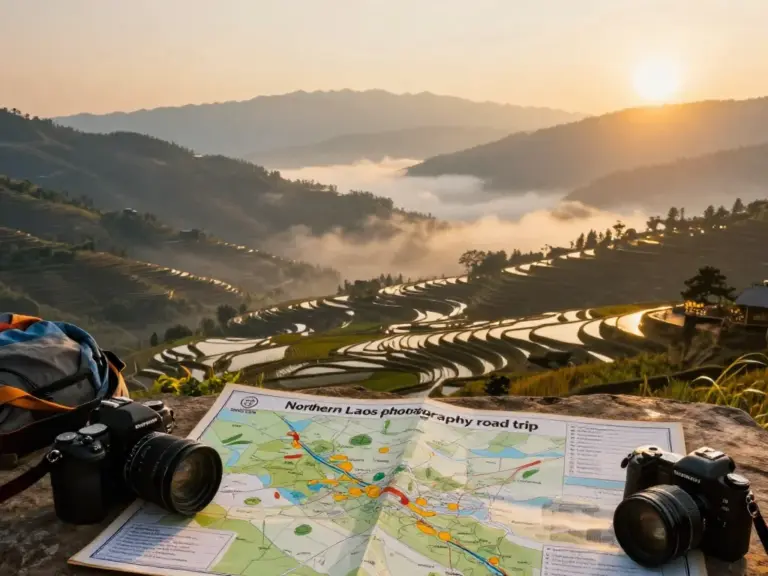
Northern Laos is a photographer’s dream, offering a tapestry of mist-covered mountains, limestone karsts, and vibrant ethnic cultures. Embarking on a Northern Laos photography road trip requires more than just a camera; it demands meticulous planning regarding routes, local regulations, and an understanding of the region’s unique light cycles. Whether you are chasing the morning alms ceremony in Luang Prabang or the sunset over the Nam Ou River, this guide provides the technical and logistical framework to ensure your portfolio stands out.
Understanding the Best Seasons for Golden Light
Timing is everything in landscape photography. In Northern Laos, the seasons dictate the quality of light and the accessibility of the terrain. To capture that coveted ‘golden light,’ you must align your visit with the atmospheric conditions of the region.
| Season | Months | Photography Highlights |
|---|---|---|
| Cool Dry Season | November – February | Clear skies, morning mist in valleys, comfortable trekking. |
| Hot Dry Season | March – May | Hazy skies (slash and burn), but dramatic sunset colors. |
| Wet Season | June – October | Lush green landscapes, dramatic clouds, waterfalls at full flow. |
The Cool Dry Season (November to February) is widely considered the peak for a Northern Laos photography road trip. During this time, the air is crisp, and the ‘morning fog’ often settles in the valleys of Nong Khiaw and Muang Ngoy, providing ethereal layers for landscape shots. However, the Wet Season offers a vibrant emerald hue to the rice terraces that is unmatched, provided you can navigate the muddy roads.
Top Photography Routes in Northern Laos
Choosing the right route is essential for maximizing your shooting time. Most photographers begin their journey in Luang Prabang before heading further north into the rugged highlands.
Route 1: The Riverside Loop (Luang Prabang to Nong Khiaw)
This route follows the Nam Ou River. Nong Khiaw is famous for its limestone peaks. A sunrise hike to the Phadeng Peak viewpoint offers a 360-degree panorama that is essential for any Northern Laos photography road trip. The light hitting the river bend at 6:30 AM is nothing short of magical.
Route 2: The High Mountains (Oudomxay to Phongsaly)
For those seeking portraiture and cultural depth, heading to Phongsaly is a must. This region is home to the Phunoy and Akha people. The high altitude creates a different light quality—sharper and more intense—perfect for high-contrast black and white photography.
Permits and Legal Requirements for Drone Photography
Laos has specific regulations regarding travel and equipment. While standard DSLR photography is generally unrestricted in public areas, drones and specific remote regions require attention.
- Vehicle Permits: If you are bringing a vehicle from Thailand or Vietnam, you need a ‘purple book’ (International Transport Permit) and temporary import documents.
- Drone Laws: As of recent updates, drones over 250g should be registered with the Department of Civil Aviation. Avoid flying near military installations or government buildings in Vientiane and Luang Prabang.
- Village Etiquette: When photographing ethnic minorities, it is polite (and sometimes required) to ask the village headman for permission. A small donation or ‘gift’ to the village school is a respectful gesture.
Essential Gear for the Northern Highlands
The terrain in Northern Laos is unforgiving on gear. Dust in the dry season and humidity in the wet season are your primary enemies. Ensure your kit includes:
- Weather-sealed body: Essential for the sudden downpours of the north.
- Circular Polarizer: To manage reflections on the Mekong and enhance the blue of the sky.
- Graduated ND Filters: Crucial for balancing the bright sky against the dark mountain shadows during golden hour.
- Sturdy Tripod: Necessary for long exposures of waterfalls like Kuang Si.
คำถามที่พบบ่อย (FAQ)
References
- Photography Road Trip in Northern Laos: Best Viewpoints, Villages, and Practical Itinerary for Photographers
- Top Viewpoints and Scenic Stops: Where to Capture Misty Mountains, Mekong Vistas, and Sunrise Over Rice Terraces
- Authentic Village Portraits and Cultural Etiquette: Photographing Hmong, Khmu, and Lao Communities Respectfully