Legal Essentials for Tourists in Laos: Visas, Permits, and Local Regulations
Exploring the ‘Land of a Million Elephants’ is a dream for many travelers. However, ensuring a seamless journey requires a solid understanding of the Legal Essentials for Tourists in Laos. From navigating the intricacies of visa applications to respecting local cultural norms and legal statutes, being well-informed is the first step toward a responsible and enjoyable adventure. This guide provides a comprehensive overview of the mandatory requirements for anyone visiting Laos under the umbrella of Laos Tourism.
Understanding Laos Visa Requirements
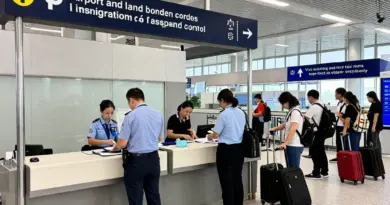
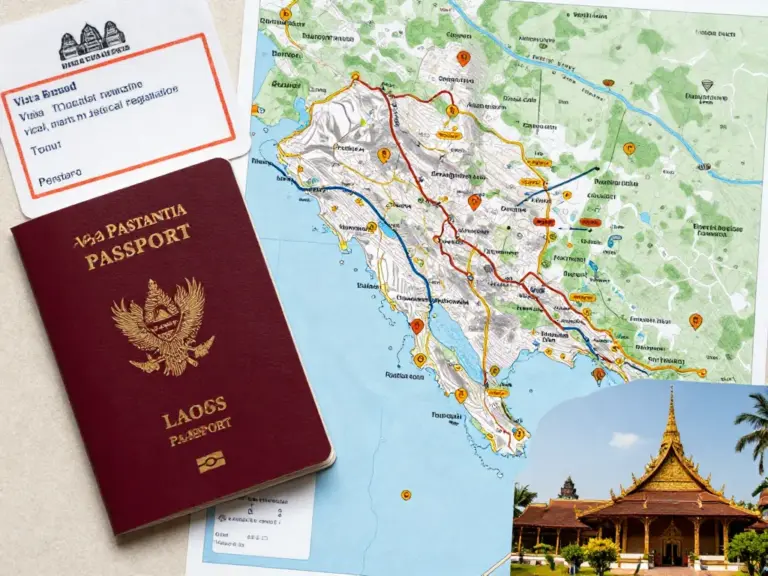
For most international travelers, the first legal hurdle is obtaining a valid visa. Laos offers several convenient options for tourists. The most common is the Tourist Visa (T-B3), which typically allows for a 30-day stay. You can apply for this at Lao embassies or consulates abroad, but many travelers opt for the ‘Visa on Arrival’ available at major international airports like Vientiane and Luang Prabang, as well as most land border crossings.
In recent years, the Lao government has introduced the e-Visa system, which simplifies the process significantly. Travelers can apply online through the official portal, pay the fee, and receive an approval letter within three business days. This digital approach is becoming the preferred method for modern tourists entering through designated ports.
Special Permits and Restricted Areas
While most of Laos is open to visitors, certain regions—particularly those near sensitive borders or areas with Unexploded Ordnance (UXO)—may require special permits. If you plan to trek in remote parts of Phongsaly or Houaphanh, it is legally essential to check with local provincial tourism offices or travel through a licensed tour operator who can facilitate the necessary paperwork.
Furthermore, if you intend to drive in Laos, you must possess an International Driving Permit (IDP) alongside your national license. Local police frequently conduct checkpoints, and failure to produce the correct documentation can lead to immediate fines or the impounding of your vehicle.
| Permit Type | Requirement | Where to Obtain |
|---|---|---|
| Tourist Visa | Passport, Photos, Fee | Embassy, On Arrival, or E-Visa |
| IDP | Valid Home License | Your Home Country |
| Remote Trekking | Local Registration | Provincial Tourism Office |
Local Regulations and Cultural Laws
One of the most critical Legal Essentials for Tourists in Laos involves respecting local social codes, which are often backed by law. Laos is a conservative Buddhist country. Public displays of affection are generally frowned upon, and dressing modestly when visiting temples is a legal requirement in many historical sites. Covering shoulders and knees is mandatory; failure to do so may result in being denied entry or being asked to pay a fine.
Drug laws in Laos are extremely strict. Possession, use, or trafficking of illegal substances carries severe penalties, including long-term imprisonment or even the death penalty. Tourists should also be aware of the laws regarding ‘social relationships.’ It is technically illegal for a foreigner to share a hotel room with a Lao national unless they are married, and hotels are required by law to report such instances to the police.
Health and Safety Regulations
While travel insurance is not a legal requirement for entry, it is highly recommended by the Lao Ministry of Tourism. Medical facilities in rural areas are limited, and serious incidents often require evacuation to Thailand. Legally, you are responsible for any medical costs incurred during your stay. Additionally, always carry a copy of your passport and visa. Under Lao law, authorities can ask for identification at any time, and failing to provide it can lead to detention for questioning.
คำถามที่พบบ่อย (FAQ)
- Can I extend my tourist visa once I am in Laos?
Yes, you can extend your visa at the Immigration Office in Vientiane or Luang Prabang for a fee of approximately $2 per day of extension. - Is it legal to fly a drone in Laos?
Drone regulations are evolving. Generally, you need permission from the Department of Civil Aviation for commercial use. For recreational use, avoid flying near government buildings, airports, or military installations. - What should I do if I lose my passport?
You must immediately report the loss to the local police to obtain a police report, then contact your nearest embassy or consulate to apply for an emergency travel document. - Are there any currency restrictions?
While you can bring foreign currency into the country, amounts exceeding $2,500 USD must be declared upon arrival.