Who Are Laos’ Hill Tribes? An Overview of the Country’s Ethnic Groups
Exploring the mountainous regions of Southeast Asia offers a profound glimpse into human diversity, and nowhere is this more evident than in the culturally rich landscape of Laos. For many travelers, the primary draw is understanding Laos’ hill tribes—a diverse collection of ethnic groups that have inhabited the rugged highlands for centuries. These communities possess unique traditions, languages, and lifestyles that stand in stark contrast to the lowland Lao culture, making them a fascinating subject for any visitor interested in cultural immersion.
Understanding the Ethnic Diversity of Laos
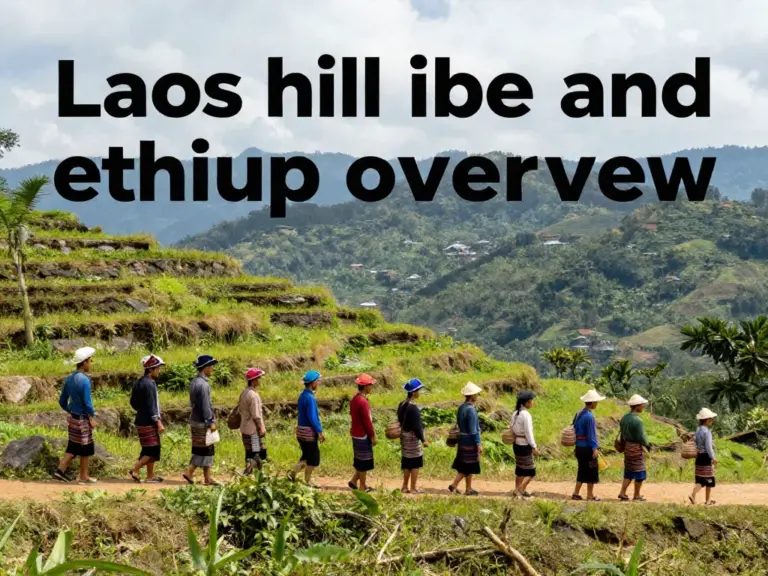
The ethnic tapestry of Laos is incredibly complex, officially recognized as consisting of 49 distinct ethnic groups. These are generally categorized by the altitude at which they traditionally live: the Lao Loum (lowland), the Lao Theung (mid-slope), and the Lao Soung (highland). When people refer to “hill tribes,” they are typically speaking about the Lao Theung and Lao Soung groups. Each of these groups brings a distinct heritage to the national identity, preserving ancient customs that have survived the rapid modernization of the 21st century.
The Lao Theung (Mid-Slope Dwellers)
Comprising the largest number of ethnic groups, the Lao Theung are considered the original inhabitants of the region. They primarily live on the slopes of the mountains and practice a mixture of animist beliefs and subsistence agriculture. Groups such as the Khmu are among the most prominent in this category. Their villages are often nestled in lush, remote areas, offering visitors a quiet experience of rural life that feels largely untouched by mass tourism.
The Lao Soung (Highland Dwellers)
Living at the highest altitudes, the Lao Soung include the Hmong, Yao (Mien), and Akha peoples. These groups historically migrated from southern China in the 19th century. They are renowned for their vibrant textiles, intricate silver jewelry, and distinct architectural styles. The Hmong, in particular, play a significant role in the cultural landscape of Northern Laos, with their New Year celebrations being a major highlight for cultural enthusiasts.
Why Visit the Hill Tribes of Laos?
Tourism to these regions is more than just sightseeing; it is an educational experience. By engaging with Laos’ hill tribes, travelers gain a deeper understanding of the challenges these communities face, from preserving their languages to adapting to climate change. Sustainable trekking tours often partner with local villages, ensuring that tourism revenue directly benefits the community through schools, clean water projects, and healthcare initiatives. It is a mutually beneficial exchange that fosters cross-cultural appreciation.
คำถามที่พบบ่อย (FAQ)
| Question | Answer |
|---|---|
| Which are the most famous hill tribes in Laos? | The Hmong, Khmu, and Akha are among the most well-known groups, each offering distinct cultural experiences for travelers. |
| Is it safe to visit remote ethnic villages? | Yes, it is generally safe. However, it is highly recommended to hire a certified local guide who speaks the language and understands local customs to ensure a respectful and smooth experience. |
| What is the best time of year to visit these communities? | The dry season, from November to February, is the best time. The weather is cool and pleasant for trekking, and it coincides with many traditional festivals. |