Top Highlights and Photography Tips: Iconic Stupas, Buddha Enshrines, Murals, and Best Photo Spots at Each Site (temple highlights, photography tips, golden stupa shots)
- Top Highlights and Photography Tips: Iconic Stupas, Buddha Enshrines, Murals, and Best Photo Spots at Each Site (temple highlights, photography tips, golden stupa shots)
- Capturing the Soul of Laos: An Introduction to Sacred Architecture
- Vientiane’s Golden Majesty: Pha That Luang
- Luang Prabang’s Artistic Gem: Wat Xieng Thong
- The Former Royal Temple: Haw Phra Kaew (Vientiane)
- Essential Gear and General Laos Temple Photography Tips
- คำถามที่พบบ่อย (FAQ)
- What is the best time of day to photograph the Golden Stupa?
- Are tripods allowed inside Laos temples?
- What is the proper etiquette when photographing Buddha images?
- Which city offers the most visually diverse temple photography opportunities?
Capturing the Soul of Laos: An Introduction to Sacred Architecture
Laos offers a photographic journey through history, spirituality, and architectural brilliance. From the towering golden stupas of Vientiane to the intricate wooden carvings of Luang Prabang, each site presents unique challenges and rewarding opportunities for photographers. Understanding the significance of these structures—whether they are revered Buddha enshrines or ancient murals—allows you to capture not just an image, but the very soul of Lao culture. Respectful photography is paramount; remember to always observe temple etiquette, especially concerning monks and sacred images.
Vientiane’s Golden Majesty: Pha That Luang
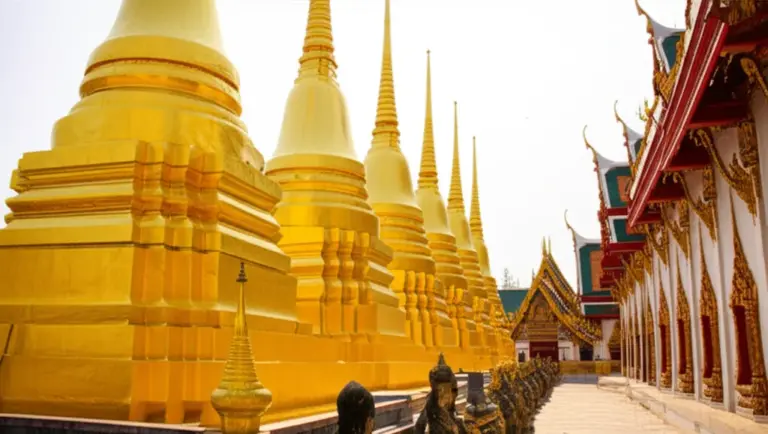
Pha That Luang, or the Great Stupa, is the most important national monument and religious symbol of Laos. Its central spire, covered in gold leaf, reaches skyward, dominating the Vientiane skyline. This site is the ultimate destination for those seeking iconic golden stupa shots.
Pha That Luang is located northeast of Vientiane’s city center and is easily accessible by tuk-tuk or taxi. The sheer scale of the compound requires a wide-angle lens for encompassing the entire structure, especially the surrounding cloisters and smaller temples.
Photography Tips for Golden Stupa Shots
- The Golden Hour: The best time for photography is sunrise or sunset. The low, warm light dramatically enhances the gold leaf, making the stupa glow. During midday, the light is often too harsh, washing out the details.
- Sunburst Effect: Try shooting slightly against the sun during the golden hour, using a narrow aperture (f/16 or higher) to capture a beautiful starburst effect off the pinnacle.
- Perspective Shift: Don’t just shoot from the ground level. Use the surrounding terraces and walls to find different angles, capturing the intricate tiered structure and the 30 smaller surrounding stupas.
Luang Prabang’s Artistic Gem: Wat Xieng Thong
Wat Xieng Thong, or the Temple of the Golden City, stands as a masterpiece of Lao temple architecture. Located at the confluence of the Mekong and Nam Khan rivers, this former royal temple is famous for its sweeping, multi-tiered roofline, and crucially, its stunning interior and exterior decoration, including the highly celebrated ‘Tree of Life’ mosaic.
Mastering Detail: Murals and Buddha Enshrines
When photographing the details at Wat Xieng Thong, particularly the mosaics and murals, patience and a steady hand are crucial. The ‘Tree of Life’ mosaic on the rear wall of the main sim (ordination hall) requires careful framing. Since flash photography is forbidden inside the halls to protect the ancient art, consider boosting your ISO slightly or using a lens with a wide aperture (f/2.8 or f/4) to maximize available light. The red chapel houses the rare reclining Buddha statue, which demands sensitivity and respect when capturing.
Visual Guide to Vientiane’s Highlights
Watch a short guide to Vientiane’s key attractions, including the location of Pha That Luang, to help plan your photographic route.
The Former Royal Temple: Haw Phra Kaew (Vientiane)
Haw Phra Kaew (Ho Phakeo) is not an active temple but a former royal temple turned museum, famous for having once housed the Emerald Buddha (now in Bangkok). While the original Buddha is gone, the museum is home to remarkable Buddha statues and intricate wooden carvings. The architecture is stunning, featuring a beautiful veranda and detailed stone pedestals.
Architectural Details and Best Light
Focus on the exterior details. The balustrades and the collection of bronze Buddhas lining the perimeter offer fantastic symmetrical and pattern-based shots. Early morning light illuminates the eastern side beautifully, highlighting the intricate carvings and the rich colors of the wood and stone. Since photography is often restricted inside the main hall, focus your lens on the external art and the reflections in the polished floors of the veranda.
Essential Gear and General Laos Temple Photography Tips
| Gear Recommendation | Photography Tip |
|---|---|
| Lens Choice: Wide-angle (16-35mm) for architecture; Telephoto (70-200mm) for isolating details on high stupas or roof carvings. | Composition: Use the sweeping rooflines and surrounding trees to frame the main subject, giving a sense of scale and context. |
| Tripod/Monopod: Often restricted inside religious areas. Use a small beanbag or rely on image stabilization for low-light shots of murals. | Depth of Field: Use a high aperture (f/8 to f/11) to ensure the entire temple structure, from foreground steps to the pinnacle, is sharp. |
| Polarizing Filter: Essential for cutting glare off the highly reflective gold leaf surfaces and darkening blue skies for dramatic effect. | Respectful Snaps: Always ask permission before photographing monks or local worshippers. Never point your feet towards a Buddha image. |
Following these **Laos temple photography tips** will ensure you capture the spiritual majesty of the country while maintaining respect for its sacred sites. Remember that the best photographs often come from observing the atmosphere and finding moments of quiet contemplation, rather than just rushing for the perfect technical shot. Look for the interplay of light and shadow on the ancient stone and wood, and you will find truly unique images.
คำถามที่พบบ่อย (FAQ)
References
- Lao Tourism Official Portal
- UNESCO World Heritage Centre: Luang Prabang
- Guide to Temple Etiquette in Southeast Asia
- Vientiane’s Sacred Sites: A Complete Visitor’s Guide to Pha That Luang and Wat Sisaket
- Why Pha That Luang and Wat Sisaket Matter: History, Cultural Significance, and Best Times to Visit (Pha That Luang history, Wat Sisaket significance, seasonal tips)
- Planning Your Visit: How to Get There, Entrance Fees, Dress Code, and Guided Tour Options (Vientiane temple logistics, transport, cost, tour recommendations)