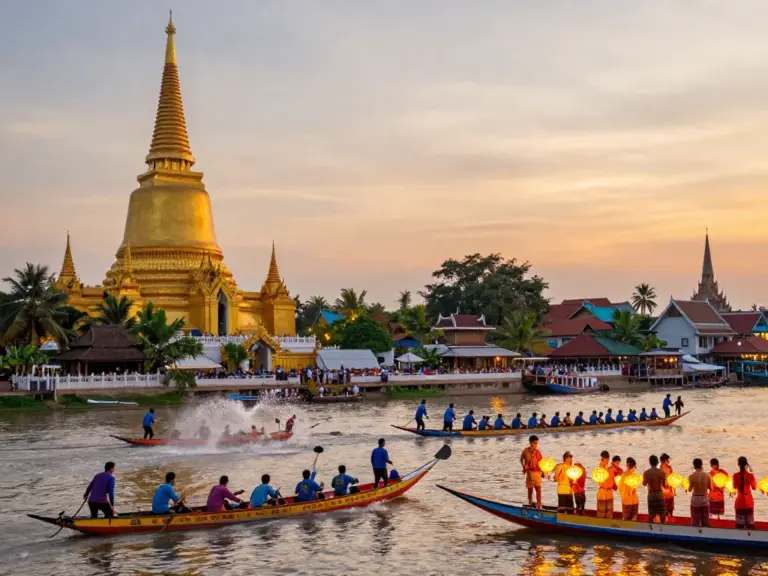
Highlight of Must-See Festivals: Boun That Luang, Pi Mai (Lao New Year), Boat Racing and Candle Festivals (dates, locations, signature activities, and cultural significance)
- Highlight of Must-See Festivals: Boun That Luang, Pi Mai (Lao New Year), Boat Racing and Candle Festivals (dates, locations, signature activities, and cultural significance)
Laos is a land of timeless traditions and vibrant spiritual celebrations. For anyone interested in Laos Tourism, timing a visit to coincide with a national festival offers an unparalleled window into the soul of the country. From the water-splashing joy of the New Year to the solemn golden glow of Boun That Luang, these festivals are more than just events; they are profound expressions of Buddhist faith and communal unity.
Pi Mai: The Joyous Lao New Year
Pi Mai, or Lao New Year, is perhaps the most significant celebration in the country. Occurring annually in mid-April (usually April 14–16), it marks the beginning of the Buddhist calendar and the arrival of the monsoon season. While celebrated nationwide, Luang Prabang offers the most traditional experience. The festival is characterized by the ritual washing of Buddha images with scented water, which symbolizes purification and the washing away of bad luck from the previous year.
Boun That Luang: The Grandest Religious Festival
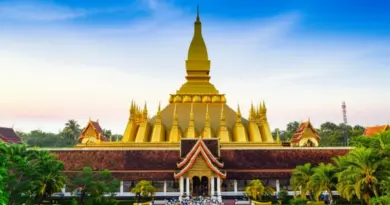
Held during the full moon of the 12th lunar month (usually November) in Vientiane, Boun That Luang is the most important religious festival in Laos. It centers around the Great Stupa (Pha That Luang), the national symbol of Lao sovereignty and Buddhist religion. Thousands of monks and devotees gather for a mass almsgiving ceremony (Tak Bat), creating a sea of orange robes against the golden backdrop of the stupa. The cultural significance lies in the merit-making and the renewal of the spiritual bond between the people and their faith.
The Boun Suang Heua: Boat Racing Festival
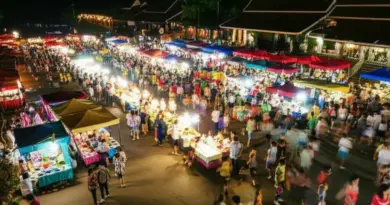
Coinciding with the end of Buddhist Lent (Boun Awk Phansa) in October, the Boat Racing Festival is a high-energy event held on the Mekong River. In Vientiane, the riverbanks come alive with food stalls, music, and thousands of spectators. The races involve long, slender wooden boats manned by up to 50 rowers. This festival pays homage to the Naga, the water spirits believed to protect the Mekong, and marks the transition from the rainy season to the harvest season.
| Festival | Location | Approximate Date | Significance |
|---|---|---|---|
| Pi Mai | Nationwide (Best in Luang Prabang) | April 14–16 | Lao New Year & Purification |
| Boun That Luang | Vientiane | November (Full Moon) | National Unity & Religious Devotion |
| Boat Racing | Vientiane / Luang Prabang | October | Honoring Water Spirits (Naga) |
| Candle Festival | Various Temples | July (Boun Khao Phansa) | Start of Buddhist Lent |
Boun Khao Phansa: The Candle Festival
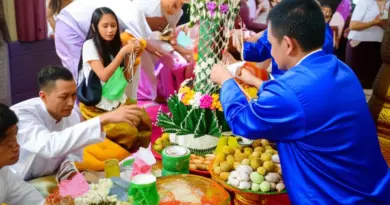
The Candle Festival marks the beginning of the three-month Buddhist Lent (Vassa), usually in July. During this period, monks remain within their temples to meditate and study. Devotees visit local temples to offer large, intricately carved candles and essential supplies to the monks. The flickering light of the candles symbolizes the enlightenment of the Buddha and the guidance of his teachings. It is a time of reflection, sobriety, and heightened spiritual practice for the Lao people.
คำถามที่พบบ่อย (FAQ)
What is the best time to visit Laos for festivals?
The best time is mid-April for the Pi Mai (New Year) celebrations or October/November for the Boat Racing and Boun That Luang festivals, as the weather is generally pleasant and the cultural activities are at their peak.
Are tourists allowed to participate in the water splashing during Pi Mai?
Absolutely! Tourists are encouraged to join in. However, it is important to be respectful—avoid splashing monks, elders, or people in formal attire, and always keep your electronics in waterproof bags.
What should I wear when attending Boun That Luang?
As this is a deeply religious event, you should wear modest clothing. Shoulders and knees must be covered. Wearing a traditional Lao ‘Sinh’ (skirt) for women or a formal shirt for men is highly appreciated by locals.
Is there an entry fee for these festivals?
Most public festivals like the Boat Racing and Pi Mai street celebrations are free. However, entering temple grounds like Pha That Luang during the festival may require a small nominal fee for maintenance.
References
- Laos’ Festivals and Events: A Calendar of Unforgettable Cultural Celebrations
- Overview of Lao Festival Seasons and What Visitors Should Expect (best time to visit, major annual cycles, and travel tips)
- Planning Your Trip Around Local Events: How to Book, Where to Stay, Transportation, and Budgeting for Festival Experiences