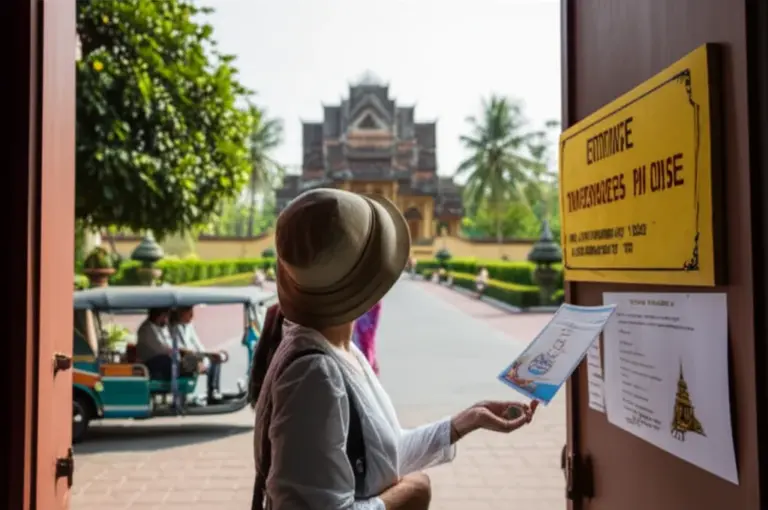
Planning Your Visit: How to Get There, Entrance Fees, Dress Code, and Guided Tour Options (Vientiane temple logistics, transport, cost, tour recommendations)
- Planning Your Visit: How to Get There, Entrance Fees, Dress Code, and Guided Tour Options (Vientiane temple logistics, transport, cost, tour recommendations)
- The Essential Vientiane Temple Circuit
- Navigating Vientiane: Transport Options for Temple Hopping
- Understanding the Costs: Entrance Fees and Operating Hours
- Temple Etiquette and Dress Code: Respecting Lao Culture
- Enhancing Your Experience: Guided Tour Options
- คำถามที่พบบ่อย (FAQ)
- What is the most important rule regarding dress code at Vientiane temples?
- Are the entrance fees standardized across all major temples?
- What is the best way to travel between temples in Vientiane?
- Is photography allowed inside the temple prayer halls?
Vientiane, the charming capital of Laos, offers a serene introduction to Southeast Asian Buddhist culture. Successfully navigating the city’s spiritual heart requires careful preparation. This comprehensive guide provides the essential details regarding Vientiane temple logistics, transport, cost, tour recommendations, ensuring your cultural exploration is respectful, efficient, and deeply rewarding. From understanding the appropriate dress code to mastering local transport, we cover everything you need to know before stepping foot inside these sacred sites.
The Essential Vientiane Temple Circuit
While Vientiane is home to dozens of temples, three sites form the core of any visitor’s itinerary, each offering unique historical and architectural significance. Planning your route around these locations optimizes your time and budget.
Key Temples and Logistics
- Pha That Luang (Great Stupa): The national symbol of Laos, located slightly outside the central grid. It requires dedicated transport.
- Wat Sisaket: Famous for its cloister wall housing thousands of tiny Buddha images, centrally located near the Presidential Palace.
- Haw Phra Kaew (Temple of the Emerald Buddha): Now a museum, this site is immediately adjacent to Wat Sisaket, making them an easy pair to visit consecutively.
The central tourist zone of Vientiane is highly walkable, allowing you to easily cover Wat Sisaket and Haw Phra Kaew on foot. However, reaching the iconic Pha That Luang or the Buddha Park (Wat Xieng Khuan) requires motorized transport. Choosing the right mode of transport is key to efficient Vientiane temple logistics, transport, cost, tour recommendations.
Tuk-Tuks and Taxis: Negotiating Fares
For travelers focused on convenience, hiring a taxi or using a ride-hailing app eliminates the need for negotiation. For a full morning of temple hopping, consider hiring a tuk-tuk driver for a set period (e.g., 3-4 hours) for a negotiated flat rate. This is often the most cost-effective solution for covering the main circuit.
Renting a Scooter or Bicycle
Vientiane is relatively flat and quiet compared to other Southeast Asian capitals, making cycling an excellent option for covering shorter distances between central temples. Scooter rental is suitable for those comfortable with local traffic, particularly for traveling to destinations further afield like the Great Stupa or the Mekong Riverside.
Understanding the Costs: Entrance Fees and Operating Hours
While many smaller local wats (temples) do not charge admission, the major historical and national sites implement a small fee to cover maintenance and preservation. These fees are typically very modest and are paid in Lao Kip (LAK) at the entrance booth.
Typical Fee Structure
| Temple Site | Approximate Fee (LAK) | Approximate Fee (USD) | Typical Hours |
|---|---|---|---|
| Pha That Luang | 30,000 LAK | ~$1.50 – $2.00 | 8:00 AM – 4:00 PM (Closed for lunch 12:00 PM – 1:00 PM) |
| Wat Sisaket | 10,000 LAK | ~$0.50 – $1.00 | 8:00 AM – 5:00 PM |
| Haw Phra Kaew | 10,000 LAK | ~$0.50 – $1.00 | 8:00 AM – 5:00 PM |
It is important to note that these fees and hours are subject to change, especially around major Lao holidays. Always carry small denominations of Lao Kip for entrance fees and small purchases.
Temple Etiquette and Dress Code: Respecting Lao Culture
The dress code in Vientiane temples is not merely a formality; it is a fundamental sign of respect for the local culture and religious practices. Failure to adhere to the guidelines may result in denied entry, particularly at major sites like Pha That Luang.
Mandatory Modesty Guidelines
-
Cover Shoulders and Chest
Both men and women must wear shirts that cover the shoulders entirely. Sleeveless tops, tank tops, and low-cut blouses are strictly prohibited.
-
Cover Knees
Shorts, skirts, or dresses must extend past the knee. Lightweight trousers or long skirts are ideal. Sarongs are often available for rent or purchase outside major temples if you arrive unprepared.
-
Footwear Protocol
Shoes and socks must always be removed before entering the *sim* (ordination hall) or any prayer area. They should be left neatly outside.
-
General Conduct
Avoid pointing your feet at Buddha images or monks, as the feet are considered the lowest part of the body. Sit with your legs tucked to the side (the ‘mermaid’ style) when resting inside the halls.
Enhancing Your Experience: Guided Tour Options
While self-guided visits offer flexibility, hiring a guide can profoundly enrich your understanding of Lao history, Theravada Buddhism, and the specific significance of each temple. This is a highly recommended component of effective Vientiane temple logistics, transport, cost, tour recommendations.
Local tour agencies offer half-day or full-day city tours that bundle transport and entry to the main temples (Pha That Luang, Wat Sisaket, Haw Phra Kaew, and sometimes Patuxai). These tours typically include air-conditioned transport and an English-speaking guide, removing the hassle of negotiating tuk-tuk fares and ensuring you receive historical context. Alternatively, look for independent, licensed guides available near the entrances of the major sites, though vetting their credibility is essential. The depth of knowledge provided by a guide transforms a simple sightseeing trip into a meaningful cultural immersion.
คำถามที่พบบ่อย (FAQ)
References
Laos Official Tourism Website
Vientiane Travel Guide and Tips
- Vientiane’s Sacred Sites: A Complete Visitor’s Guide to Pha That Luang and Wat Sisaket
- Why Pha That Luang and Wat Sisaket Matter: History, Cultural Significance, and Best Times to Visit (Pha That Luang history, Wat Sisaket significance, seasonal tips)
- Top Highlights and Photography Tips: Iconic Stupas, Buddha Enshrines, Murals, and Best Photo Spots at Each Site (temple highlights, photography tips, golden stupa shots)