Sand Stupas and Temple Offerings: The Spiritual Rituals Behind Pi Mai Celebrations
Pi Mai, the Lao New Year, is far more than just a water-soaked street party. While the joyful splashing of water captures the world’s attention, the heart of this sacred festival lies in the profound spiritual practices performed within the temple grounds. Among the most visually iconic and spiritually significant traditions are the construction of Sand Stupas and Temple Offerings. These rituals serve as a bridge between the community and the divine, acting as a symbolic act of merit-making that defines the essence of the Lao New Year.
The Sacred Art of Sand Stupas
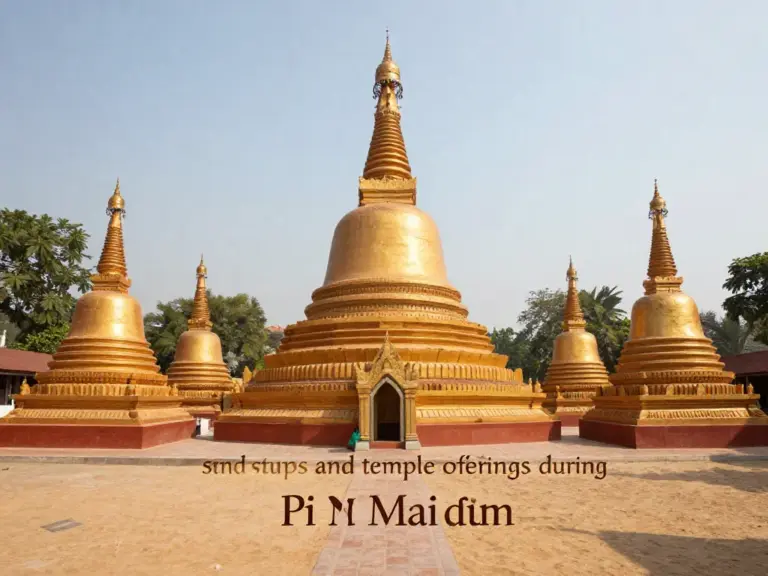
One of the most striking sights in any Lao temple during Pi Mai is the courtyard filled with intricate, miniature pagodas made of sand. These are not merely decorations; they are known as Phra Sai. Devotees believe that throughout the year, they inadvertently carry away sand from the temple grounds on their feet. This is considered a minor transgression against the sacred space. By building sand stupas, the faithful return this earth to the temple, symbolically purifying their karma and demonstrating their devotion.
The construction process is a communal effort. Families and friends gather, molding mounds of sand into tiered shapes that mimic the structure of a real stupa. They are often decorated with colorful flags, flowers, and incense, transforming the temple courtyard into a temporary landscape of faith. This collective act of creation fosters community bonds and reinforces the shared spiritual values of the Lao people.
Temple Offerings and Merit-Making
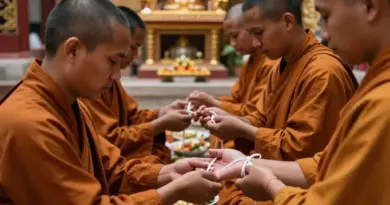
Beyond the sand, Sand Stupas and Temple Offerings go hand-in-hand as essential elements of the festival. Offerings made at the temple during Pi Mai are diverse and carry deep symbolic meaning. Devotees bring food, robes, and household necessities to offer to the monks, an act known as Tak Bat. This generosity is believed to accumulate merit, ensuring good fortune and spiritual well-being for the coming year.
| Offering Type | Symbolism |
|---|---|
| Flowers | Respect and the impermanence of life. |
| Incense | The fragrance of virtue and purity. |
| Water | Purification and washing away bad luck. |
Connecting with the Community
Participating in these rituals allows travelers to witness the true soul of Laos. While the water fights are exhilarating, taking a moment to observe the quiet, reverent atmosphere near the stupas offers a glimpse into the Buddhist philosophy that underpins Lao society. It is a time when the entire community, from the youngest children to the village elders, comes together to celebrate hope and renewal.
คำถามที่พบบ่อย (FAQ)
Building sand stupas is a way to return sand taken from the temple grounds throughout the year, symbolically cleaning one’s karma and showing respect to the sacred space.
Yes, tourists are generally welcome to observe and participate respectfully. Always dress modestly (shoulders and knees covered) and ask permission before taking photos.
Water is used to cleanse Buddha statues and temple objects, symbolizing the washing away of sins, bad luck, and negativity from the past year to start fresh.