What Is Lao New Year (Pi Mai)? Tradition, Meaning, and When It Happens
If you are planning a trip to Southeast Asia, few experiences are as culturally immersive and joyful as experiencing Lao New Year (Pi Mai). Known locally as Pi Mai Lao, this is the most important festival in the Lao calendar. It is a time of renewal, spiritual cleansing, and community celebration that transforms the quiet, serene streets of Laos into vibrant hubs of activity, water fights, and ancient rituals.
Understanding Pi Mai is essential for any traveler looking to connect with the heart of Lao culture. Whether you are in Luang Prabang for the elaborate processions or Vientiane for the energetic street parties, this festival offers a unique window into the soul of the nation.
When Does Lao New Year Happen?
Unlike the Gregorian calendar, Pi Mai is based on the Buddhist lunar calendar. It typically takes place in mid-April, usually from the 14th to the 16th. These dates mark the transition of the sun into Aries, symbolizing the end of the dry season and the beginning of the rainy season—a crucial time for agriculture in Laos. While the official holiday lasts three days, celebrations often extend for a full week, with locals returning to their hometowns to spend time with family.
The Meaning and Traditions of Pi Mai
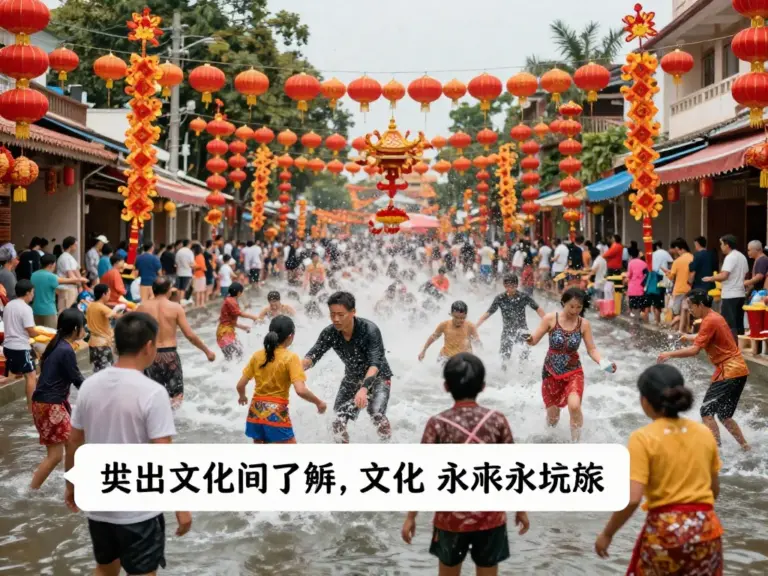
The core philosophy behind Lao New Year (Pi Mai) is purification. The water used during the festival is not just for fun; it is symbolic. It is used to wash away the bad luck, sins, and misfortunes of the previous year, preparing the body and spirit for a fresh start. You will see people pouring water over Buddha statues in temples, as well as over elders and friends as a sign of respect and well-wishing.
Key Rituals
- Cleaning the Home: Before the festivities begin, families deep-clean their homes to sweep out the past year’s negativity.
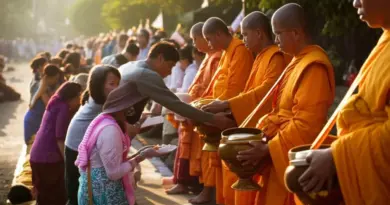
- Temple Visits: Locals bring offerings of flowers, incense, and candles to their local temples (Wat) to make merit.
- Sand Stupas: In temple courtyards, people build small sand stupas decorated with colorful flags and flowers, which are blessed by monks.
- Baci Ceremonies: This traditional Lao ritual involves tying white cotton threads around wrists to call back the 32 spirits (kwan) to the body, ensuring health and prosperity.
To get a better visual understanding of the energy and beauty of this festival, watch this highlight reel of the celebrations:
Where to Celebrate
While the entire country celebrates, Luang Prabang is widely considered the best place to experience the traditional side of Pi Mai. The city hosts UNESCO-heritage processions, the crowning of the Miss Pi Mai (Nang Sangkhane), and elaborate ceremonies that have remained unchanged for centuries. Vientiane offers a more modern, high-energy party atmosphere, great if you enjoy street music and large crowds.
คำถามที่พบบ่อย (FAQ)
Yes, it is safe, but be aware that transport can be crowded and many local businesses may close for the holidays. Plan your travel well in advance.
Wear quick-drying clothes that are modest. Avoid expensive fabrics or electronics that are not water-resistant, as you will almost certainly be splashed with water.
It is not mandatory, but it is a fun, cultural experience. If you prefer not to participate, it is best to stay inside your hotel during the peak afternoon hours when the water play is most active.