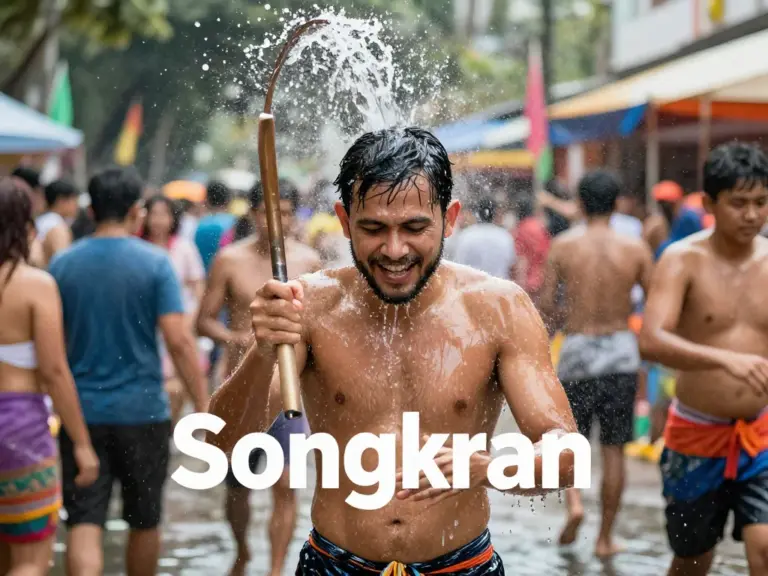
Why People Splash Water During Pi Mai: Blessings, Cleansing, and Community Fun
If you are planning a trip to Laos in mid-April, you are in for an unforgettable experience. The country transforms into a vibrant, wet, and joyous landscape during the Lao New Year, known as Pi Mai. But beyond the sheer fun of the water fights, have you ever wondered Why People Splash Water During Pi Mai? This isn’t just a random celebration; it is a deeply rooted tradition that blends spiritual cleansing, heartfelt blessings, and a profound sense of community unity.
Pi Mai is the most important festival in the Lao calendar. While the streets may look like a chaotic, playful war zone filled with buckets, hoses, and water guns, the underlying meaning is serene and respectful. Understanding this duality is the key to truly appreciating your travel experience in Laos.
The Spiritual Significance: Cleansing the Soul
At its core, the practice of splashing water is a symbolic act of purification. In Lao culture, water is seen as a life-giving element that washes away the misfortunes, bad luck, and sins of the previous year. By drenching one another, participants are essentially wishing each other a fresh start. It is a collective act of renewal, ensuring that everyone enters the new year with a clean slate, both physically and spiritually.
This ritual extends to the temples as well. You will often see locals gently pouring scented water over Buddha statues. This is a sign of deep reverence and respect, inviting blessings from the divine for the coming year. When you see this, remember that the playful water fights in the streets are essentially an extension of this sacred act, brought out into the public sphere to share joy with neighbors and strangers alike.
Community Fun and Social Bonding
Beyond the religious connotations, Why People Splash Water During Pi Mai is also about community cohesion. In modern life, we often find ourselves disconnected from our neighbors. Pi Mai breaks down these social barriers. During the festival, the hierarchy of age, status, and wealth dissolves under a deluge of water. Everyone is fair game, and everyone is equal.
The festival acts as a social glue. Families return to their hometowns, friends reunite, and communities organize street parties. The water is a medium through which laughter is shared, creating memories that strengthen bonds for the rest of the year. It is a time when the entire nation pauses to prioritize happiness and collective well-being.
Respectful Participation: A Guide for Tourists
As a visitor, you are invited to join in, but it is essential to do so with respect. While the streets are wild, the temple grounds are sacred. When near religious sites, observe the locals. If you are participating in the water fights, keep it friendly and avoid aiming at motorcyclists or those clearly trying to keep their belongings dry (like those carrying cameras or electronics).
| Activity | Purpose |
|---|---|
| Splashing Water | Cleansing, blessing, and good luck. |
| Pouring Water on Buddha | Showing respect and inviting merit. |
| Sand Stupa Building | Making merit and decorating temples. |
คำถามที่พบบ่อย (FAQ)
1. Is it rude to splash water at locals during Pi Mai?
No, it is not rude. In fact, it is expected! During Pi Mai, water splashing is a sign of good luck and friendship. As long as you are participating in the spirit of fun and are not being aggressive, you are part of the celebration.
2. What should I wear during the water festival?
Wear clothes that dry quickly and are modest. Avoid white clothing as it becomes transparent when wet. Keep your phone, wallet, and passport in waterproof bags or leave them at your accommodation.
3. When exactly does Pi Mai take place?
Pi Mai typically occurs from April 13th to 15th or 16th. It is fixed according to the Buddhist calendar, so dates are generally consistent every year.