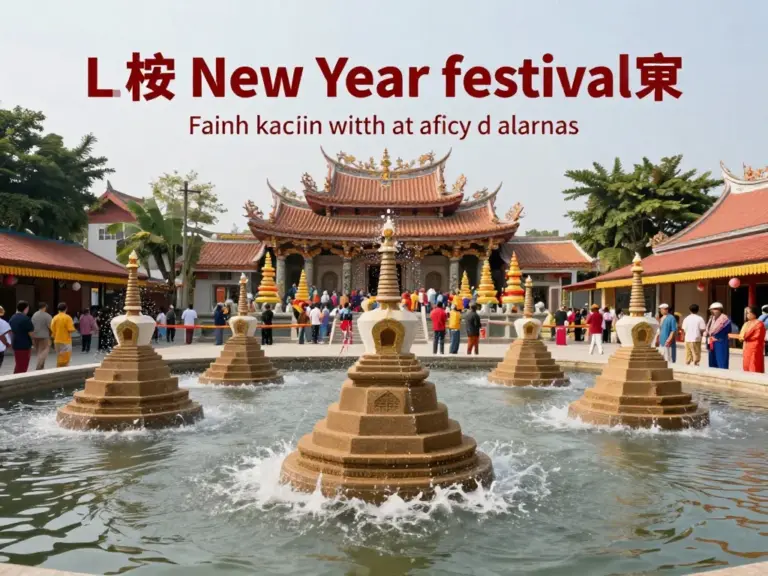
Lao New Year (Pi Mai) Festival: Water, Sand Stupas, and Temple Rituals
The Lao New Year (Pi Mai) Festival stands as the most anticipated and culturally significant event in the Laotian calendar. Celebrated annually in mid-April, this vibrant Buddhist festival marks the transition from the old year to the new, blending solemn religious observances with exuberant, joyous public celebrations. For travelers, it is an unparalleled opportunity to witness the heart of Laotian identity, where ancient traditions meet the refreshing spirit of renewal.
The Significance of Pi Mai: Renewal and Purification
At its core, the Lao New Year (Pi Mai) Festival is a time for purification. The concept of “cleansing” is central to the festivities, symbolizing the washing away of bad luck, sins, and misfortunes from the previous year to make space for a prosperous and healthy future. While the water fights in the streets are what most tourists see, the deeper meaning is rooted in the Buddhist philosophy of merit-making and respect for elders and sacred objects.
Water: The Symbol of Life
Water is the lifeblood of the festival. In the temples, you will observe devotees pouring scented water over Buddha statues. This act is not merely symbolic; it is a profound gesture of respect. Outside the temple walls, this tradition transforms into the famous street-wide water splashing. People douse one another with buckets, water guns, and garden hoses. It is a friendly, chaotic, and incredibly fun way to celebrate, where no one is considered a stranger.
Temple Rituals and Sand Stupas
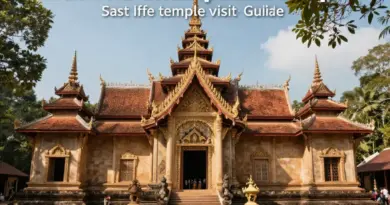
While the streets are filled with splashing water, the temple grounds offer a quieter, more spiritual experience. One of the most unique and beautiful traditions involves the construction of sand stupas. Devotees visit local temples, such as the famous Wat Xieng Thong in Luang Prabang, to build small mounds of sand shaped like stupas in the courtyard.
| Ritual Element | Purpose |
|---|---|
| Sand Stupas | To make merit and seek forgiveness for dirt carried away on shoes throughout the year. |
| Water Pouring | Purification of the spirit and cleansing of Buddha images. |
| Baci Ceremony | Spirit-calling ceremony to welcome the New Year and offer blessings. |
The Sand Stupa Symbolism
The sand is often decorated with colorful flags, flowers, and incense. These stupas are dedicated to the spirits of ancestors and are built to “return” the earth that devotees have unwittingly tracked out of the temple grounds on their feet during the past year. It is a humble, grounding ritual that highlights the deep connection between the Laotian people and their faith.
How to Experience Pi Mai Respectfully
As a visitor, participating in the Lao New Year (Pi Mai) Festival is a privilege. To ensure your visit is respectful and enjoyable:
- Dress Modestly: When visiting temples, ensure your shoulders and knees are covered.
- Protect Your Gear: If you are out on the streets, expect to get soaked. Use waterproof bags for cameras, phones, and passports.
- Join the Fun, but Be Mindful: While it is acceptable to join the water play, avoid splashing monks, the elderly, or those who are clearly on their way to work or temple.
- Respect the Rituals: If you see a religious procession, stand aside and observe quietly.
คำถามที่พบบ่อย (FAQ)
What is the best place to celebrate Pi Mai?
Luang Prabang is widely considered the most traditional and scenic place to celebrate. The town hosts grand processions, beauty pageants (Miss Pi Mai), and vibrant temple ceremonies that are deeply rooted in history.
Is it safe to travel during the festival?
Yes, it is very safe. However, roads can be busy, and shops or businesses may close for several days. Plan your travel logistics, such as buses and domestic flights, well in advance.
Do I need to participate in the water splashing?
Not at all. If you wish to stay dry, many locals will respect a polite “no thank you” gesture. However, carrying a protective layer or staying indoors during peak afternoon hours is the best way to avoid getting wet.