What to Expect on a Coffee Plantation Tour in Bolaven Plateau
If you are a coffee aficionado traveling through Southeast Asia, embarking on a coffee plantation tour in Bolaven Plateau is an essential experience. Located in southern Laos, this elevated region offers a unique microclimate that makes it the country’s premier coffee-growing hub. Beyond the aromatic beans, you will discover breathtaking waterfalls, ethnic minority villages, and a slower pace of life that defines this corner of Laos.
Visiting the Bolaven Plateau is more than just a sightseeing trip; it is an immersive agricultural adventure. Whether you are a casual drinker or a connoisseur, understanding the journey from soil to cup provides a newfound appreciation for every sip you take. Here is exactly what you can expect when booking your tour.
The Journey Through the Bolaven Plateau
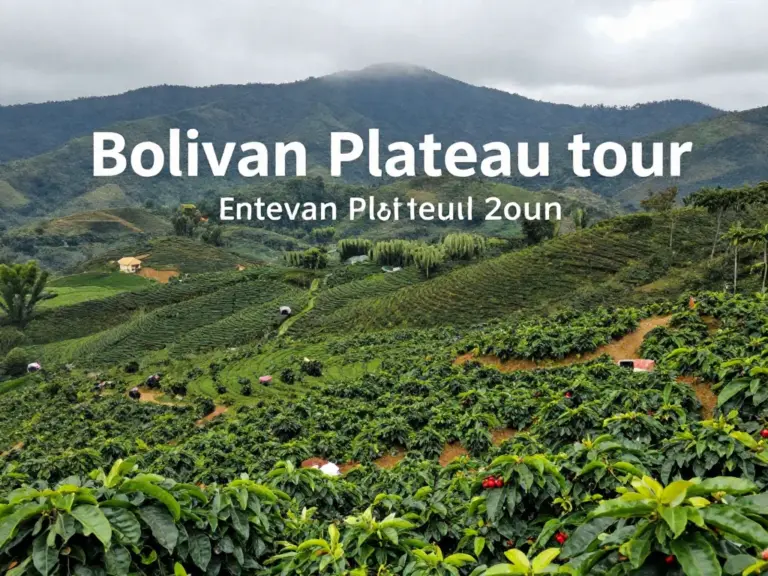
The journey to the plateau is an experience in itself. As you ascend from the lowlands near Pakse, the temperature drops, and the landscape transforms into lush, rolling hills covered in volcanic soil. This fertile ground is the secret ingredient behind the high-quality Arabica and Robusta beans produced here.
Bean-to-Cup: The Plantation Experience
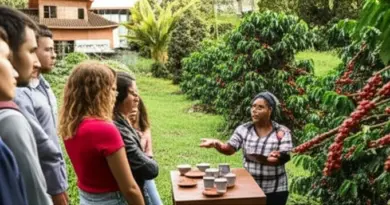
When you arrive at a farm, you will typically be guided through the entire production cycle. Most tours are educational and hands-on, allowing you to see the labor-intensive process required to create premium coffee.
What the Tour Covers:
- Cultivation: Learning about the different varieties of coffee plants and the ideal shade-grown conditions.
- Harvesting: Understanding the careful selection of red, ripe coffee cherries.
- Processing: Watching the wet or dry processing methods used to extract the bean from the fruit.
- Roasting: Seeing how the green beans are roasted to develop their unique flavor profiles.
- Tasting: The highlight of every tour—sampling freshly brewed local coffee.
Beyond the Coffee
A coffee plantation tour in Bolaven Plateau rarely ends with just coffee. The area is home to some of Laos’ most spectacular natural sites. Many tours include stops at iconic waterfalls like Tad Fane and Tad Yuang. Additionally, you will often have the chance to interact with local communities, learning about the diverse ethnic groups that have cultivated this land for generations.
คำถามที่พบบ่อย (FAQ)
1. When is the best time of year to visit the coffee plantations?
The best time to visit is during the dry season, from November to February, which coincides with the coffee harvest. However, the plateau is cooler than the rest of Laos year-round, making it a pleasant destination at any time.
2. Do I need to book a tour in advance?
While you can sometimes find tours on the spot in Pakse, it is highly recommended to book in advance, especially if you want a guided experience with English-speaking experts or a private excursion.
3. What should I wear on a plantation tour?
Wear comfortable walking shoes and light, breathable clothing. Since the plateau is at a higher elevation, it can get chilly, especially in the early mornings or evenings, so bringing a light jacket or sweater is advisable.