What to Know Before You Go: Cultural Context and Why Temple Etiquette Matters in Laos
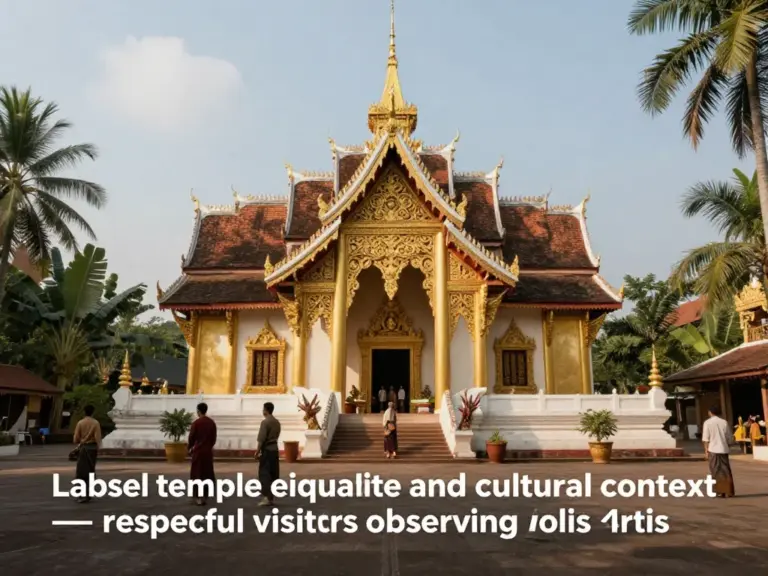
Laos, often referred to as the ‘Land of a Million Elephants,’ is a country where spirituality is woven into the very fabric of daily life. For anyone engaging in laos tourism, visiting the stunning ‘Wats’ (temples) is an inevitable and enriching highlight. However, these are not merely tourist attractions; they are active places of worship and community centers. Understanding the cultural context and adhering to temple etiquette is crucial for showing respect to the local people and their deeply held Buddhist traditions.
The Spiritual Heart of Laos Tourism
Theravada Buddhism is the dominant religion in Laos, influencing everything from the architecture to the gentle temperament of its citizens. When you step into a temple compound in Luang Prabang or Vientiane, you are entering a sacred space. The monks who reside there are highly respected figures in Lao society. By following proper etiquette, you contribute to the preservation of this living heritage and ensure that laos tourism remains a positive force for cultural exchange.
Essential Temple Etiquette: Do’s and Don’ts
To navigate these sacred sites gracefully, keep the following guidelines in mind. These rules apply to almost all Buddhist sites across the country.
- Dress Modestly: Shoulders and knees must be covered. For women, wearing a traditional Lao ‘Sinh’ (skirt) is a beautiful way to show respect.
- Remove Footwear: Always take off your shoes and hat before entering the main temple building (Sim).
- Keep Quiet: Speak in whispers and avoid loud laughter or disruptive behavior.
- Body Language: Never point your feet at a Buddha image or a monk, as feet are considered the lowest and ‘dirtiest’ part of the body.
Why Etiquette Matters for Sustainable Travel
Respectful behavior is the cornerstone of sustainable laos tourism. When tourists ignore local customs, it can lead to friction and the eventual restriction of access to these beautiful sites. By dressing appropriately and acting mindfully, you show the local community that you value their culture as much as the photo opportunity. This mutual respect fosters a more welcoming environment for future travelers and keeps the traditions alive and thriving.
| Item | Proper Etiquette | What to Avoid |
|---|---|---|
| Clothing | Covered shoulders & knees | Shorts, tank tops, bikinis |
| Photography | Ask permission first | Using flash or blocking rituals |
| Interaction | The ‘Wai’ gesture | Hugging or touching monks |
The Alms Giving Ceremony (Tak Bat)
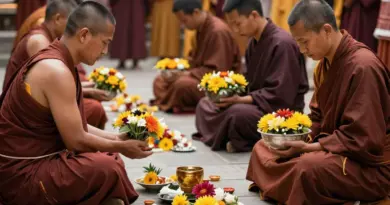
One of the most iconic images of laos tourism is the morning Alms Giving. While beautiful to witness, it is a solemn religious practice. If you choose to participate or observe, maintain a respectful distance, do not use flash photography, and dress very conservatively. This is a time of meditation for the monks and a merit-making ritual for the laypeople; it is not a parade.
คำถามที่พบบ่อย (FAQ)
What should I wear to a temple in Laos?
Both men and women should wear clothing that covers the shoulders and knees. A t-shirt and long trousers or a long skirt are ideal. Many temples provide sarongs for rent at the entrance.
Can I take photos inside the temples?
In most cases, photography is allowed, but you should never use a flash. Always look for signs that might prohibit photography in specific areas, and never take photos of people praying without their consent.
How should I greet a monk?
The traditional greeting is the ‘Wai’—placing your palms together in a prayer-like gesture at chest level and bowing slightly. Avoid physical contact, especially if you are female.
Is it okay to visit temples during prayer times?
Yes, but you must be exceptionally quiet and sit at the back of the room. Do not stand up while others are praying or meditating, and ensure your head is lower than the Buddha images.
References
UNESCO World Heritage Centre – Luang Prabang
- Temple Etiquette in Laos: Essential Dress Codes, Dos and Don’ts for Respectful Visits
- Appropriate Dress Codes Explained: Clothing Guidelines for Men, Women, and Children (Including Long-tail Tips for Hot Weather)
- Behavioral Dos and Don’ts Inside and Around Temples: Photography, Offerings, and Interacting with Monks