A Culinary Journey Through Laos: Must-Try Dishes and Where to Find Them
- A Culinary Journey Through Laos: Must-Try Dishes and Where to Find Them
- The Heart of Lao Cuisine: Sticky Rice (Khao Niao)
- Iconic Dishes You Can’t Miss in Laos
- Experiencing Lao Street Food and Markets
- Beyond the Plate: Laotian Beverages and Sweets
- Tips for Your Culinary Adventure in Laos
- คำถามที่พบบ่อย (FAQ)
- What is the most important staple food in Laos?
- How does Lao papaya salad (Tam Mak Hoong) differ from Thai papaya salad?
- What is Or Lam and where can I try it?
- Are there good options for street food in Laos?
Welcome, adventurers and food lovers, to an unforgettable exploration of Laos’s rich and vibrant culinary landscape! If you’re planning a trip as part of your laos Tourism experience, prepare to tantalize your taste buds with unique flavors, aromatic herbs, and a dining culture deeply rooted in community and tradition. Lao cuisine, often overshadowed by its more famous neighbors, holds a distinct charm that promises a truly authentic and delicious adventure. From bustling morning markets to serene riverside restaurants, every meal in Laos tells a story, reflecting the country’s diverse ethnic groups and abundant natural resources. This guide will introduce you to the essential dishes you simply must try and point you to the best places to savor them. Get ready to dive into a world where sticky rice is king, fresh herbs abound, and every bite is a discovery.
The Heart of Lao Cuisine: Sticky Rice (Khao Niao)
No discussion of Lao food can begin without honoring Khao Niao, or sticky rice. This glutinous staple isn’t just a side dish; it’s the foundation of almost every meal and a central part of Lao identity. Traditionally eaten with your hands, rolled into small balls and used to scoop up other dishes, sticky rice offers a unique texture and subtle sweetness that perfectly complements the spicy, sour, and savory flavors of Lao cuisine. It’s more than just food; it’s a communal experience, often shared from a single basket, fostering connection and conviviality. You’ll find sticky rice everywhere, from street food stalls to high-end restaurants, always served in its iconic woven bamboo basket.
Iconic Dishes You Can’t Miss in Laos
Prepare your palate for an explosion of flavors with these quintessential Lao dishes:
Larb (Lao Minced Meat Salad)
Often hailed as the unofficial national dish, Larb (or Laap) is a vibrant and aromatic minced meat salad. It typically consists of finely chopped meat (chicken, beef, pork, duck, or fish) mixed with toasted ground sticky rice, lime juice, fish sauce, chilies, and a generous medley of fresh herbs like mint, coriander, and spring onions. The toasted rice powder adds a delightful nutty texture and depth of flavor. Larb is incredibly fresh, spicy, and tangy, embodying the balance of Lao flavors. Discover more about Larb and other Lao dishes in this culinary video guide. [2] You can find excellent Larb at almost any local restaurant across Laos, particularly in Vientiane and Luang Prabang. Look for establishments bustling with locals for the most authentic experience.
Tam Mak Hoong (Spicy Green Papaya Salad)
While similar to its Thai cousin, Lao Tam Mak Hoong is distinctively bolder, funkier, and often spicier. Made by pounding shredded green papaya with chilies, garlic, tomatoes, fish sauce, lime juice, and a healthy dose of padaek (fermented fish sauce) in a traditional mortar and pestle, this salad is an intense sensory experience. It’s salty, sour, spicy, and has a unique umami kick that sets it apart. It’s a must-try for those seeking an authentic taste of Lao spiciness. Street vendors and local eateries, especially in markets, are the best places to find this fiery delight.
Khao Piak Sen (Lao Noodle Soup)
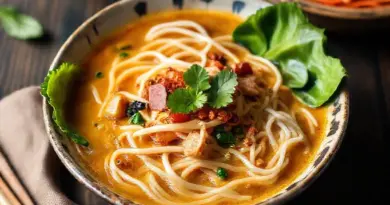
For comfort in a bowl, look no further than Khao Piak Sen. This hearty noodle soup features thick, hand-cut tapioca or rice noodles cooked directly in the broth, which thickens it to a comforting, velvety consistency. The broth is usually simmered with chicken or pork, infused with galangal, lemongrass, and kaffir lime leaves. Topped with shredded chicken or pork, fried garlic, and fresh herbs, it’s a warming and deeply satisfying meal, perfect for breakfast or any time of day. You’ll find excellent versions at local noodle stalls throughout Vientiane and Luang Prabang.
Mok Pa (Steamed Fish in Banana Leaves)
A truly aromatic dish, Mok Pa showcases the delicate flavors of freshwater fish. Fillets of fish are marinated with a paste of lemongrass, dill, spring onions, chilies, and a touch of sticky rice flour, then wrapped in banana leaves and steamed until tender and fragrant. The banana leaves impart a subtle, earthy aroma, and the steaming process locks in moisture, resulting in incredibly succulent fish. This dish is a testament to the gentle yet flavorful side of Lao cooking. Many traditional Lao restaurants will feature Mok Pa on their menu.
Or Lam (Lao Stew)
Originating from Luang Prabang, Or Lam is a unique and complex stew that highlights the wild and earthy ingredients of northern Laos. It’s a thick, spicy, and slightly bitter stew made with eggplant, black mushrooms, yard-long beans, and often a choice of meat (such as buffalo or pork). Its distinctive flavor comes from sakhaan (a woody vine that provides a numbing sensation) and phak i leut (wild pepper leaves). Or Lam is a true culinary adventure and can be found in traditional Lao restaurants, especially in Luang Prabang.
Sai Oua (Lao Sausage)
This flavorful grilled pork sausage is a street food favorite. Sai Oua is packed with fresh herbs like lemongrass, kaffir lime leaves, galangal, and chilies, giving it a wonderfully aromatic and slightly spicy kick. It’s often served with sticky rice and a dipping sauce, making for a perfect snack or a light meal. You’ll find it sizzling on grills at markets and roadside stalls across Laos.
Experiencing Lao Street Food and Markets
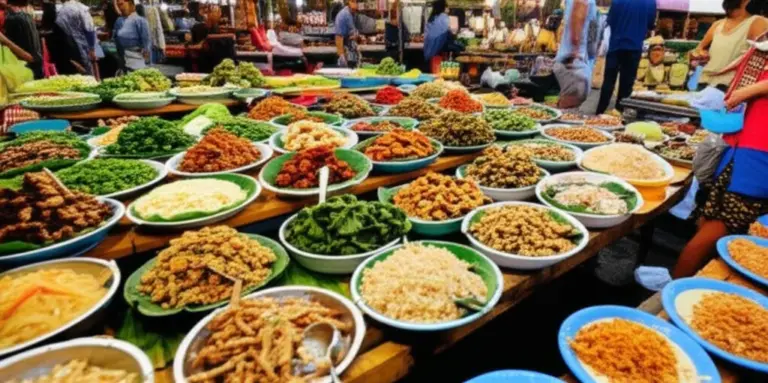
For an immersive laos Tourism culinary experience, exploring local markets and street food scenes is essential. Places like Vientiane’s morning markets (e.g., Khua Din Market) and Luang Prabang’s night market transform into vibrant food havens, offering an incredible array of ready-to-eat dishes, fresh produce, and local delicacies. Don’t be shy; embrace the opportunity to try various snacks, grilled meats, and refreshing fruit shakes. It’s here that you’ll witness the true rhythm of Lao daily life and taste the freshest, most authentic flavors. Always look for stalls with high turnover and a steady stream of local customers for the best and safest options.
Beyond the Plate: Laotian Beverages and Sweets
Quench your thirst with a refreshing Nam Pan (fruit shake), often made with fresh mango, passion fruit, or coconut. And for coffee enthusiasts, Lao coffee is a rich, dark, and often sweet treat, typically served with condensed milk. For a sweet ending, try Khao Nom Kok, small coconut-rice pancakes, or the universally loved Khao Niao Mamuang (sticky rice with mango) when mangoes are in season.
Tips for Your Culinary Adventure in Laos
- Embrace Sticky Rice Etiquette: Eat sticky rice with your right hand, rolling it into small balls before dipping into dishes.
- Mind the Spice: Lao food can be very spicy. If you’re sensitive, ask for ‘mai phet’ (not spicy).
- Stay Hydrated: Always drink bottled water.
- Be Adventurous: Don’t be afraid to try new things, even if they look unfamiliar. That’s part of the journey!
- Explore Local Eateries: While hotels offer good food, the most authentic and memorable meals are often found at local restaurants and street stalls.
Your laos Tourism experience will be incomplete without diving deep into its culinary heart. The food of Laos is an adventure in itself, full of bold flavors, fresh ingredients, and a warm, communal spirit. So pack your appetite and prepare for a journey that will delight your senses and leave you with delicious memories.
คำถามที่พบบ่อย (FAQ)
References
- Why Lao Cuisine Matters: Flavors, Cultural Context, and What to Expect as a First-Time Eater in Laos
- Top Must-Try Lao Dishes Explained: Lao Larb, Khao Niaw, Tam Mak Hoong, Mok Pa, and Regional Variations
- Where to Find Authentic Lao Food: Best Markets, Street Stalls, Restaurants, and Food Tours in Vientiane, Luang Prabang, and Luang Namtha