Why Lao Cuisine Matters: Flavors, Cultural Context, and What to Expect as a First-Time Eater in Laos
- Why Lao Cuisine Matters: Flavors, Cultural Context, and What to Expect as a First-Time Eater in Laos
Embarking on a journey through Laos is an adventure for all senses, and at its very heart lies an extraordinary culinary tradition. For anyone planning their Laos tourism experience, understanding Lao cuisine isn’t just about finding something delicious to eat; it’s about delving into the soul of a nation. Often overshadowed by its more famous neighbors, Lao food offers a unique tapestry of flavors, deeply intertwined with its rich history, spiritual beliefs, and communal way of life. This guide will take you through the distinctive tastes, cultural significance, and practical tips for first-time eaters, ensuring your culinary exploration of Laos is as enriching as it is delicious.
Discovering the Heart of Laos Through Its Cuisine: A Guide for Laos Tourism
Lao cuisine is characterized by its emphasis on fresh, local ingredients, aromatic herbs, and a delicate balance of spicy, sour, salty, and sweet. Unlike some Southeast Asian fares, Lao food tends to be less sweet and often features a pungent, fermented depth, particularly from ‘padaek’ (fermented fish sauce), which is a cornerstone of many dishes. This distinct flavor profile is what makes Lao food truly stand out and offers a unique culinary adventure for visitors exploring Laos tourism. [8, 9]
The Unmistakable Flavors of Laos
To truly appreciate Lao cuisine, one must understand its foundational elements and iconic dishes:
- Khao Niao (Sticky Rice): This is the undisputed king of Lao food. Served in a small woven basket (thip khao), sticky rice is eaten with virtually every meal, acting as the primary utensil and often dipped into various dishes and sauces. It’s a communal food, passed around and shared among diners. [1, 6, 8]
- Larb (Laap): Considered the national dish, Larb is a vibrant ‘meat salad’ made with minced meat (chicken, beef, pork, or fish) mixed with toasted ground rice, fresh herbs like mint and cilantro, lime juice, and fish sauce. It’s incredibly fresh, aromatic, and spicy, embodying the core flavors of Laos. [4, 6, 8]
- Tam Mak Hoong (Spicy Papaya Salad): While similar to Thai som tum, the Lao version is distinctively spicier, tangier, and often includes more pungent ingredients like fermented crab and padaek. It’s a fiery explosion of flavors that will awaken your palate. [6, 9]
- Jeow (Dipping Sauces): These chili-based dipping sauces are ubiquitous and come in many varieties (e.g., jeow bong with buffalo skin, jeow mak keua with eggplant). They are essential accompaniments to sticky rice, grilled meats, and fresh vegetables. [1]
- Or Lam (Lao Stew): A hearty, subtly bitter, and spicy stew originating from Luang Prabang, featuring a unique blend of vegetables, mushrooms, beans, and meat, often thickened with sticky rice powder. Its distinct flavor comes from local herbs and spices like dill and chili. [9]
Pro Tip for Your Laos Tourism Food Adventure!
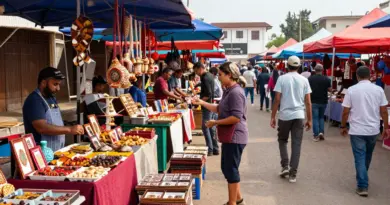
Don’t be afraid to try the local markets for an authentic experience. They offer a vast array of fresh produce, grilled delights, and ready-to-eat snacks. Just remember to go early for the best selection!
Cultural Context: More Than Just Food
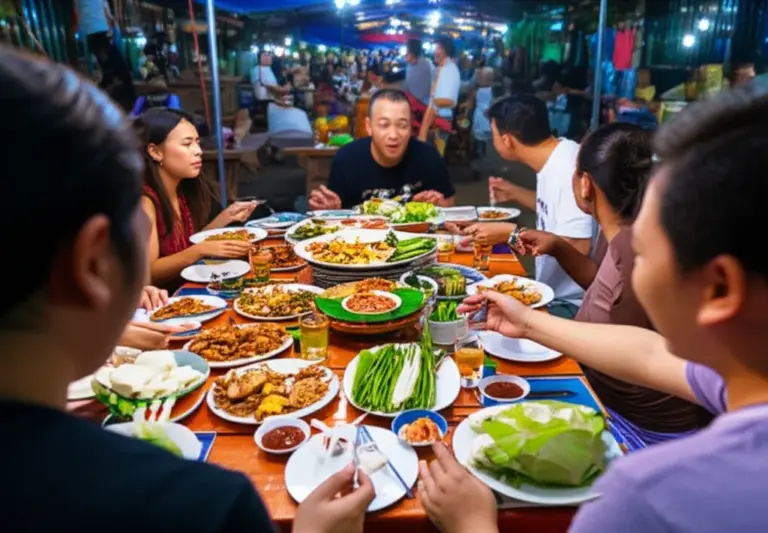
Food in Laos is deeply embedded in its cultural fabric. Meals are typically communal, served family-style with everyone sharing from central dishes. This practice fosters strong social bonds and reflects the Lao value of generosity and togetherness. The freshness of ingredients is paramount, with many dishes featuring herbs picked directly from gardens or sourced from local markets on the same day. This ‘farm-to-table’ approach is not a trend but a way of life, reflecting the country’s close relationship with its agricultural landscape.
While Lao cuisine shares similarities with its Thai and Vietnamese counterparts, it maintains a unique identity. For instance, while Thai cuisine often balances sweet, sour, salty, and spicy, Lao food leans heavily on sour and spicy notes, with the deep umami of padaek being a defining characteristic. The French colonial influence also left its mark, particularly in the form of excellent baguettes (khao jee) and rich Lao coffee, which are staples for breakfast. [2, 6]
For those new to Lao food during their Laos tourism adventure, here are some tips to enhance your experience:
- Embrace the Spice: Lao food can be quite spicy. If you’re sensitive to heat, don’t hesitate to ask for ‘bo phet’ (not spicy) or ‘phet noi’ (a little spicy), though some dishes inherently have a kick. Have sticky rice and water ready! [2, 3]
- Sticky Rice Etiquette: Use your right hand to roll a small ball of sticky rice and use it to scoop up other dishes. It’s perfectly acceptable and encouraged! [1]
- Street Food Adventures: Don’t shy away from street food stalls. They offer some of the most authentic and delicious experiences. Look for stalls with high turnover and freshly cooked items to ensure hygiene. [1, 2, 3, 4, 7]
- Must-Try Beverages: Quench your thirst with a refreshing Beerlao, a local favorite, or enjoy the strong, sweet Lao coffee. Fresh fruit shakes are also widely available and delicious. [6]
- Dietary Considerations: While meat is central, vegetarian options are increasingly available, especially in tourist areas. Dishes like tam mak hoong can be made vegetarian, and many noodle soups can be adapted. Always communicate your dietary needs clearly. [2]
Where to Savor Authentic Lao Flavors During Your Laos Tourism Adventure
From bustling morning markets to serene riverside restaurants, Laos offers countless opportunities to indulge in its culinary delights:
- Local Markets: Vientiane’s Khua Din Market or Luang Prabang’s Morning Market are vibrant hubs where you can find everything from fresh produce to ready-to-eat snacks and traditional meals. [1]
- Small Family-Run Eateries: Look for local ‘khao piak’ (noodle soup) shops or unassuming restaurants that often serve the most authentic and delicious home-style cooking. [7]
- Cooking Classes: Participate in a cooking class, especially in Luang Prabang, to learn the secrets of Lao cuisine firsthand and bring a taste of Laos back home. [8]
In conclusion, Lao cuisine is far more than just sustenance; it’s a profound expression of culture, history, and community. For anyone engaging in Laos tourism, embracing its food offers an unparalleled gateway to understanding this beautiful country. So, come with an open mind and an adventurous palate, and prepare to be captivated by the subtle yet powerful flavors of Laos.
คำถามที่พบบ่อย (FAQ)
References
- Lao Street Food – GIANT STICKY RICE Feast and Stuffed Chili Fish in Vientiane, Laos!
- We Tried Laos Street Food (Vientiane Food Tour) | VLOG #84
- Lao Street Food Tour in Vientiane | Cheap & Delicious Snacks
- Laos Top Travel Street Food Guide
- 24 Hours of Eating Bizarre Laos Street Food!!
- The Fascinating Cuisine of Laos: From Sticky Rice to Mekong Stingrays
- Is LAOS FOOD the most underrated cuisine? | A tour of GORDON RAMSAY’S #1 Food Destination
- Laos Food Tour: Hidden Gem of Southeast Asian Cuisine Revealed!
- A Culinary Journey Through Laos: Must-Try Dishes and Where to Find Them
- Top Must-Try Lao Dishes Explained: Lao Larb, Khao Niaw, Tam Mak Hoong, Mok Pa, and Regional Variations
- Where to Find Authentic Lao Food: Best Markets, Street Stalls, Restaurants, and Food Tours in Vientiane, Luang Prabang, and Luang Namtha