Luang Prabang’s UNESCO World Heritage: A Complete Visitor’s Guide to Temples, Architecture, and Cultural Etiquette
- Luang Prabang’s UNESCO World Heritage: A Complete Visitor’s Guide to Temples, Architecture, and Cultural Etiquette
Nestled at the confluence of the Mekong and Nam Khan rivers, Luang Prabang stands as the jewel of Southeast Asia. Since 1995, Luang Prabang’s UNESCO World Heritage status has protected this breathtaking valley, ensuring that its unique fusion of traditional Lao and French colonial architecture remains preserved for generations. For any traveler exploring Laos tourism, this city offers more than just sightseeing; it provides a spiritual journey into a living heritage site where ancient traditions meet modern serenity.
The Architectural Fusion: A Blend of Two Worlds
What makes Luang Prabang truly unique is its ‘urban landscape.’ The UNESCO designation recognizes the harmonious marriage between traditional Lao wooden houses and the brick-and-stucco structures of the European colonial period. As you walk through the historic peninsula, you will notice the intricate wood carvings of the Vat (temples) standing side-by-side with shuttered windows and balconies reminiscent of 19th-century France.
Must-Visit Temples: The Spiritual Core
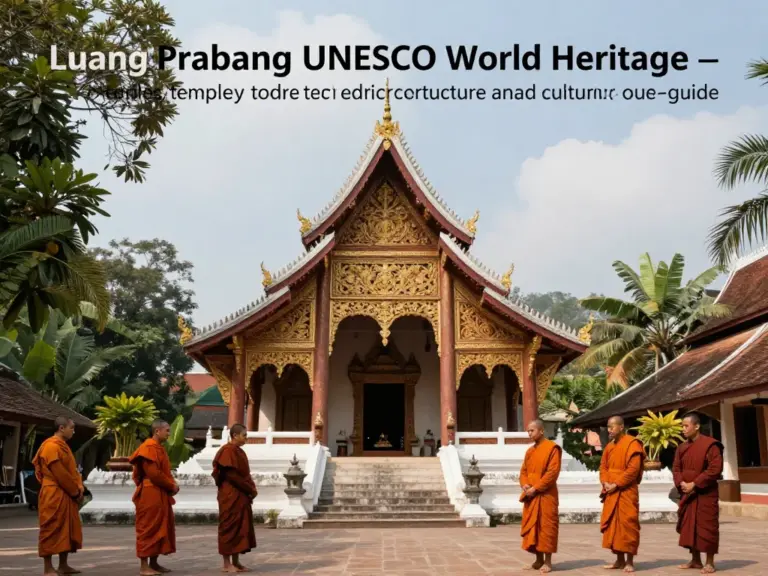
Luang Prabang’s UNESCO World Heritage site is home to over 30 active temples. These are not mere museums; they are vibrant centers of community life and Buddhist practice.
- Wat Xieng Thong: Known as the ‘Temple of the Golden City,’ this is the most magnificent example of Luang Prabang style, featuring a sweeping roof that reaches nearly to the ground and the famous ‘Tree of Life’ mosaic.
- Wat Mai Suwannaphumaham: Located near the Royal Palace, it is famous for its gilded bas-relief panels depicting scenes from the Ramayana and the life of Buddha.
- Wat Visounnarath: The city’s oldest temple, featuring the unusually shaped ‘Watermelon Stupa.’
Cultural Etiquette: Respecting the Sacred
Because Luang Prabang is a living heritage site, visitors must adhere to strict cultural norms to maintain the sanctity of the environment. Respect is the cornerstone of Laos tourism.
| Context | Do’s | Don’ts |
|---|---|---|
| Dress Code | Cover shoulders and knees. Wear a Lao Sinh (sarong) if possible. | Wear shorts, tank tops, or revealing clothing. |
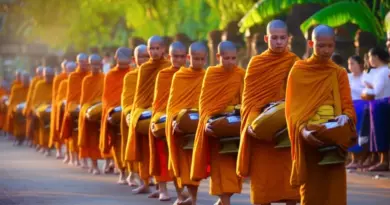
| Alms Giving (Sai Bat) | Observe in silence. Keep a respectful distance. | Use flash photography or interrupt the procession. |
| Social Interaction | Greet with a ‘Nop’ (hands together). | Touch someone’s head or use feet to point at objects. |
The Royal Palace and Mount Phousi
The Haw Kham, or Royal Palace Museum, offers a glimpse into the lives of the former Lao royalty. Built in 1904, it blends Lao and French Beaux-Arts styles. Just across the street lies Mount Phousi. Climbing its 300+ steps at sunset provides a panoramic view of the UNESCO protected zone, the Mekong River, and the surrounding mountains.
Sustainable Tourism in Luang Prabang
Preserving Luang Prabang’s UNESCO World Heritage status requires effort from both locals and visitors. Support the local economy by purchasing authentic handicrafts from the Night Market and dining at restaurants that use locally sourced ingredients. Avoid plastic waste and be mindful of your water consumption in this delicate ecosystem.
คำถามที่พ่อย (FAQ)
What is the best time to visit Luang Prabang?
The best time to visit is during the dry season, from November to February, when the weather is cool and pleasant for walking and temple tours.
Is there an entrance fee for the UNESCO sites?
While the city itself is free to walk through, individual temples like Wat Xieng Thong and the Royal Palace Museum require a small entrance fee (usually between 20,000 to 30,000 Kip).
What should I wear when visiting temples?
Both men and women should wear clothing that covers their shoulders and knees. It is also customary to remove your shoes before entering any temple building.
How do I participate in the Morning Alms Giving?
If you wish to participate, arrive early, dress conservatively, and buy your sticky rice from local vendors. However, many find it more respectful to observe quietly from across the street.
References
- History and Significance: How Luang Prabang Earned UNESCO World Heritage Status and What It Means Today
- Top Temples and Architectural Highlights: Must-See Wats, Royal Palace, and Distinctive Lao-French Colonial Buildings
- Visitor Planning and Practical Tips: Best Times to Visit, Guided Tours, Dress Code, and Photography Etiquette at Sacred Sites