Visitor Planning and Practical Tips: Best Times to Visit, Guided Tours, Dress Code, and Photography Etiquette at Sacred Sites
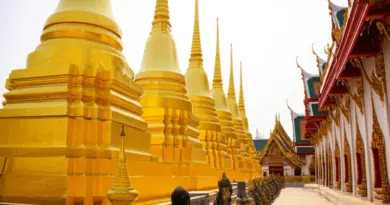
Visiting the sacred sites in Laos is a journey into the heart of Southeast Asian spirituality and history. From the shimmering gold of Pha That Luang in Vientiane to the ancient, serene atmosphere of Wat Xieng Thong in Luang Prabang, these locations are more than just tourist attractions; they are active places of worship and cultural identity. To ensure your visit is both enriching and respectful, understanding the local customs and practical logistics is essential. This guide provides comprehensive insights into planning your pilgrimage or cultural tour through the Land of a Million Elephants.
Optimal Timing for Your Visit
Timing is everything when exploring **sacred sites in Laos**. The country experiences two distinct seasons: the dry season (November to April) and the wet season (May to October). The cool dry season, specifically from November to February, is widely considered the best time to visit. During these months, the weather is pleasantly mild, making it comfortable to walk through vast temple complexes without the intense tropical heat.
Dress Code and Respectful Attire
Modesty is the cornerstone of etiquette at any religious landmark in Laos. Both men and women are expected to dress conservatively. This means shoulders and knees must be covered. For women, wearing a traditional Lao ‘Sinh’ (a wrap-around skirt) is highly appreciated and often available for rent at the entrance of major sites like Wat Phou.
- Shoulders: No tank tops, spaghetti straps, or sleeveless shirts.
- Legs: Long pants, capris, or skirts that fall below the knee.
- Footwear: You must remove your shoes before entering any temple building (Sim). Wear easy-to-slip-off sandals.
Deciding whether to hire a guide or explore independently depends on your interest in history. While many sites are beautiful to look at, their historical and spiritual significance is deep and complex. A local guide can explain the intricate murals depicting the Jataka tales (stories of the Buddha’s past lives) and the specific architectural styles that distinguish Luang Prabang temples from those in Vientiane.
| Feature | Independent Visit | Guided Tour |
|---|---|---|
| Cost | Lower / Entrance fee only | Higher / Guide fee + Tips |
| Flexibility | High – Move at your own pace | Structured – Fixed itinerary |
| Insight | Limited to signage | Deep cultural & historical context |
Photography Etiquette at Sacred Sites
Capturing the beauty of Lao architecture is a highlight for many, but photography must be done with sensitivity. Always look for signs indicating whether photos are allowed inside the main prayer halls. Even if allowed, never use flash as it can damage ancient pigments and disturb those in meditation.
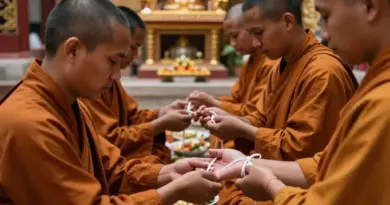
- Respect the Monks: If you wish to photograph monks, always ask for permission first and maintain a respectful distance.
- Buddha Statues: Never climb on or touch Buddha statues. Avoid pointing your feet toward a Buddha image or a person, as the feet are considered the lowest and least clean part of the body.
คำถามที่พบบ่อย (FAQ)
คำถามที่พบบ่อย (FAQ)
1. Do I need to pay an entrance fee for temples in Laos?
Yes, most major sacred sites like Pha That Luang, Wat Sisaket, and Wat Xieng Thong charge a small entrance fee, usually ranging from 10,000 to 30,000 Kips ($0.50 – $1.50 USD). This money goes toward the maintenance and restoration of the sites.
2. Can I participate in the Alms Giving Ceremony (Tak Bat)?
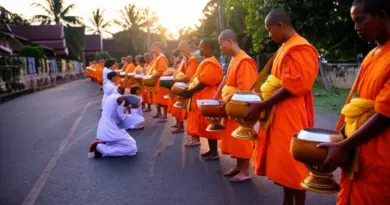
Yes, tourists can participate or observe, but it is vital to do so quietly. If participating, buy your sticky rice from the local market rather than street vendors at the site, dress very modestly, and keep your head lower than the monks as they pass.
3. Is it okay to visit temples during Buddhist holidays?
Absolutely. Visiting during festivals like Boun Pi Mai (Lao New Year) or Boun Khao Phansa is a vibrant experience. However, be prepared for large crowds and ensure your behavior is exceptionally respectful as these are the most sacred times for locals.
References
- Luang Prabang’s UNESCO World Heritage: A Complete Visitor’s Guide to Temples, Architecture, and Cultural Etiquette
- History and Significance: How Luang Prabang Earned UNESCO World Heritage Status and What It Means Today
- Top Temples and Architectural Highlights: Must-See Wats, Royal Palace, and Distinctive Lao-French Colonial Buildings