History and Significance: How Luang Prabang Earned UNESCO World Heritage Status and What It Means Today
Nestled at the confluence of the Mekong and Nam Khan rivers, Luang Prabang stands as a living testament to the spiritual and architectural soul of Laos. Once the royal capital of the Lane Xang Kingdom, this ancient town is far more than just a scenic stop for travelers; it is a protected sanctuary where time seems to move at the pace of the flowing river. For those interested in Laos Tourism, understanding the depth of this city’s heritage is key to appreciating its serene atmosphere and timeless charm.
The Path to UNESCO Recognition
The journey of Luang Prabang toward international recognition began with its unique ability to blend two distinct cultural traditions. UNESCO granted the status based on three specific criteria: its exceptional fusion of traditional Lao architecture with European colonial influences, its role as a religious center, and its well-preserved urban fabric. Unlike many modern cities that have replaced their history with concrete, Luang Prabang maintained its integrity through decades of political change.
Architectural Fusion and Spiritual Heritage
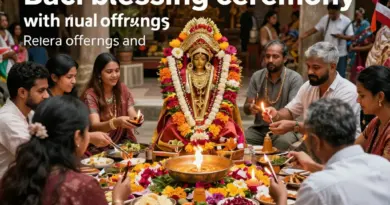
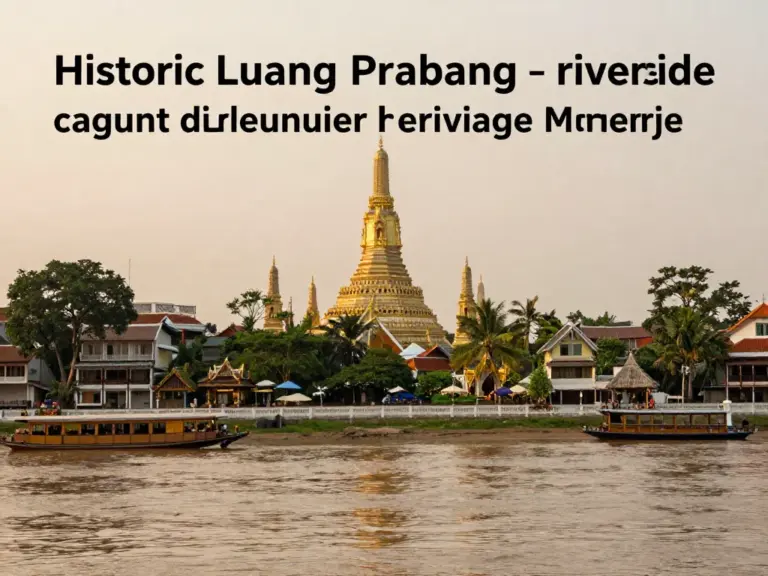
The town is famous for its ‘Luang Prabang Style’ temples, characterized by sweeping tiered roofs that almost touch the ground, such as the iconic Wat Xieng Thong. Alongside these golden pagodas stand elegant French colonial villas, built during the protectorate era. This juxtaposition creates a visual narrative of a city that has harmonized its indigenous roots with external influences without losing its identity. The spiritual pulse of the city is felt every morning during the Alms Giving Ceremony (Tak Bat), a tradition that has remained unchanged for centuries.
Key Historical Landmarks
- Wat Xieng Thong: The ‘Temple of the Golden City,’ a masterpiece of 16th-century Lao art.
- The Royal Palace Museum: A blend of French Beaux-Arts and traditional Lao design.
- Mount Phousi: The spiritual heart providing a panoramic view of the heritage zone.
What UNESCO Status Means Today
Today, being a World Heritage site means that Luang Prabang is subject to strict building regulations. This ensures that the ‘peaceful’ aesthetic of the town remains intact, preventing the construction of high-rise hotels or neon-lit commercial strips. For the local community, it has brought a surge in sustainable tourism, providing economic opportunities while fostering a sense of pride in their cultural preservation. For visitors, it offers a rare opportunity to step into a world that prioritizes mindfulness and history over rapid modernization.
คำถามที่พบบ่อย (FAQ)
Q1: Why is Luang Prabang so famous?
A: It is famous for being a perfectly preserved UNESCO World Heritage site that blends traditional Lao and French colonial architecture, alongside its deep-rooted Buddhist traditions.
Q2: When did Luang Prabang become a UNESCO site?
A: It was officially designated as a World Heritage site in 1995.
Q3: What is the best time to visit Luang Prabang?
A: The best time to visit is during the dry season from November to February when the weather is cool and pleasant for exploring.
References
- Luang Prabang’s UNESCO World Heritage: A Complete Visitor’s Guide to Temples, Architecture, and Cultural Etiquette
- Top Temples and Architectural Highlights: Must-See Wats, Royal Palace, and Distinctive Lao-French Colonial Buildings
- Visitor Planning and Practical Tips: Best Times to Visit, Guided Tours, Dress Code, and Photography Etiquette at Sacred Sites