Step-by-Step Guide to Participating Respectfully — Proper Behavior, Giving Etiquette, Photography Rules, and How to Interact with Monks
- Step-by-Step Guide to Participating Respectfully — Proper Behavior, Giving Etiquette, Photography Rules, and How to Interact with Monks
- Understanding the Spiritual Heart of Laos
- Proper Behavior in Temples and Sacred Sites
- The Sacred Act of Alms Giving (Tak Bat)
- Photography Rules: Capturing Moments Respectfully
- How to Interact with Monks
- General Etiquette Tips for Laos Tourism
- Visual Guide: Alms Giving Ceremony
- Conclusion
- คำถามที่พบบ่อย (FAQ)
Laos, often called the ‘Land of a Million Elephants,’ is a country steeped in rich Buddhist traditions and breathtaking natural beauty. For visitors, immersing oneself in the local culture is a highlight, but it comes with a responsibility: to engage with respect and understanding. This comprehensive guide is designed to help you master the art of participating respectfully Laos monks interactions and other cultural practices, ensuring your journey is both enriching for you and honorable to the local way of life. By understanding and adhering to local customs, especially concerning monks, you contribute positively to the preservation of Laos’ unique heritage.
Understanding the Spiritual Heart of Laos
Buddhism is not merely a religion in Laos; it is the bedrock of society, influencing daily life, art, and social norms. Monks, or ‘Bhikkhu,’ hold a revered position, serving as spiritual guides, educators, and custodians of tradition. Understanding their role is the first step towards participating respectfully Laos monks ceremonies and daily life.
The Role of Monks in Lao Society
Monks are central figures in Lao communities, especially in smaller towns and villages. They provide spiritual counsel, perform religious rites, and often run local schools or community centers. Many young men spend time as monks to gain an education and spiritual merit, a tradition that shapes their character and connection to their culture.
Basic Buddhist Principles for Visitors
While you don’t need to be a Buddhist to visit Laos, understanding a few core principles can enhance your experience. Concepts like compassion (Metta), mindfulness, and the accumulation of merit (Boon) are fundamental. These principles encourage peaceful coexistence and respect for all living things, which directly translates into how locals interact with each other and with visitors.
Proper Behavior in Temples and Sacred Sites
Temples (wats) are the spiritual heart of any Lao community. Approaching them with reverence is paramount. Your actions inside these sacred spaces reflect your respect for the local culture and its beliefs.
Dress Code and Demeanor
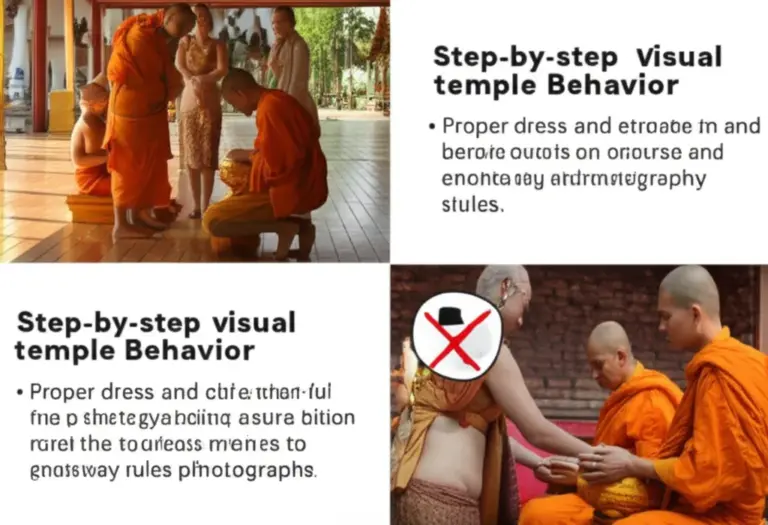
Always dress modestly when visiting temples. This means covering your shoulders and knees. Loose-fitting trousers or long skirts are ideal. Remove your shoes before entering any temple building (sim) or private home. Maintain a quiet and respectful demeanor; avoid loud conversations or boisterous laughter.
Entering and Exiting Temples
When entering a temple, step over the threshold, never on it. It’s considered disrespectful. Once inside, if you are sitting, try to sit with your feet tucked behind you or to the side, never pointing them towards the Buddha image or a monk. This is known as the ‘wai’ or ‘nop’ position, where your head is higher than your feet, signifying respect.
Body Language and Gestures
The head is considered the most sacred part of the body, and the feet the least. Never touch someone’s head, and avoid pointing your feet at people, Buddha images, or sacred objects. When passing a monk or an elder, it’s customary to lower your head slightly as a sign of deference.
The Sacred Act of Alms Giving (Tak Bat)
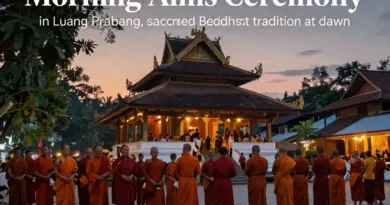
The morning alms giving ceremony (Tak Bat) in Luang Prabang is one of Laos’ most iconic and moving traditions. It is a profound act of spiritual devotion for locals and an incredible cultural experience for visitors. However, it’s crucial to participate with the utmost respect to preserve its sanctity.
What is Tak Bat?
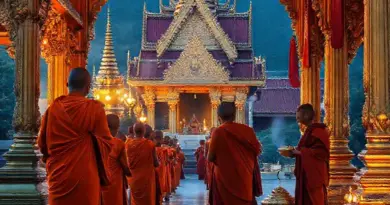
Every morning at dawn, hundreds of saffron-robed monks walk silently through the streets, collecting food offerings (mostly sticky rice) from devout locals. This act allows the community to gain merit and provides the monks with their daily sustenance.
Etiquette for Participants (Locals & Tourists)
If you choose to participate, do so respectfully. Purchase sticky rice from a reputable local vendor (not from hawkers who exploit tourists). Dress modestly. Women should sit or kneel and avoid any physical contact with the monks. Place the offerings gently into their alms bowls as they pass. Do not talk, make eye contact, or use flash photography.
What to Offer and How to Prepare
The traditional offering is sticky rice, often prepared fresh. You can also offer small fruits or traditional sweets. Arrive early, find a spot along the procession route, and observe first. If you are participating, it’s best to sit on a low stool or cushion provided by local vendors, ensuring you are lower than the monks.
Photography Rules: Capturing Moments Respectfully
Laos offers countless photogenic scenes, but capturing them requires sensitivity, especially when it involves people and religious ceremonies.
Asking for Permission
Always ask for permission before taking photos of individuals, especially monks or children. A simple gesture or a polite ‘Kor thot, toy-dai tai-roop bor?’ (Excuse me, may I take a picture?) goes a long way. Respect a ‘no’ with grace.
When to Avoid Photography
During religious ceremonies, particularly the alms giving, photography should be minimal and discreet. Avoid flash photography, which can be highly disruptive. Do not take photos during private moments of prayer or meditation. The goal is to observe, not to intrude.
General Guidelines
Use a zoom lens if you want close-up shots from a distance. Be mindful of your surroundings and avoid blocking pathways or obstructing views for others. Remember, your presence is a privilege, not a right.
How to Interact with Monks
Direct interaction with monks can be a deeply rewarding experience, offering insights into their way of life and Buddhist philosophy. However, it requires adherence to specific protocols.
Addressing Monks
When you encounter a monk, a polite ‘Sabaidee’ (hello) accompanied by a ‘nop’ (hands pressed together in a prayer-like gesture) is appropriate. If you wish to engage in conversation, ensure it’s at an appropriate time and place, and always maintain a respectful tone. Many younger monks are keen to practice their English.
Physical Contact and Personal Space
Women must never touch a monk or their robes. If a woman needs to pass something to a monk, she should place it down for him to pick up, or pass it via a male intermediary. Men should also avoid unnecessary physical contact. Maintain a respectful distance, especially in crowded areas.
Engaging in Conversation
Monks often participate in ‘monk chats,’ especially in Luang Prabang, where tourists can ask questions and learn about Buddhism. These are excellent opportunities for respectful interaction. Keep your questions thoughtful and avoid sensitive political or personal topics. Be prepared to sit on the floor, ideally lower than the monk, as a sign of respect.
General Etiquette Tips for Laos Tourism
Beyond interactions with monks, a few general etiquette rules will ensure a smoother and more enjoyable trip throughout Laos.
Head and Feet
As mentioned, the head is sacred, and the feet are the lowest and least clean part of the body. Never touch someone’s head, even playfully. Avoid pointing your feet at people, images of Buddha, or any revered object. When sitting on the floor, tuck your feet to the side.
Public Displays of Affection
Public displays of affection, such as kissing or excessive hugging, are generally frowned upon in Laos. While holding hands is acceptable for couples, it’s best to be discreet and respectful of local sensibilities.
Bargaining and Commerce
Bargaining is common in markets, but do so with a smile and good humor. Avoid aggressive haggling, and remember that a small amount of money saved for you can make a significant difference to a local vendor. Always be polite and respectful.
Visual Guide: Alms Giving Ceremony
To further your understanding of the Alms Giving Ceremony, watch this insightful video:
Conclusion
Your journey through Laos will undoubtedly be unforgettable. By taking the time to understand and practice proper behavior, giving etiquette, photography rules, and how to interact with monks, you not only show respect for a beautiful culture but also enrich your own travel experience. Embrace the calm, spiritual atmosphere, and you’ll find yourself genuinely connected to the heart of Laos. Your mindful presence makes a world of difference in participating respectfully Laos monks traditions and daily life.
คำถามที่พบบ่อย (FAQ)
No, women must never touch a monk or their robes. If an item needs to be passed, it should be placed down for the monk to pick up, or passed via a male intermediary. This rule is fundamental to Buddhist monastic discipline.
When visiting temples or sacred sites, both men and women should dress modestly. This means covering your shoulders and knees. Loose-fitting trousers, long skirts, or sarongs are ideal. You will also need to remove your shoes before entering temple buildings.
You can take photos during the alms giving, but it must be done with extreme discretion and respect. Maintain a significant distance, do not use flash, avoid blocking the monks’ path or the view for participants, and do not interrupt the ceremony. Many prefer to observe without a camera to fully appreciate the moment.
The most common and respectful greeting is the ‘nop’ (similar to the Thai ‘wai’). Press your palms together at chest level, with fingertips pointing upwards, and give a slight bow. Say ‘Sabaidee’ (hello). The higher your hands are placed (up to your nose), the greater the respect shown.
References
- Lonely Planet: How to respectfully participate in alms giving in Luang Prabang
- Responsible Travel: Laos cultural etiquette
- YouTube: Alms Giving Ceremony in Luang Prabang Laos – Tak Bat
- Morning Alms in Luang Prabang: How to Participate Respectfully
- Why Do Locals and Tourists Join the Luang Prabang Alms Ceremony? — Understanding Cultural Significance, Best Times to Watch, and Responsible Tourism Intent
- How to Prepare: What to Wear, What to Bring, and How to Time Your Visit for the Morning Alms in Luang Prabang