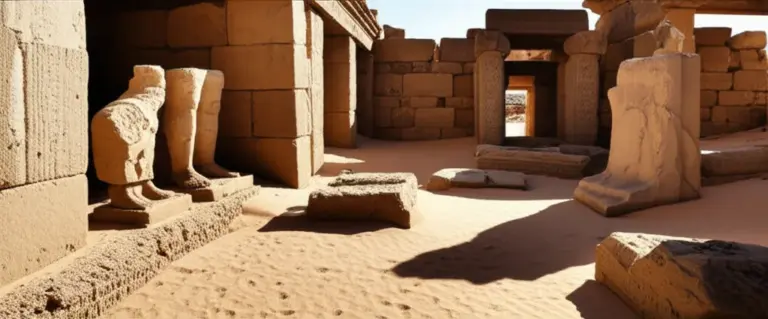
Exploring the Site: Key Temples, Sculptures, Inscriptions, and Photogenic Viewpoints Explained
- Exploring the Site: Key Temples, Sculptures, Inscriptions, and Photogenic Viewpoints Explained
Welcome to the heart of Southeast Asia, where the gentle flow of the Mekong meets centuries of rich history and spiritual devotion. For travelers embarking on a Laos Cultural Heritage Exploration, understanding the nuances of the ancient sites—from the gleaming temples to the subtle inscriptions—is key to a profound experience. This guide explains the essential elements you must seek out to fully appreciate the heritage of the former royal capital, often referred to simply as ‘The Site.’
The Spiritual Heart: Key Temples and Architectural Marvels
The temples (Wats) are the soul of this cultural landscape. They are not merely buildings but living centers of community, art, and history. A successful Laos Cultural Heritage Exploration begins by diving deep into their unique structures.
Wat Xieng Thong: The Golden City Temple
Considered the most magnificent of all Lao temples, Wat Xieng Thong is a masterpiece of classical Luang Prabang style. Built in 1560, it survived the destruction of 1887 largely intact. Pay special attention to the sweeping, multi-tiered roofline that almost touches the ground, a signature of Lao religious architecture. Inside the Sim (ordination hall), the intricate gold stenciling on the ceiling and walls narrates the life of the Buddha and the Jataka tales.
| Feature | Significance |
|---|---|
| The Sim Roof | Represents the protective wings of the mythical bird, Garuda. |
| The Tree of Life Mosaic | Located on the rear wall, this glass mosaic depicts a vibrant, stylized tree, symbolizing rebirth and the cycle of life. |
| Funeral Carriage House | Houses the impressive 12-meter-high royal funeral carriage. |
Wat Mai Suwannaphumaham: Royal Heritage
Located near the Royal Palace Museum, Wat Mai is famous for its stunning, five-tiered roof and its long bas-relief mural that wraps around the front veranda. This mural, covered in gold leaf, depicts scenes from the Vessantara Jataka, the story of the Buddha’s penultimate life. This temple once served as the residence for the highest Buddhist dignitary in Laos.
Artistic Legacy: Sculptures and Decorative Arts
Lao Buddhist sculptures possess a distinct elegance. Unlike the more robust styles found elsewhere, Lao Buddha images are characterized by slender proportions, long, delicate fingers, and a serene, contemplative expression. The most revered style is the ‘Calling for Rain’ posture, where the Buddha stands with arms held straight down at the sides, fingers pointing to the earth.
The Lao Standing Buddha
- Posture: Often standing, rarely seated or reclining.
- Halo: Flamed or pointed finial (ushnisha).
- Material: Predominantly bronze or gold-leafed wood.
Naga Motifs
The multi-headed Naga (serpent deity) is ubiquitous, guarding stairways and temple entrances. It symbolizes protection, fertility, and the connection between the earthly and spiritual realms. Look for the elaborate, carved wooden Nagas emerging from the eaves of the temple roofs.
Voices of the Past: Interpreting Inscriptions and Artifacts
The historical record of the site is preserved through various inscriptions, often written in ancient Tham or Lao scripts, sometimes mixed with Pali. These stelae and foundational plaques offer invaluable insight into the royal patronage of the temples, the dates of construction, and the social hierarchies of the time. While most are housed in protected areas or museums, understanding their significance enriches the historical context of your visit.
Capturing the Moment: Essential Photogenic Viewpoints
Beyond the history, the site offers breathtaking natural beauty, especially at the confluence of the Mekong and Nam Khan rivers. These viewpoints are crucial for capturing the atmosphere of your Laos Cultural Heritage Exploration.
- Mount Phou Si: The undisputed champion. A climb of 328 steps rewards you with a panoramic 360-degree view of the town, the rivers, and the surrounding mountains. Sunset here is legendary, offering golden light over the lush landscape.
- Mekong River Banks: Early morning or late afternoon walks along the river provide classic views of traditional wooden houses, fishing boats, and the tranquil life of the Lao people.
- Kuang Si Falls: While an hour outside the town, the turquoise pools and multi-tiered cascades of Kuang Si offer stunning natural photography opportunities, a perfect contrast to the architectural heritage.
To help visualize the spectacular beauty and cultural richness, watch this brief overview of the sites and sounds of this unique destination.
Planning Your Laos Cultural Heritage Exploration
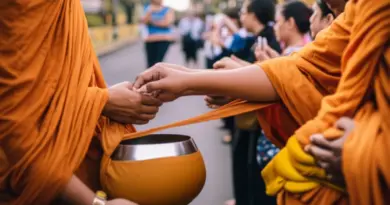
The site is highly walkable, especially the peninsula area. Respectful attire (shoulders and knees covered) is mandatory when entering all temples. Plan your days to include both the early morning alms giving (Tak Bat) and the sunset view from Phou Si for a complete spiritual and visual experience.
Location Overview
คำถามที่พบบ่อย (FAQ)
References
- UNESCO World Heritage Centre: Luang Prabang
- Lao Department of Tourism Official Site
- Studies in Southeast Asian Art History
- Wat Phu Champasak: The Complete Visitor’s Guide to Exploring the Ancient Khmer Temple Complex
- History and Significance of Wat Phu: Origins, Khmer Architecture, and UNESCO World Heritage Designation
- Planning Your Visit: Best Times to Go, How to Get There from Pakse, Entrance Fees, and Guided Tour Options