- What to expect in a Lao cooking class: typical syllabus, hands-on vs demonstration, ingredients, and menu examples
Embarking on a culinary journey through Laos is incomplete without diving into its vibrant, fresh, and surprisingly complex cuisine. For the modern traveler seeking authentic experiences, What to expect in a Lao cooking class is a question that unlocks the heart of Lao culture. These classes, often set in beautiful open-air kitchens, offer far more than just recipes; they provide deep insight into local traditions, market sourcing, and the balance of flavors that define Lao food. This comprehensive guide details everything you need to prepare for your gastronomic adventure in the Land of a Million Elephants.
The Appeal of Lao Cuisine for Tourists
Lao food is characterized by its reliance on fresh herbs, fermented fish sauce (padaek), sticky rice (khao niao), and a delicate balance between sour, salty, and spicy. Unlike its neighbors, Lao cuisine often favors subtle infusions over overpowering heat. Understanding What to expect in a Lao cooking class begins with appreciating this unique flavor profile.
Market Visits: The First Course
Many reputable Lao cooking schools, particularly those in Luang Prabang or Vientiane, begin the day with an immersive trip to a local morning market. This hands-on experience is crucial for several reasons:
- Ingredient Identification: You will learn to distinguish between local greens, exotic mushrooms, and the different varieties of chili and lemongrass.
- Understanding Padaek: You’ll witness the pungent, essential fermented fish sauce—the backbone of many Lao dishes—and learn how it’s used responsibly.
- Cultural Exchange: It offers a genuine glimpse into daily Lao life, interacting with vendors and seeing fresh produce unique to the region.
Typical Syllabus: From Market to Table
While every school offers a slightly different curriculum, the core structure of What to expect in a Lao cooking class generally follows a logical progression designed to build foundational skills.
Module Breakdown
- Introduction to Lao Flavors: A brief overview of the essential flavor components (sour, salty, spicy, sweet) and the role of sticky rice.
- Pestle & Mortar Mastery (Krok): Dedicated time to learning the technique for making Lao chili pastes (jeow) and green papaya salad (tam mak hoong).
- The Main Course: Preparation of 2-3 staple dishes, often focusing on fresh herbs and grilling/simmering techniques.
- Sticky Rice Preparation: Learning the traditional method of soaking and steaming khao niao to achieve the perfect texture.
- Tasting & Review: Enjoying the meal you prepared, often accompanied by local beverages or herbal teas.
Menu Examples You Are Likely to Prepare
The menu selection is designed to showcase diversity. Here are classic dishes frequently featured:
| Dish Name | Description | Key Technique |
|---|---|---|
| Tam Mak Hoong (Lao Papaya Salad) | Tangy, spicy salad featuring green papaya, lime, and padaek. | Pounding in the mortar |
| Mok Pa (Steamed Fish in Banana Leaf) | Fish marinated with lemongrass, galangal, and herbs, steamed for tenderness. | Wrapping and steaming |
| Larb Gai/Moo (Minced Meat Salad) | The national dish; savory, sour, and seasoned heavily with toasted ground rice. | Toasting rice powder |
Hands-On vs. Demonstration: Which Format is Best?
When considering What to expect in a Lao cooking class, the format matters significantly. Most high-quality tourism experiences balance active participation with expert guidance.
The Value of Hands-On Cooking
The Role of Demonstration
Demonstration is usually reserved for complex or time-consuming steps, such as deep-frying techniques or preparing the padaek base, ensuring safety and efficiency. A good instructor will demonstrate key techniques clearly before allowing students to try them themselves.
Essential Ingredients Spotlight
You must familiarize yourself with these staples before attending, as they are non-negotiable in authentic Lao cooking:
- Khao Niao (Sticky Rice): The primary carbohydrate.
- Padaek: Fermented fish sauce (the umami bomb).
- Mak Khoot (Galangal) & Siao (Lemongrass): Aromatic foundations.
- Makhampom (Tamarind): The primary source of sourness.
- Fresh Chilies & Herbs: Mint, coriander, and saw-tooth coriander are abundant.
Setting the Scene: Location and Atmosphere
Most tourist-focused cooking classes operate in scenic locations. In Luang Prabang, expect serene settings, sometimes overlooking the Mekong River or tucked away in lush gardens. This peaceful environment enhances the learning experience, moving beyond the intensity of a commercial kitchen.
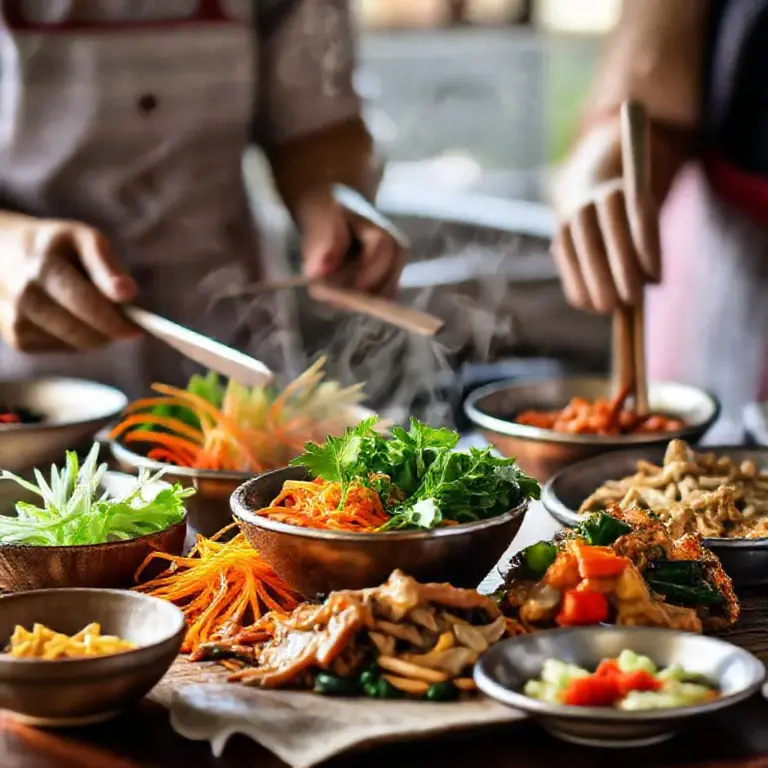
A visual taste of the vibrant market and cooking experience in Luang Prabang.
Logistics and Pre-Class Preparation
To maximize your enjoyment, a little preparation goes a long way. Knowing the logistics helps you focus entirely on the culinary aspect of What to expect in a Lao cooking class.
What to Bring and Wear
- Comfortable, modest clothing (shoulders and knees covered are often preferred, especially if visiting a temple beforehand).
- Sunscreen and a hat for the market trip.
- A reusable water bottle (many schools provide purified water refills).
- An empty stomach!
Dietary Restrictions and Customization
Lao cuisine, by nature, relies heavily on fish/shrimp products (padaek). If you have severe allergies or strict vegetarian/vegan requirements, you must inform the school well in advance. Many schools can substitute padaek with soy sauce or mushroom sauce, but this requires prior arrangement to ensure ingredient availability.
คำถามที่พบบ่อย (FAQ)
Here are common questions travelers have about participating in Lao culinary workshops.
References
Attending a Lao cooking class is one of the most rewarding ways to connect with the local culture while you travel. By understanding the syllabus and embracing the hands-on nature of the experience, you will leave Laos not just with souvenirs, but with the invaluable skill of recreating Southeast Asia’s hidden culinary gem.
- Cooking Classes in Laos: The Ultimate Guide to the Best Schools and How to Choose One in Luang Prabang and Vientiane
- Top cooking schools in Luang Prabang and Vientiane: rankings, specialties, prices, and student reviews
- How to choose the right cooking class in Laos: skill level, dietary needs, class size, duration, and booking tips