Top cooking schools in Luang Prabang and Vientiane: rankings, specialties, prices, and student reviews
- Top cooking schools in Luang Prabang and Vientiane: rankings, specialties, prices, and student reviews
Embarking on a culinary journey through Laos inevitably leads travelers to seek authentic tastes. The best way to capture the essence of Lao culture is through its vibrant, fresh cuisine. This comprehensive guide details the Top cooking schools in Luang Prabang and Vientiane, offering a detailed breakdown of rankings, unique specialties, typical price points, and invaluable student reviews. Whether you are a novice cook or an experienced epicurean, finding the perfect Lao cooking class is essential for a memorable trip.
Why Choose a Cooking Class in Laos?
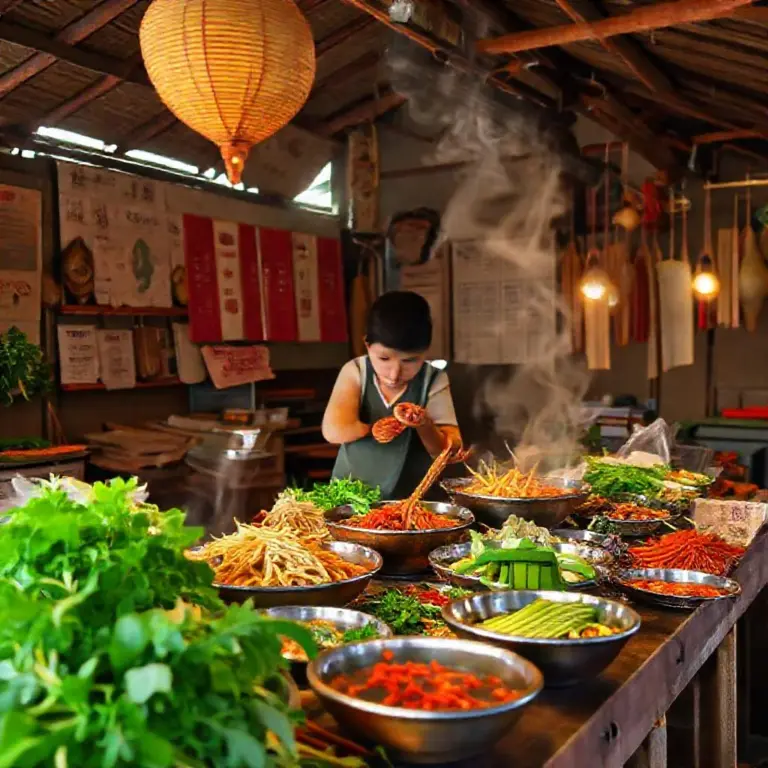
Lao cuisine is characterized by its reliance on fresh herbs, sticky rice (khao niao), and the ubiquitous chili-lime dipping sauce, jeow. Unlike its neighbors, Lao food often emphasizes balance and less coconut milk, focusing instead on smoky, sour, and savory notes. Taking a class provides unparalleled insight into sourcing local ingredients at morning markets and mastering techniques for staples like Laap (minced meat salad) and Or Lam (stew). It’s an immersive cultural experience far beyond standard sightseeing.
Luang Prabang: The Culinary Heart of the North
Luang Prabang, a UNESCO World Heritage city, is arguably the epicenter for culinary tourism in Laos. Classes here often incorporate market visits before heading to serene kitchens, frequently set in beautiful garden surroundings. Here are the leading contenders for the Top cooking schools in Luang Prabang and Vientiane region.
1. Tamarind Cooking School (Luang Prabang)
Tamarind is often cited as the gold standard. Run by celebrated chef Joy Ngeuamboupha, their approach is highly professional and deeply rooted in tradition. Their reputation for expertise and authority in Lao cooking is unmatched.
| Specialty | Typical Price Range (USD) | Review Highlight |
|---|---|---|
| Market-to-Table Focus, Authentic Laap | $35 – $45 | Exceptional instruction quality and ingredient sourcing. |
2. Taste of Laos Cooking School (Luang Prabang)
Known for its charming, relaxed atmosphere, Taste of Laos often utilizes traditional Lao kitchens, offering a very hands-on experience. They focus heavily on teaching the underlying principles of Lao flavor profiles.
Vientiane: The Capital’s Culinary Scene
Vientiane offers a slightly more contemporary take on Lao cooking, often integrating elements from neighboring Thai and Vietnamese cuisine, reflecting its capital status. While fewer options exist compared to Luang Prabang, the quality remains high, offering great value.
3. Vientiane Lao Cooking Class (Vientiane)
This school excels in catering to smaller groups, ensuring personalized attention. Their specialty often lies in preparing elegant Lao appetizers and soups, perfect for travelers wanting refined techniques. Student reviews frequently praise the friendly instructors.
4. Local Experience Classes (Various Vientiane Providers)
For those seeking the most authentic, no-frills experience, look for classes advertised directly through local guesthouses or specialized tour operators. These often involve cooking in a local family home, providing unparalleled cultural exposure, though standardization of price and schedule can vary.
E-E-A-T Tip: Verification
When booking, always verify the school’s current location and operating hours via their official website or a trusted booking platform to ensure trustworthiness and authority.
Comparison of Specialties and Price Points
To help you decide among the Top cooking schools in Luang Prabang and Vientiane, consider what you prioritize learning. Luang Prabang schools lean into traditional Luang Prabang specialties, while Vientiane offers broader urban Lao influences.
Key Dishes Taught Across Schools:
- Laap/Larb: The national dish; mastering the balance of herbs, lime, and toasted rice powder.
- Or Lam: A hearty, smoky stew often featuring buffalo skin or beef and the unique, slightly numbing sakhan wood spice.
- Mok Pa: Fish steamed in banana leaves with lemongrass and herbs.
- Khao Piak Sen: Thick, chewy rice noodles often served in a savory chicken broth.
Average Cost Considerations
Prices are generally inclusive of ingredients, instruction, the meal itself, and sometimes transportation. Expect to pay between $25 USD for a very basic, non-market-visit class, up to $50 USD for the premier, highly-rated schools like Tamarind that include extensive market tours and high-level instruction.
Student Reviews and Credibility Assessment
Student feedback is vital for assessing the real-world experience. Look for consistency in reviews regarding instructor knowledge (Expertise) and the overall organization (Trustworthiness).
- Positive Themes: Market visits are consistently rated highly for providing cultural context. Instructors who speak clearly about the history of the dishes receive praise.
- Areas for Improvement: Some budget classes are criticized for focusing too heavily on simple recipes that don’t require true culinary skill. Always check if the class offers vegetarian/vegan options in advance.
Immersive Culinary Experiences: Beyond the Classroom
For a truly deep dive, consider experiences that incorporate local life. This might involve visiting a local farm or learning how to prepare sticky rice in a traditional manner. For visual context on the beauty surrounding these classes, check out this video showcasing Lao life and food preparation:
If you are planning your itinerary, understanding the geography helps. Luang Prabang sits on the Mekong, known for its tranquility, while Vientiane is a bustling riverside capital. Here is a reference point for the general location of the northern culinary hub:
คำถามที่พบบ่อย (FAQ)
Is Lao food very spicy?
Lao food relies heavily on fresh chilies, but the spice level is highly customizable. Most cooking classes allow you to control the heat of your own dishes, usually serving accompaniments like fresh bird’s eye chilies on the side.
Do I need to book the top cooking schools in advance?
Yes, especially for highly-rated schools like Tamarind in Luang Prabang. They often sell out days or even a week ahead, particularly during peak tourist season. Advanced booking is recommended for a guaranteed spot.
Are cooking classes suitable for children?
Most schools welcome children, but confirm age restrictions beforehand. Classes that involve market tours might be less engaging for very young children, but hands-on cooking is generally fun for all ages.
What is the main difference between Luang Prabang and Vientiane classes?
Luang Prabang classes often focus on the specific, traditional cuisine of the northern region (more herbs, specific stews). Vientiane classes might offer a broader interpretation, reflecting the diverse culinary influences found in the capital city.
References
- Official Website for Tamarind Restaurant & Cooking School
- Lonely Planet Guide to Lao Cooking Classes
- Cooking Classes in Laos: The Ultimate Guide to the Best Schools and How to Choose One in Luang Prabang and Vientiane
- What to expect in a Lao cooking class: typical syllabus, hands-on vs demonstration, ingredients, and menu examples
- How to choose the right cooking class in Laos: skill level, dietary needs, class size, duration, and booking tips