The Enigmatic Plain of Jars: What to Know Before You Visit This Mysterious Site
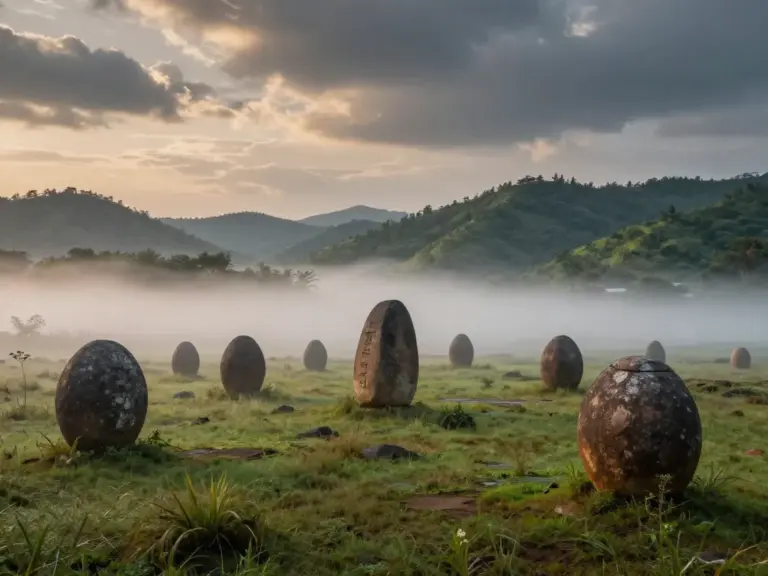
The Plain of Jars is perhaps one of the most intriguing archaeological mysteries in Southeast Asia. Located in the Xieng Khouang Plateau of northern Laos, this megalithic landscape consists of thousands of stone jars scattered across the valleys. For travelers seeking a blend of ancient history, myth, and a touch of the unknown, this UNESCO World Heritage site is an essential addition to any Laos itinerary.
Understanding the Mystery of the Plain of Jars
The origin of the Plain of Jars dates back to the Iron Age (500 BC to 500 AD). These stone vessels, ranging from one to three meters in height and weighing up to several tons, were carved primarily from sedimentary rock. But why were they made? Local legends suggest they were created by a race of giants to brew rice wine for a great victory celebration. However, archaeologists believe the jars were part of complex prehistoric burial practices, used as funerary urns or for the initial decomposition of bodies before secondary burial.
Top Sites to Visit in Xieng Khouang
While there are dozens of jar locations, three main sites are most popular for tourists due to their accessibility and the density of jars.
- Site 1 (Thong Hai Hin): The most visited site, located closest to Phonsavan. It features the largest jar, known as ‘Hai Cheuang,’ and a limestone cave that may have served as a crematorium.
- Site 2 (Hai Hin Phu Salato): Situated on two hills, this site offers beautiful views of the surrounding countryside and features jars nestled under lush trees.
- Site 3 (Hai Hin Lat Khai): A more scenic and quiet location accessible via a short hike through rice paddies and a local village.
| Site | Distance from Phonsavan | Highlight |
|---|---|---|
| Site 1 | 8 km | Largest Jar & Cave |
| Site 2 | 15 km | Hilltop views |
| Site 3 | 20 km | Scenic village walk |
Essential Safety: The UXO Factor
When visiting the Plain of Jars, safety is paramount. Xieng Khouang was heavily bombed during the Vietnam War era. While the main tourist paths at Sites 1, 2, and 3 have been cleared of unexploded ordnance (UXO), it is vital to stay within the marked areas. Look for the MAG (Mines Advisory Group) markers: white markers indicate cleared zones, while red markers indicate areas that are still dangerous. Visiting the MAG Information Center in Phonsavan is highly recommended to understand the impact of this history on the local community.
Best Time to Visit and Logistics
The best time to explore the Plain of Jars is during the dry season, from November to February, when temperatures are cool and the skies are clear. To get here, you can fly from Vientiane to Phonsavan or take a long-distance bus from Luang Prabang or Vang Vieng. Hiring a local guide is the best way to gain deep insights into the archaeological theories and local folklore that make this site so special.
คำถามที่พบบ่อย (FAQ)
What is the Plain of Jars?
The Plain of Jars is a megalithic archaeological landscape in Laos featuring thousands of stone jars from the Iron Age, believed to be used in ancient burial rituals.
Is it safe to visit the Plain of Jars?
Yes, provided you stay on the marked paths at the designated tourist sites. These areas have been cleared of unexploded ordnance (UXO) by organizations like MAG.
How do I get to the Plain of Jars?
The main gateway is the town of Phonsavan. You can reach Phonsavan by domestic flight from Vientiane or by bus/minivan from Luang Prabang or Vang Vieng.
Do I need a guide to visit the sites?
While you can visit Site 1 independently, hiring a guide is highly recommended for Sites 2 and 3 to navigate the locations safely and learn about the historical context.